A practical guide comparing cloud-managed security cameras to traditional NVR/DVR systems. Learn why businesses are migrating to cloud and when on-premise still makes sense.

Self guided apartment tours can make apartment hunting more flexible, but they still require careful preparation and a close look at the property.
Self guided apartment tours let prospective renters view a home without a leasing agent physically accompanying them. The property usually provides a scheduled entry method, along with instructions for entering and leaving the space. You can move at your own pace, but you are also responsible for noticing details that an agent might otherwise point out. The experience is simple in concept, though each property handles the process a little differently.
Most tours begin with an online booking. You select an available time, provide contact information, and may be asked to verify your identity before receiving access instructions. When you arrive, follow the property’s check-in steps carefully, since a code or digital credential may work only during the reserved window. Some communities also ask visitors to confirm their arrival through an app or text message.
The process is designed to keep a record of who enters and when, while giving you independence inside the apartment. Read the instructions before you leave home rather than trying to sort them out in the parking lot.
Access may involve a mobile app, a temporary keypad code, a lockbox, or a smart lock. An app may provide directions and tour details, while a code may simply open a designated door for a limited period. In every case, check whether your phone needs cellular service, Bluetooth, location access, or a charged battery.
The access method can also tell you something about the property’s operating process. A well-explained system should identify the correct entrance, explain what to do after the tour, and provide a way to get help if the credential fails. For a broader look at the format, Tour24 describes self-guided apartment tours that combine independent access with an interactive in-person experience.
You may be touring a model apartment, a vacant unit, or the specific apartment available for lease. That distinction matters: finishes, views, appliances, and even layouts can differ between a model and the home you will actually rent. Ask which unit you are viewing and whether the furniture or décor is part of the rental.
You will usually have time to walk through the living areas, bedrooms, bathrooms, kitchen, closets, and sometimes shared amenities. Treat the visit as an inspection, not just a quick impression. Take notes while details are fresh, and avoid assuming that an attractive model reflects every available unit.
Properties set their own rules for age limits, guest access, pets, photography, tour length, and after-hours appointments. Some allow one visitor at a time, while others require every adult in the party to register. Cancellation rules may also differ, especially when access credentials are issued automatically.
Before booking, read the terms and ask about anything that could affect your visit. A short confirmation can prevent an awkward arrival and clarify whether you can bring a partner, roommate, or contractor to help evaluate the apartment.
The appeal of self guided apartment tours is mostly practical. They can fit around work, childcare, travel, and other commitments without requiring a shared appointment with a leasing professional. They also give renters room to form an initial opinion privately. Still, convenience should not replace questions, comparison, or a second look when the decision is significant.
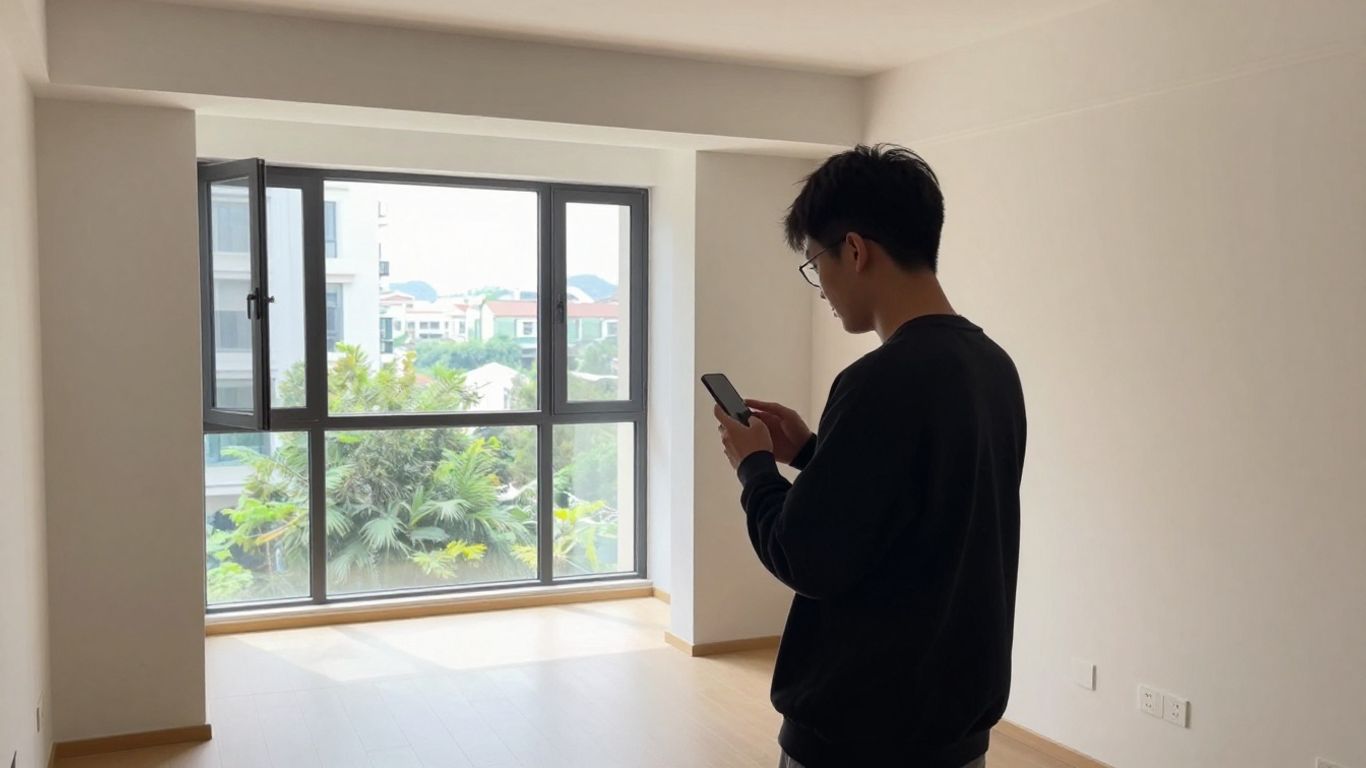
A self guided appointment may be easier to arrange early in the morning, during a lunch break, or after the leasing office closes. That flexibility is useful when you are comparing apartments across different neighborhoods or moving from another city. It can also reduce the delay between finding a listing and seeing the space in person.
The best time is not necessarily the first available time, though. If noise and daylight matter to you, choose a slot that helps you judge those conditions rather than treating the tour as a box to check.
Some renters prefer to look around without answering questions while they measure a room, test a faucet, or discuss concerns with a partner. Independent touring can create a calmer first impression and leave room for honest reactions. You can still contact the leasing team afterward with specific questions.
That privacy comes with a tradeoff: nobody is present to explain a fee, point out an amenity, or answer a question immediately. Write down uncertainties instead of filling the gaps with assumptions.
When appointments are easier to schedule, you may be able to compare several properties within a short period. That makes it easier to notice differences in storage, sound levels, finishes, parking, and building upkeep. A consistent note-taking method will make those comparisons more useful than memory alone.
For each tour, record the same basic categories: monthly cost, layout, condition, location, and one concern. The small discipline helps prevent the most recently viewed apartment from seeming best simply because it is freshest in your mind.
A guided visit can be preferable when the property has complicated access, when you need detailed answers, or when the available unit differs substantially from the model. It may also be a better choice if you have mobility requirements, need to inspect shared facilities closely, or are unfamiliar with the neighborhood.
A hybrid approach can work well: tour independently first, then request a conversation with the leasing team. The goal is not to choose one format permanently, but to use the format that gives you enough information to make a sound decision.
Preparation keeps a short appointment from becoming a rushed one. Before you arrive, gather the information you need to compare the apartment with other options and confirm that the appointment is actually active. A few minutes of planning can also help you spot missing details while you are there. Think of the visit as one step in a decision process, not the decision itself.
You may need a government-issued ID, a phone number, an email address, and basic information about your intended move-in date. Some properties request information for identity verification before issuing access. That does not mean you should send sensitive financial documents through an unverified link.
Have your budget, preferred lease term, household size, pet details, and parking needs available. If you are applying soon, ask which documents are required and where they should be submitted through an official channel.
A short message before the tour can resolve practical uncertainties and help you use your time well. Ask whether the unit shown is the exact unit available, whether utilities are included, and whether the advertised price reflects concessions or special conditions.
Useful questions include:
These answers give you a better basis for evaluating the apartment, especially when listing language leaves out recurring costs. Keep the response so you can compare it with the lease later.
Confirm the date, time, address, unit number if provided, and the exact entrance to use. Check your email and text messages for updates, since access instructions may arrive separately from the booking confirmation. If you have not received the required code or credential, contact the property before traveling.
Also verify that the listing is still active. Availability can change quickly, and a tour may be converted to a different unit or canceled after a lease is signed. Clear confirmation is part of the property’s service, not an unnecessary extra.
Bring a charged phone, a small flashlight, comfortable shoes, and a tape measure if room dimensions matter. A simple notes app or paper checklist is useful, and headphones can help you listen for building noise during quiet moments. If another decision-maker is involved, arrange a call or shared notes so they can participate.
Avoid bringing valuables you do not need. The lighter your bag, the easier it is to open cabinets, test doors, and move through the space without distraction.
A polished apartment can still have practical shortcomings, so slow down enough to inspect rather than glance. Look at the condition of surfaces, the operation of fixtures, the amount of usable storage, and the way sound and light move through the unit. Shared spaces matter too, because they shape the experience after move-in. Small details can affect daily comfort more than a staged living room does.
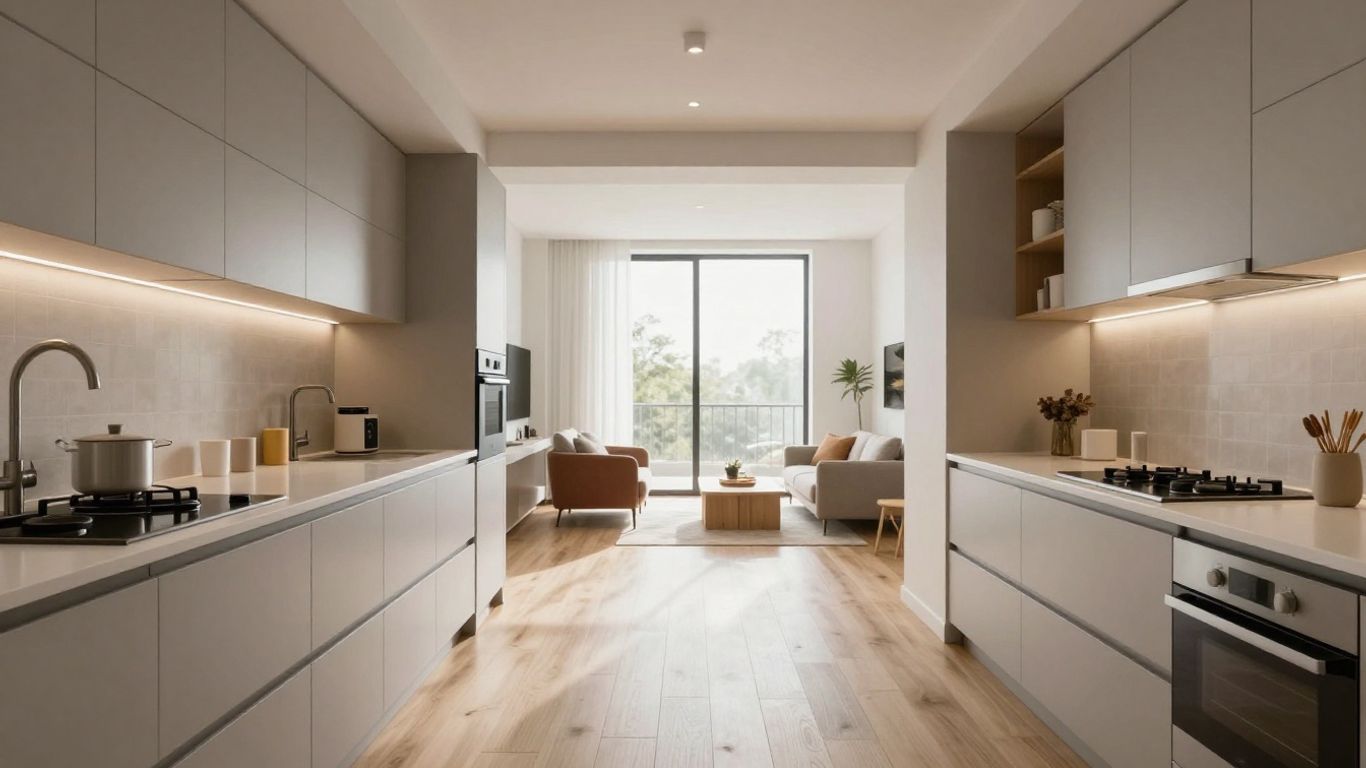
Walk the rooms as you would during a normal day. Check whether furniture can fit without blocking doors, whether outlets are placed conveniently, and whether closets have usable shelves or only a hanging rod. Stand in the kitchen and bathroom to see whether the work areas feel comfortable rather than relying on listed square footage.
Open closets, cabinets, and drawers if permitted. Notice awkward corners, narrow hallways, low ceilings, and any difference between the floor plan and the physical space. These are difficult to judge from photos.
Turn on faucets, flush toilets, open windows, and check that doors and drawers operate smoothly. Look beneath sinks for moisture, around windows for damaged seals, and along walls for stains or patching. You do not need to treat a minor mark as a crisis, but you should record it and ask how repairs are handled before move-in.
Check the age and condition of major appliances, including the refrigerator, range, dishwasher, washer, and dryer if they are included. Photographing permitted details can help you remember what was present and support a move-in condition report later.
Visit each room at different points during the appointment and listen for elevators, traffic, neighbors, mechanical equipment, or hallway activity. Open a window briefly if allowed, and notice whether air feels stale or whether the unit has effective ventilation. If daylight is a major priority, a single evening tour will not answer every question.
Ask whether the apartment faces a busy road, courtyard, loading area, or shared recreation space. You can also return to the neighborhood at another time of day to test your first impression.
Inspect the lobby, hallways, elevators, laundry area, fitness room, pool, courtyard, and other spaces included in the tour. Look for cleanliness, lighting, maintenance, and whether the amenities appear usable rather than merely attractive in marketing photos. Check how far the apartment is from the trash area, mailroom, and elevator.
Ask which amenities carry separate fees or restricted hours. A feature only matters if it is available when you need it and priced in a way that fits your budget.
Confirm where residents, guests, bicycles, and deliveries are expected to go. Look for lighting around entrances and parking areas, controlled access points, cameras where disclosed, and clear package procedures. Security should be evaluated as part of the whole property’s operation, not inferred from a keypad alone.
For property operators reviewing access and security practices, Harris Technology Services works across physical security, IT, network infrastructure, and managed technology. That broader perspective is relevant when building access, visitor handling, and technology operations need to function together, although renters should still ask the property directly how its systems work.
The first emotional reaction to an apartment is useful, but it is not a complete evaluation. Once you leave, translate impressions into costs, conditions, and practical tradeoffs. Give yourself a little time before applying if the property allows it. A written comparison makes the decision clearer when several apartments begin to blur together.
Start with advertised rent, then add recurring charges such as utilities, parking, storage, pet rent, amenity fees, trash, and technology fees. Separate monthly charges from one-time application, administration, deposit, and move-in costs. Ask whether any concession expires or depends on a particular lease term.
A simple cost table can expose differences that the headline rent hides:
| Cost category | Apartment A | Apartment B | Question to confirm |
|---|---|---|---|
| Base monthly rent | $— | $— | Is the rate fixed for the full term? |
| Required monthly fees | $— | $— | Which fees can change? |
| Utilities and services | $— | $— | What is billed separately? |
| Parking or storage | $— | $— | Is the space assigned or optional? |
| Move-in charges | $— | $— | Which amounts are refundable? |
After filling in the figures, compare the total rather than focusing on one attractive number. If the property cannot explain a charge clearly, treat that uncertainty as part of the evaluation.
Read the lease before paying a nonrefundable fee whenever possible. Look for renewal terms, notice periods, early termination rules, renter’s insurance requirements, maintenance responsibilities, guest policies, and restrictions on alterations. Confirm that the lease describes the same unit, rent, concessions, and included appliances you saw during the tour.
Application requirements deserve the same attention. Ask about income standards, screening criteria, guarantors, deposits, and refund policies. A friendly tour does not replace a written understanding of the contract.
Walk or drive around the property after the tour and consider the routes you would actually use. Check travel time during your normal commute, access to groceries and healthcare, street lighting, parking conditions, and nearby noise sources. If you work from home, test mobile service or ask about available internet providers.
A neighborhood can feel different on a weekday morning, at night, or during a busy weekend. One visit is a snapshot, so use additional visits or reliable local information when the surroundings are central to your choice.
Write your notes immediately, even if they are brief. Record what you liked, what concerned you, what needs confirmation, and how the apartment compares with your current home. Use the same categories for every property so that a charming feature does not overshadow a serious drawback.
Photos, when permitted, can support your notes, but they should not replace written observations. Include the unit number, tour date, and any promises made by the leasing team so you can follow up accurately.
A second visit makes sense when the apartment is a serious contender but important questions remain. Return at a different time to assess light, traffic, noise, or parking, and ask to see the exact unit if the first tour featured a model. Bring the person who will share the home or make the final decision.
You may also want a second visit after receiving the lease or a revised cost estimate. The extra appointment is worthwhile when it prevents an expensive misunderstanding.
Independent access should feel convenient, but it should also be handled carefully. Verify that the listing and communication are genuine before sharing personal information or entering a property. During the visit, stay aware of your surroundings and leave if something feels wrong. Property operators should provide clear access controls and a reliable contact path, while renters should use that path when instructions fail.
Compare the listing with the property’s official website, address, phone number, and leasing office details. Be cautious if someone pressures you to pay before a tour, asks for unusual payment methods, or refuses to provide a written appointment confirmation. Search results and social profiles can be copied, so use contact information you verify independently.
A legitimate process should explain who is offering the tour, where to meet or enter, and how your information will be used. When in doubt, call the property through a publicly listed number rather than replying only to an unexpected message.
Tell a trusted person where you are going, when you expect to finish, and how they can reach you. Keep your phone charged, park in a visible area, and avoid entering a building or unit if the surroundings do not match the instructions. During an evening visit, consider bringing someone or choosing a guided appointment instead.
Stay aware while moving through the property. You can leave immediately if a door is unsecured, another person’s behavior concerns you, or the tour conditions differ materially from what was promised.
Share only the information needed to schedule or verify the tour. Do not upload bank statements, Social Security information, or identity documents to a link you have not confirmed as official. Use the property’s established application portal and check that the address is correct before submitting anything.
A tour should not require an immediate wire transfer or cash payment to unlock a door. If a request feels rushed or inconsistent, pause and verify it with the leasing office.
First, confirm that you are at the correct entrance and that the appointment time has begun. Check your phone’s connection, app permissions, battery, and the exact code or credential provided. Do not force a lock, follow another person into a controlled area, or improvise a way inside.
If the issue continues, use the support number or message included in the confirmation. Take a screenshot of the error and note the time, then leave if you cannot reach anyone promptly.
Contact the property when the unit differs from the listing, a safety issue is visible, a repair appears necessary, or a fee is unclear. A manager should also hear about access problems, missing instructions, damaged doors, or privacy concerns. For organizations managing multiple properties, Harris Technology Services provides nationwide support across physical security, IT, network infrastructure, and managed technology, with solutions that may be cloud-managed or on-premise depending on operational needs.
For a renter, the practical lesson is simple: ask for a written answer and keep it with your tour notes. For a property team, consistent procedures and clear escalation paths make self-guided access easier to trust. Harris Technology Services approaches technology environments through assessment, integration, and ongoing management rather than treating each system as an isolated piece.
Self guided apartment tours offer a useful way to see more homes on your schedule, but the best experience combines convenience with careful observation. Confirm the access process, inspect the apartment and community, calculate the full cost, and protect your personal information. When a question remains unresolved, a second visit or guided conversation is usually the sensible next step.
It is a property viewing that allows a prospective renter to enter and explore an apartment without a leasing agent accompanying them in person. Access is typically arranged for a specific time through a code, app, lockbox, or smart lock.
Many properties request identification or basic contact information before issuing access. Requirements vary, so confirm what is needed and submit sensitive documents only through a verified property channel.
The appointment length depends on the property and the type of tour. Allow enough time to inspect the apartment, shared spaces, parking, and nearby surroundings rather than rushing through the unit.
Some properties allow guests, while others require every visitor to register in advance. Ask about the guest policy before arriving, especially if a roommate or family member will help make the decision.
Inspect layout, storage, appliances, fixtures, windows, ventilation, noise, lighting, shared spaces, parking, security, and package delivery. Also confirm which features belong to the specific unit rather than a model apartment.
They can be, provided the listing is legitimate and you use sensible precautions. Tell someone where you are going, verify the property independently, keep your phone charged, and leave if the conditions feel unsafe or do not match the appointment.
A second visit is worthwhile when the apartment is a serious option but you still need to check noise, light, traffic, the exact unit, or lease details. Visiting at another time of day can reveal conditions that a first appointment misses.
Connect with us to explore our scalable solutions tailored to your unique needs and receive a personalized free quote.