A practical guide comparing cloud-managed security cameras to traditional NVR/DVR systems. Learn why businesses are migrating to cloud and when on-premise still makes sense.

A lockdown door system is only one part of an emergency plan. The right choice depends on the building, its occupants, existing hardware, and applicable safety requirements.
Lockdown doors are intended to help restrict entry through selected doors during a security emergency. Their operation can range from a person securing a door locally to authorized staff initiating a coordinated response. The system should fit the building’s emergency procedures, not replace them.
A standard lock typically controls access during everyday use, while a lockdown arrangement is selected and practiced for a particular emergency condition. Depending on the hardware, lockdown may involve a different way to secure a door, a coordinated control, or a procedure for staff to follow. The essential distinction is that the emergency use and the means of release have been planned in advance.
A locked door alone does not establish that people inside can exit safely or that responders can gain access when needed. Those questions depend on the door, its hardware, the building’s layout, and local requirements. A sound plan considers both sides of the door: keeping unauthorized entry difficult while preserving safe movement and authorized access.
The sequence depends on the system. In a manual approach, an authorized person operates hardware at the door; in a managed setup, an authorized user may initiate a broader response through a control interface. Whatever the method, staff need to know what the signal means, which doors are affected, and what steps follow.
An organization considering a coordinated approach can review how integrated access control may fit within a broader lockdown system. That kind of integration is not a substitute for a written response plan or hands-on training. The procedures should spell out who initiates the response, how staff communicate, and how the all-clear is confirmed.
A system may involve the door and frame, locking hardware, a means of activation, and a way to release or override the lock. Some designs also use sensors or a central control interface, but the presence and role of each component vary. Confirm what is included in the proposed design instead of assuming that a feature is standard.
Sensors can provide information about door status when included in a design, while controls determine how authorized users interact with the system. Power requirements and backup arrangements also matter for electrified components. Ask the installer to explain normal operation, emergency behavior, and release procedures in plain language.
Lockdown doors are not a single product category with one standard operating method. Options range from mechanical hardware to electrified and networked systems, and some existing doors can be adapted while others may need replacement. Compare options by how they work in your building and how they will be managed over time.
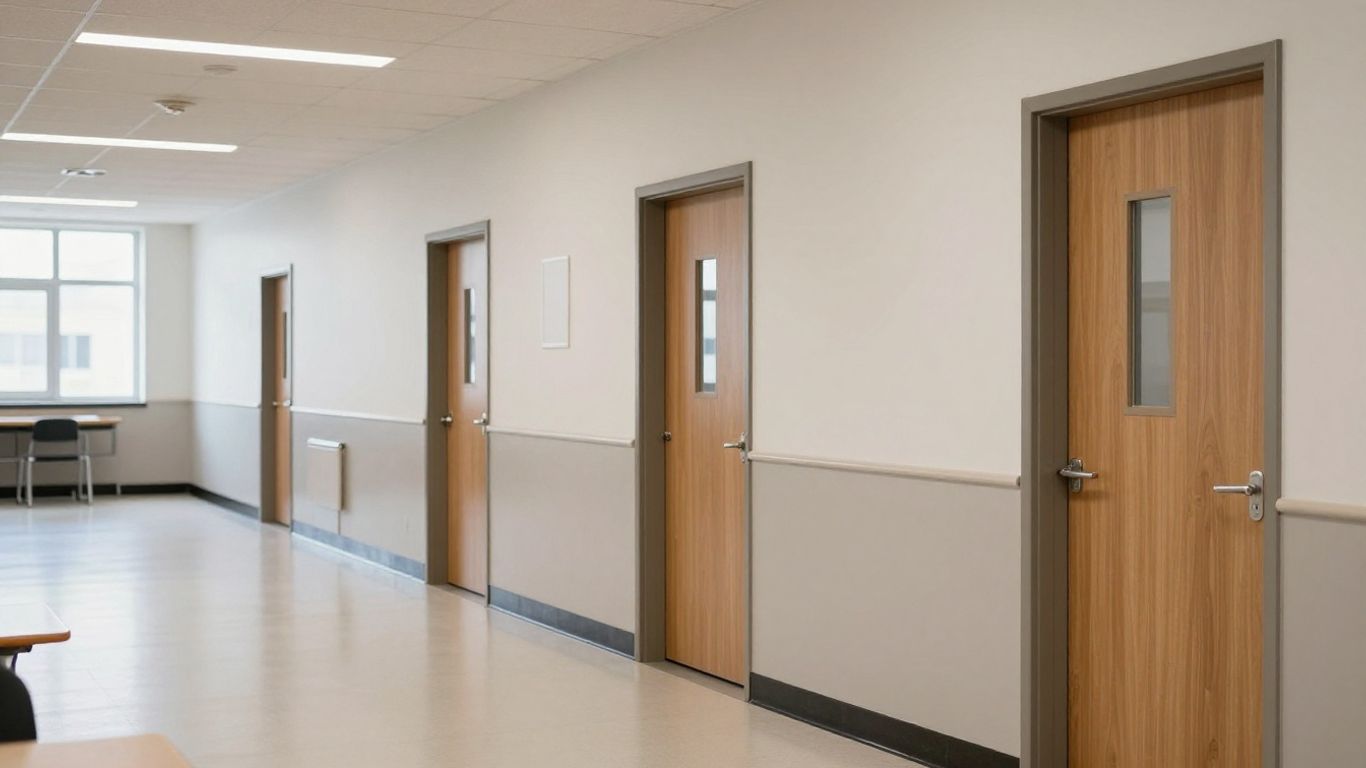
Mechanical options operate without relying on a network connection, and some require a person at the door to engage them. The details vary considerably: a device may be built into the door hardware or work as an additional measure. Before choosing one, confirm that it is compatible with the door and that authorized people can use and release it as intended.
A local device can be straightforward to understand, but its use must still align with the building’s exit and accessibility needs. Staff should know where any removable components are kept and what happens if someone needs access from the other side. These practical details belong in the selection process, not just the installation instructions.
Electrified hardware can be connected to an access control system, allowing authorized users to manage access through the controls provided by the design. How it behaves during a power interruption or emergency depends on the selected hardware and its configuration. Confirm those conditions with the installer and the relevant safety professionals.
The door’s existing wiring, lock type, and control equipment can affect what is feasible. Ask for a clear explanation of how ordinary entry works alongside emergency operation, including any limits on remote actions. A system should be evaluated as part of the building’s full access and life-safety plan.
A networked design can give authorized personnel a centralized way to initiate or manage a response, depending on the system’s documented capabilities and configuration. It also brings operational questions: who has permission to act, how the system communicates status, and what happens if connectivity is interrupted? Make those details explicit before deciding that centralized control is the right fit.
The following comparison can help frame early discussions. It describes broad system approaches, not a promise that every system in a category has the same features.
| Approach | Where operation is centered | Questions to resolve |
|---|---|---|
| Mechanical | At the door | Can intended users engage and release it safely? |
| Electrified | At the door and connected controls | How does it behave during power interruptions? |
| Networked | Authorized central controls and connected doors | What happens if network communication is unavailable? |
| Retrofit or replacement | Depends on the selected hardware | Is the existing door compatible with the design? |
Use the comparison to identify questions for an assessment, not to select hardware on category name alone. A qualified review can determine whether a particular door, control arrangement, and release method suit the building.
Retrofitting may be possible when the existing door, frame, and hardware support the proposed system. Replacement may be more practical when the door is damaged, incompatible, or cannot meet the operational requirements. Neither approach is automatically simpler; installation conditions and required coordination can change the scope.
Have the full opening assessed, including how the door swings, its frame condition, and current hardware. Ask for a written description of any changes to the door and adjacent systems. This makes it easier to compare the initial work with the long-term maintenance the design will require.
Choosing a lockdown door system starts with the people and activities in the building, then moves to hardware and operating details. A small office with a few controlled entrances may have different needs from a multi-site organization with varied door types. A practical assessment keeps security goals, everyday access, and safe movement in view at once.
Start by considering who uses each space, when it is occupied, and which entrances need attention during an emergency. A facility with visitors, contractors, or multiple shifts may need clearer operating roles than a small site with a consistent staff group. Include facilities, security, IT, and the people responsible for emergency planning early in the discussion.
The system should be understandable to the people expected to use it under pressure. Consider how instructions will reach staff and how procedures account for people who may need help. A design that is technically capable but difficult to operate can create confusion at the moment it is needed.
The door and frame determine which options can be installed and how they will function. Opening direction, existing hardware, door condition, and surrounding space are all relevant. Do not assume that a device suitable for one opening will work on another door in the same building.
Document differences across the site before requesting proposals. For a multi-location organization, this can reveal where a consistent system is practical and where local conditions call for a different approach. Compatibility should be verified by a qualified professional on the actual opening.
Operation methods involve different tradeoffs in staffing, control, and system dependencies. A manual approach places the action at the door; remote controls can make authorized activation possible from another location; automatic actions depend on the design and its configured triggers. Review the specific behavior offered rather than assuming all systems within a category work alike.
A simple comparison can keep the discussion grounded in operational needs:
| Operation method | Potential fit | Planning question |
|---|---|---|
| Manual | Local action by trained staff | Who is near the door when action is needed? |
| Remote | Authorized control away from the door | Who can initiate and verify the response? |
| Automatic | A configured response within a designed system | What conditions trigger it, and how is it reviewed? |
The right method depends on the response plan and the building’s staffing and technology. Agree on who can act, how the action is confirmed, and what happens if the expected control is unavailable before selecting a system.
A door used constantly by employees, visitors, or service personnel has different daily demands from a rarely used secondary entrance. Consider how the system affects ordinary entry, deliveries, accessibility, and staff routines as well as the emergency scenario. If a solution creates workarounds during normal operations, users may be less likely to follow procedures consistently.
Map the ordinary access process and the emergency process side by side. That review can expose conflicts early, such as unclear authorization or a release method people have not practiced. Select an arrangement that supports a clear routine without compromising required exit access.
A secure door must still work within the building’s life-safety requirements. Those requirements vary by location, occupancy, door, and system design, so general guidance cannot establish that a specific installation is compliant. Involve qualified professionals and local officials before purchasing or changing hardware.
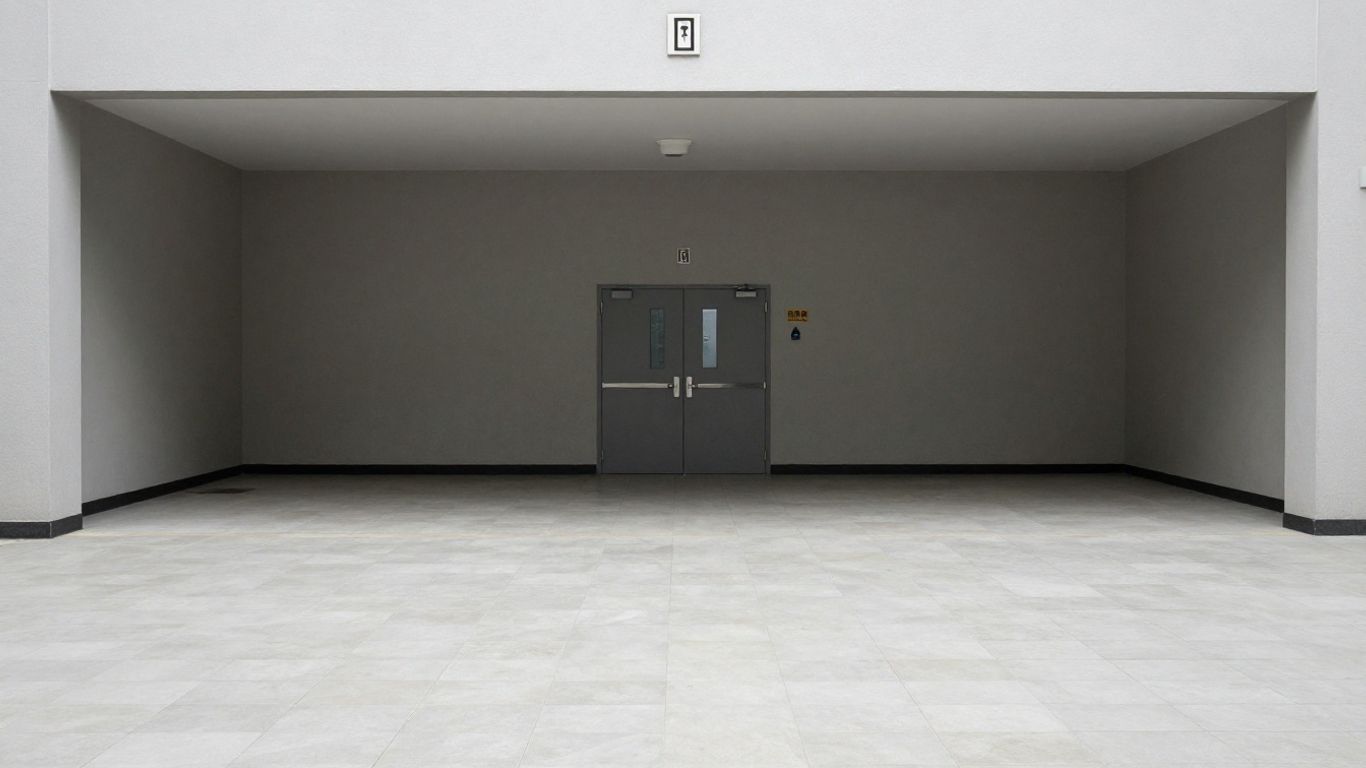
A lockdown procedure should not leave occupants unable to use required exits. How a particular lock or device affects egress must be evaluated for the specific door and building, including its intended use and applicable rules. Do not rely on improvised barriers or assumptions about how a device will behave in an emergency.
Review both the planned lockdown action and the conditions for ending it. The people responsible for the building should know how occupants can leave when necessary and how authorized responders can obtain access. Keep procedures aligned with the advice of the relevant fire and building professionals.
People may need additional time, assistance, or a different route to move through a building. Evaluate whether the door hardware and surrounding space can be used by people with varied mobility, reach, vision, or dexterity needs. Include affected staff and occupants in planning where appropriate, rather than treating accessibility as a final check.
Emergency procedures should identify how support will be provided without creating unnecessary barriers or relying on a single person being present. Test the actual route and operating steps with the needs of occupants in mind. A plan is more useful when its instructions reflect the people who will use it.
Applicable requirements can depend on jurisdiction, occupancy, door location, and hardware type. Before selecting a system, ask the local authority having jurisdiction and qualified design or security professionals which rules apply. Product descriptions and general online guidance are not a substitute for that review.
Keep records of approvals, design decisions, and installation details. If the building has several sites, requirements may differ from one location to another, so confirm them locally rather than assuming a single approval covers every facility. Revisit the review when the use of a space or its hardware changes.
Early coordination helps identify concerns before equipment is ordered or installed. Bring together facilities, security, IT when systems connect to a network, and the professionals responsible for code and life-safety review. Explain the intended operating sequence and ask how the system will behave in normal use, a lockdown, and a failure condition.
Record decisions and responsibilities so the installation team and building staff are working from the same plan. If a concern remains unresolved, pause the project and obtain clarification from the appropriate authority. Clear coordination is more reliable than trying to interpret requirements after installation.
A good installation begins with a clear scope: which openings are involved, what each system must do, and who will operate it. A site assessment can reveal differences in door hardware, wiring, traffic, and building use that affect the design. Treat testing and staff preparation as part of the installation, not as later extras.
Walk the site with people who understand its layout and daily operations. Identify entrances, interior doors that matter to the response plan, and areas where access patterns change during the day. Record door types and existing controls so the installer can verify compatibility rather than relying on assumptions.
A concise assessment can organize the first pass. Include the people responsible for operating each location, since they often know where visitors enter and where procedures may be difficult to follow.
Use the notes to guide a professional survey and confirm which openings need action. Priorities may differ across sites, but the reasoning should be documented so decisions remain understandable when staff or building conditions change.
Decide who is authorized to initiate a lockdown and who can end it, then document the process in accessible language. Clarify how authorization works across shifts and what staff should do if the usual decision-maker is unavailable. The procedure should also identify how a release is confirmed and communicated.
Keep access permissions limited to the roles that need them and review them when responsibilities change. Staff should know where to find current instructions, including any steps for a system fault. Clear authority reduces hesitation and helps prevent conflicting actions.
After installation, test each door under the conditions it will encounter in normal use and in the planned emergency procedure. Confirm that the door, lock, controls, and any connected status components work as specified. Testing should also verify the approved release method and any backup access provisions.
Document results and resolve problems before placing the system into routine service. A test should include the people who will operate the door, not only the installer, so usability issues surface early. Retain the final configuration and operating instructions for future maintenance.
Training should explain what staff are expected to do, what they should avoid, and how they will receive instructions during an incident. Demonstrate the actual hardware and controls used at the site, then allow staff to practice where appropriate. Keep the lesson connected to the organization’s broader emergency plan.
Repeat training when procedures or hardware change and make sure new staff receive it. A short refresher can address common uncertainties, such as who confirms the all-clear or where to report a malfunction. Written guidance should support practice, not replace it.
A system remains useful only when people understand it and its hardware is kept in working condition. Routine inspections can identify wear, damage, or changes that affect how a door operates. Build these checks into normal facilities processes, with clear ownership and records.
Procedures should state who can initiate a lockdown, how staff are notified, and what action is expected at each relevant door. They should also describe how the authorized person confirms that the emergency has ended and communicates that decision. Use clear terms and avoid relying on informal messages that may be misunderstood.
Review the procedure with the people who will use it and check that it matches the installed system. If the system’s controls or roles change, update the written instructions and communicate the revision. The same process should apply to every shift that may need to respond.
Inspection frequency should reflect manufacturer guidance, usage, and the organization’s maintenance plan. Look for visible damage, loose components, changes in door closing, and issues with any sensors or powered equipment included in the system. Record what was checked and route defects to the right person for repair.
Changes to the door or surrounding area can affect operation even when the lock itself appears intact. If a repair or building modification changes the opening, have the system reviewed before assuming it still functions as designed. Keep inspection records available to facilities and security teams.
Backup access and release methods should be tested according to the system’s instructions and the building’s approved procedures. Only authorized personnel should conduct these checks, with affected occupants informed when necessary. Confirm that the people responsible know where required tools or instructions are kept.
A test should establish that the release method is understood and available, not simply that a component is present. Record the outcome and correct any gaps promptly. Include the relevant safety professionals when a test could affect egress or other regulated functions.
After a drill, system fault, or actual incident, gather feedback from staff and the people responsible for the building. Look for unclear directions, delays, hardware problems, and points where normal access conflicted with the response plan. Keep the review focused on practical changes rather than blame.
Update procedures, training, and maintenance tasks when the review identifies a need. Changes to occupancy, staffing, access controls, or building layout can also make an old plan less effective. A regular review helps keep the system aligned with how the organization operates today.
Choosing lockdown doors is a building-specific decision that brings security, daily access, accessibility, and life safety together. Assess the openings, confirm requirements with qualified professionals, and select hardware that staff can operate and maintain as intended. Clear procedures and regular practice are what make the system part of a usable emergency plan.
It is a door equipped or managed to support a building’s response to a security emergency. The specific hardware and operating method depend on the system and the door.
Sometimes. A qualified professional should assess the door, frame, existing hardware, and intended operation to determine whether a retrofit is suitable or replacement is needed.
Neither is universally better. The choice depends on the building, daily access needs, emergency procedures, compatibility, and how the system will be maintained.
Some systems include remote controls, while others require action at the door. Confirm the features and limitations of the specific design, including what happens if power or connectivity is interrupted.
They can, depending on the hardware and configuration. Have qualified professionals review the design against applicable egress and life-safety requirements before installation.
Follow manufacturer guidance and the organization’s maintenance plan, and test after installation or relevant changes. Document checks and address any faults promptly.
Include facilities, security, emergency-planning staff, affected occupants where appropriate, and qualified security and life-safety professionals. Local officials may also need to review the design.
Connect with us to explore our scalable solutions tailored to your unique needs and receive a personalized free quote.