A practical guide comparing cloud-managed security cameras to traditional NVR/DVR systems. Learn why businesses are migrating to cloud and when on-premise still makes sense.

A successful login usually comes down to using the right account details, the official sign-in page, and a secure recovery process. A few simple checks can also prevent repeated login failures.
A Brevo login should take only a moment when the account details are ready. Start from the service’s official sign-in page, enter the credentials associated with the account, and complete any additional verification requested. After signing in, pause briefly to confirm that the expected account and workspace are open.
Use a trusted bookmark or navigate directly to the official sign-in page instead of following an unexpected email link. The account sign-in page provides the standard route for entering an email address and password, with other available sign-in choices shown on the page. Check the browser address bar before entering anything.
Enter the email address associated with the account, then type the password carefully. Watch for an accidental space, an active Caps Lock key, or browser autofill selecting credentials from a different account. If the page rejects the details, avoid guessing repeatedly; move to the recovery process after confirming the email address.
Some accounts may display another sign-in method, such as Google, Apple, or SAML. Choose one only if it is already connected to the account and you understand which identity it will use. Switching methods midway can be confusing when several work or personal profiles are open in the same browser.
Once authentication succeeds, check that the dashboard, organization, or workspace looks familiar. Confirm the account identity before viewing or changing campaigns, contacts, settings, or other shared information. If the screen does not match what you expected, sign out and repeat the process with the correct account.
A few minutes of preparation can prevent a simple login problem from becoming a support issue. Confirm the account identity, inspect the credentials, and use a browser that is behaving normally. These checks are especially useful for people who move between several organizations or devices.
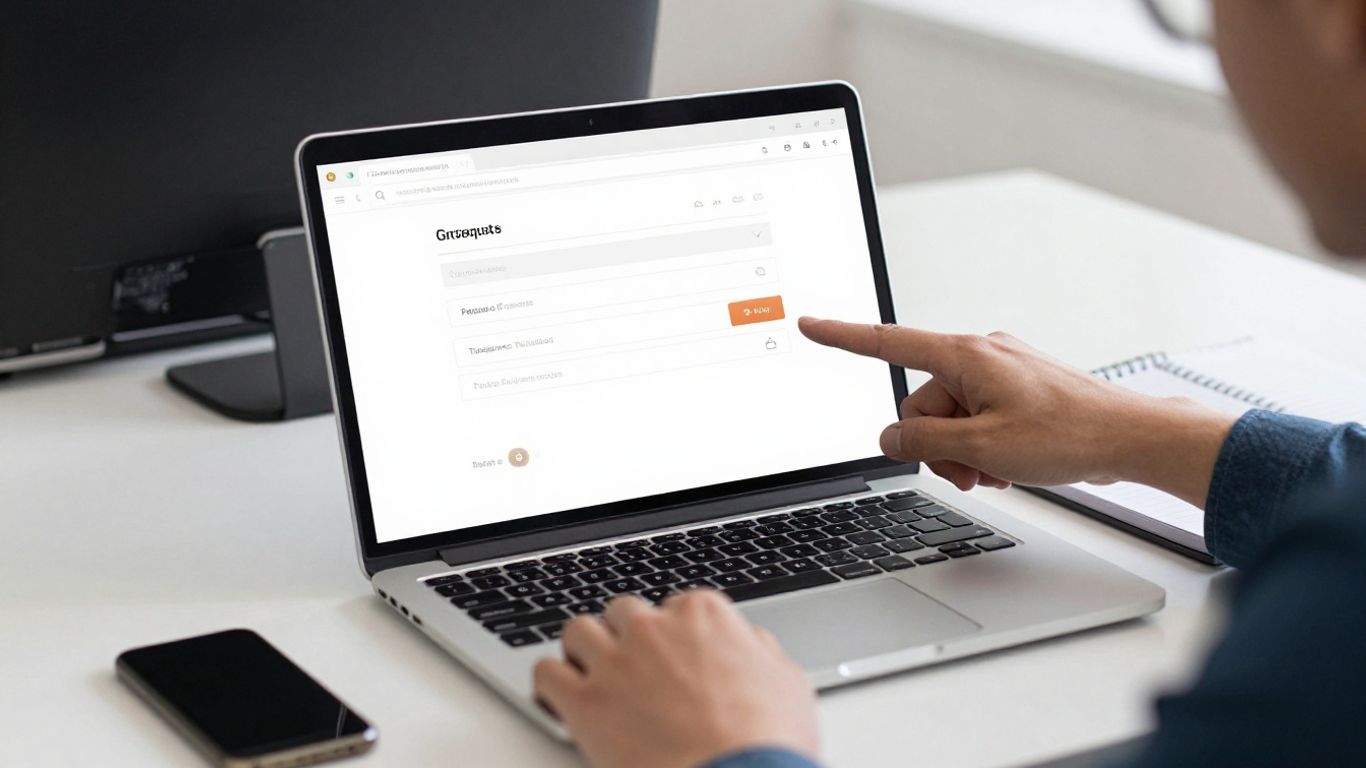
Work email addresses often change, and invitations may be sent to a different address than the one you normally use. Check old account messages or the original invitation to identify the correct address. If you manage more than one organization, write down which account you intend to access before opening the sign-in page.
Read the email address from left to right rather than relying entirely on autofill. Then enter the password manually if the saved value appears outdated. Careful credential checking is faster than cycling through several guesses and may also reduce the chance of triggering a temporary security restriction.
A current browser and reliable connection make it easier for the sign-in page, verification prompt, and dashboard to load consistently. If the page behaves strangely, compare the result in another supported browser or on a trusted network. The following quick checks help separate an account problem from a local device problem:
After these checks, retry once and note the exact message if the problem remains. That detail will be more useful than a general report that login simply failed.
A familiar-looking page is not proof that it is genuine. Inspect the domain, avoid entering credentials after an unexpected request, and open a fresh browser tab when in doubt. If a message pressures you to act immediately or asks for a code outside the normal sign-in flow, treat it as suspicious.
Login failures can come from a forgotten password, an incorrect account identifier, a pending verification step, or a temporary browser issue. Work through one cause at a time and preserve any useful error wording. Repeatedly changing several variables at once makes it harder to know what fixed the problem.
Use the password-recovery option on the official sign-in page and follow the instructions sent to the account email address. Check the inbox’s spam or quarantine folders if the message does not appear promptly. After setting a new password, return to the sign-in page and enter the new credential rather than relying on an older saved password.
First confirm that the email address belongs to the account you are trying to reach. Re-enter the password slowly, checking capitalization and keyboard layout, then use recovery if the message continues. A tutorial such as this sign-in walkthrough can help you compare the expected sequence without entering credentials into the walkthrough itself.
Some sign-ins require an email confirmation or another verification step before access is complete. Look for a recent message, use the newest verification instruction, and avoid submitting an older code after requesting several new ones. If the account belongs to an organization, ask the administrator to confirm that the invitation or address was entered correctly.
A stale session, corrupted cookie, or extension can interfere with a page that previously worked. Clear site data only when you understand that doing so may sign you out of other services, or test in a private window first. If the private window works, return to the regular browser and remove old site data or inspect extensions.
When several people receive similar errors at the same time, the issue may not be limited to one password or device. Check the service’s official status information or support channels before making repeated account changes. A short wait can be sensible when the page itself is unavailable, but record the time and message so the issue can be reported clearly.
Two-factor authentication adds a second proof of identity after the password. It can slow the process by a few seconds, but it also limits the usefulness of a stolen password alone. Treat the authentication device and recovery information as part of the account, not as disposable login accessories.
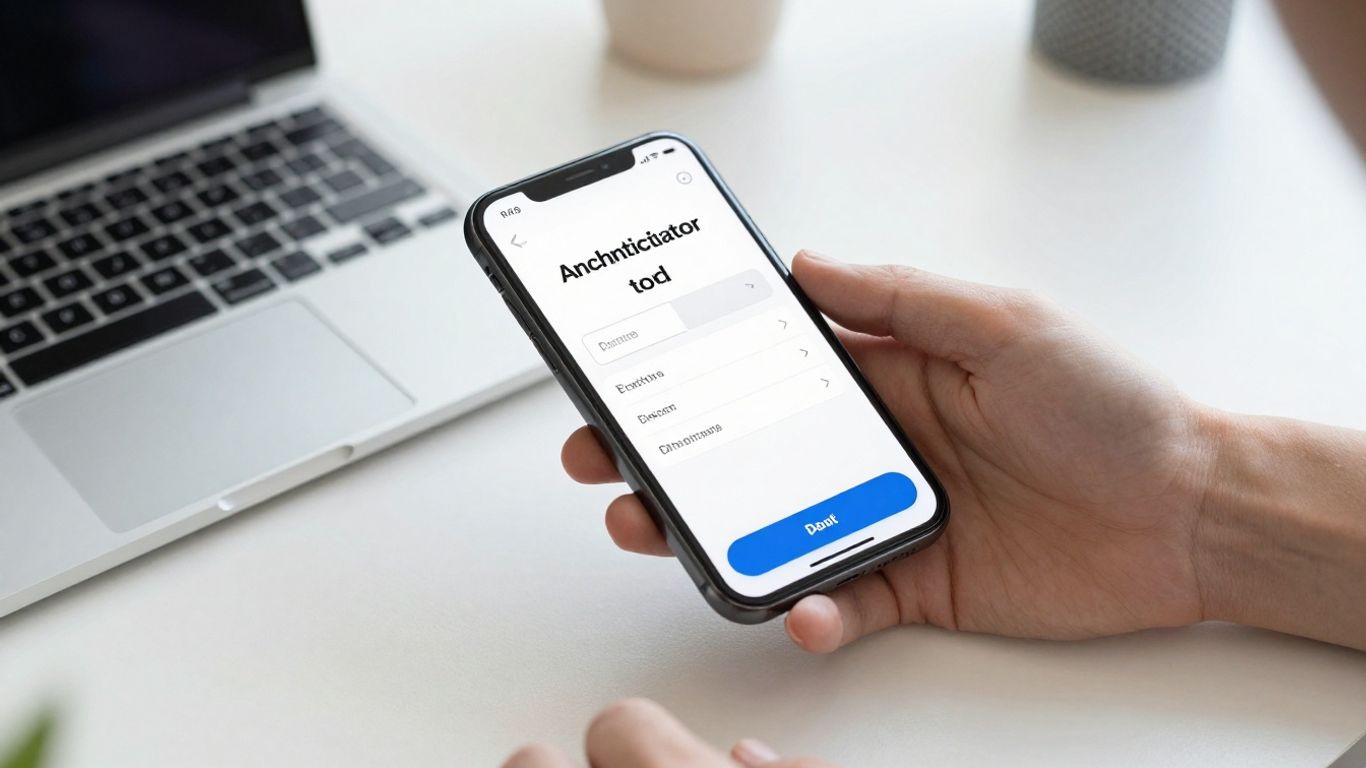
Open the account’s security settings and follow the setup instructions provided there. Use a device you control and complete the test step before ending the setup. If the account is shared across a team, agree in advance on who can administer recovery without passing around a personal device.
When prompted, open the relevant authenticator or retrieve the approved code through the configured method. Enter the current code carefully and allow for a short delay if the device is generating time-based codes. Do not send the code to another person through chat or email, even if the request appears to come from a colleague.
Use the account’s documented recovery route rather than repeatedly entering guessed codes. If another administrator can help, verify that person through a separate trusted channel before discussing account access. Keep the recovery process focused on restoring the legitimate owner’s access, not bypassing the second factor.
Backup codes should be stored where you can reach them during a device failure but where other people cannot casually copy them. A password manager or protected offline record may be appropriate, depending on your organization’s policy. Replace or invalidate codes when you believe they have been exposed.
Secure access is an ongoing operating practice rather than a one-time setup task. The same discipline applies whether one person uses the account or a large team works across multiple locations. Review access after staffing changes, device loss, and unusual activity.
Use a long, unique password that is not reused for email, banking, or another work system. A password manager can generate and store it without forcing people to keep credentials in notes or spreadsheets. Change it when exposure is suspected, not merely on an arbitrary schedule that encourages predictable variations.
If the account provides a session or device review, inspect it periodically and after travel or device replacement. Look for unfamiliar locations, browsers, or access times. Sign out sessions you no longer recognize, then change the password and review two-factor settings if the activity appears genuinely suspicious.
Access should be removed promptly when someone leaves a role or no longer needs the account. Do not solve personnel changes by sharing a new password with the remaining team; individual accounts make ownership and review clearer. Keep a simple record of who is authorized and what level of access they require.
Unexpected password-reset messages, unfamiliar sessions, and repeated verification prompts deserve attention. Preserve relevant timestamps and messages before deleting them, then use a trusted device to review security settings. If a login may have succeeded, treat the situation as a potential compromise rather than only a failed sign-in.
After securing the email account and changing exposed credentials, contact the service’s support channel through an official route. Explain what happened, when it began, and which recovery steps have already been taken. Clear, chronological information helps support staff distinguish a locked account from unauthorized access.
Team access adds an organizational layer to an otherwise personal login. The email and password may authenticate one user, while the next screen determines which organization and permissions apply. Before making changes, confirm both the identity of the user and the scope of the workspace.
If the account is connected to more than one organization, select the one that matches the task at hand. A familiar dashboard is not enough if the workspace name or available data looks different. When moving between organizations, pause before editing settings or sending anything on behalf of a team.
Permissions determine which settings and records a person can view or change. Ask an administrator to explain the role when access appears limited, rather than attempting to work around it. Keeping permissions aligned with job responsibilities reduces both accidental changes and unnecessary exposure.
Invite colleagues through the organization’s normal user-management process and assign only the access they need. Each person should use an individual credential so activity can be attributed accurately. Review the member list periodically, particularly after a project ends or responsibilities change.
A missing menu or unavailable workspace may result from a role update rather than a password problem. Compare the current access with the user’s assigned responsibilities and ask an administrator to confirm recent changes. Avoid creating duplicate accounts until the organization’s membership and invitation records have been checked.
Personal credentials should remain personal, even when the work is shared. Shared passwords make it difficult to remove one person safely and complicate investigation after an incident. Use individual access and documented administrative ownership so the organization can change permissions without disrupting everyone else.
A reliable login routine combines the official sign-in route, accurate credentials, patient recovery steps, and disciplined access management. Whether the account is personal or shared across a team, checking the workspace and protecting verification methods keeps routine access from becoming a security weakness.
Use the password-recovery option on the official sign-in page, follow the email instructions, and return to the page with the newly created password. Check spam or quarantine folders if the recovery message does not arrive.
The second device may be using an outdated saved password, different keyboard settings, an old session, or a browser extension that interferes with the page. Enter the credential manually and test a private window.
Browser password storage can be convenient when the device is secured with a strong operating-system account and appropriate organizational controls. Avoid saving credentials on shared or public devices.
Two-factor authentication requires a second proof of identity in addition to a password. This may involve an authenticator code, a security key, or another approved method.
Use the account’s official recovery process and any securely stored backup codes. If those options are unavailable, contact the service through its official support channel and be ready to verify ownership.
Check the domain carefully, use a trusted bookmark or manually open the official site, and avoid entering credentials after an unexpected urgent request. Never share authentication codes with someone who asks for them.
No. Individual user access makes it easier to assign appropriate permissions, remove access when roles change, and investigate unusual activity without guessing who used the account.
Connect with us to explore our scalable solutions tailored to your unique needs and receive a personalized free quote.