Explore Verkada San Mateo's innovation in enterprise security, from cloud platforms to AI analytics and video surveillance.
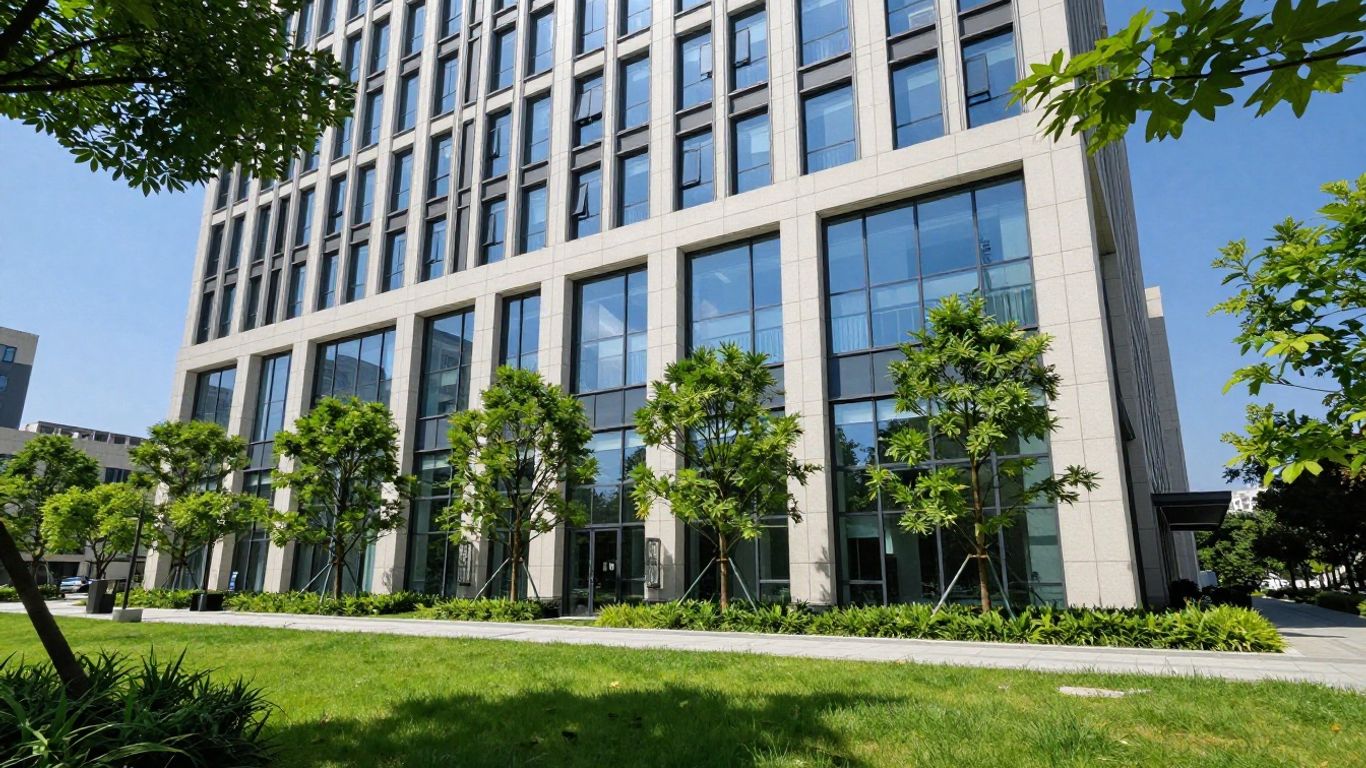
Verkada San Mateo is a place where new ideas about keeping things safe are coming to life. It's not just about cameras anymore; it's about how technology can make our workplaces and public areas more secure. From the ground up, this company is changing how we think about security systems, making them smarter and easier to use for everyone. Let's take a look at what's happening there.
Verkada's headquarters in San Mateo isn't just an office; it's a nerve center for rethinking how businesses protect themselves and manage their spaces. From this Bay Area base, the company has grown into a major player in the enterprise security world. It's pretty cool to see how a company can start somewhere and then really take off, changing how things are done.
Verkada started with a clear idea: make security systems simpler and smarter. They saw that a lot of existing security tech was complicated, hard to use, and didn't really talk to each other. So, they set out to build something different, focusing on cloud-based solutions that could be managed easily from anywhere. This approach really struck a chord, especially with businesses looking for more modern ways to keep their facilities safe. The company's early focus on user experience and integrated systems set the stage for its rapid ascent.
Starting in the Bay Area, a region known for tech innovation, gave Verkada a strong foundation. The company quickly gained attention, attracting talent and investment. This allowed them to expand their product lines beyond just cameras, moving into access control, environmental sensors, and more. Their growth wasn't just about getting bigger; it was about building a more complete security platform. They've opened new offices and grown their team significantly, showing a real commitment to expanding their reach.
Beyond its business growth, Verkada has also made an effort to connect with the local San Mateo and broader Bay Area community. They've participated in local initiatives and supported businesses in the area. For instance, they've provided security camera donations to help local businesses, like those in Oakland's Chinatown, combat crime and improve safety. This kind of community involvement shows a company that cares about more than just its bottom line. It's about being a good neighbor and contributing positively to the places where they operate. It's nice to see companies giving back, especially when it helps address real issues like crime and safety for small businesses. You can find more about roles like these on Built In Los Angeles.
The drive to innovate from San Mateo has allowed Verkada to create security solutions that are not only powerful but also accessible. This focus on making advanced technology easy to use is a big part of why they've become so popular with businesses of all sizes.
Enterprise security isn't what it used to be. We've moved way past clunky VCRs and basic motion detectors. Today, it's all about smart, connected systems that can actually help you manage your business better, not just react to problems. Think about how much has changed even in the last few years. It's pretty wild.
Remember when security systems were all local? You had servers in a closet, tapes to manage, and if something went wrong, you were often out of luck. Cloud-based platforms changed all that. Now, you can access your security feeds and data from anywhere, which is a game-changer for businesses with multiple locations or remote teams. It means less hardware to maintain on-site and more flexibility in how you manage your security.
The shift to cloud means security is no longer just a physical asset, but a service that can be accessed, managed, and updated remotely, making it more adaptable to changing business needs.
This is where things get really interesting. Artificial intelligence is making security systems much smarter. Instead of just recording video, these systems can now analyze it. They can spot unusual activity, identify people or vehicles, and even predict potential issues before they happen. This isn't science fiction anymore; it's happening now and making a real difference.
Here's a look at what AI analytics can do:
AI is transforming passive surveillance into an active, intelligent security partner.
Having separate systems for video surveillance, access control, and alarms used to be the norm. But that often led to gaps and made managing everything a headache. The real advancement is in integrating these systems. When your cameras, door locks, and alarm systems all talk to each other, you get a much more complete picture of what's happening. An alert from an access point can trigger cameras to record, or a motion detection event can automatically lock down certain doors. It's about creating a unified front against threats.
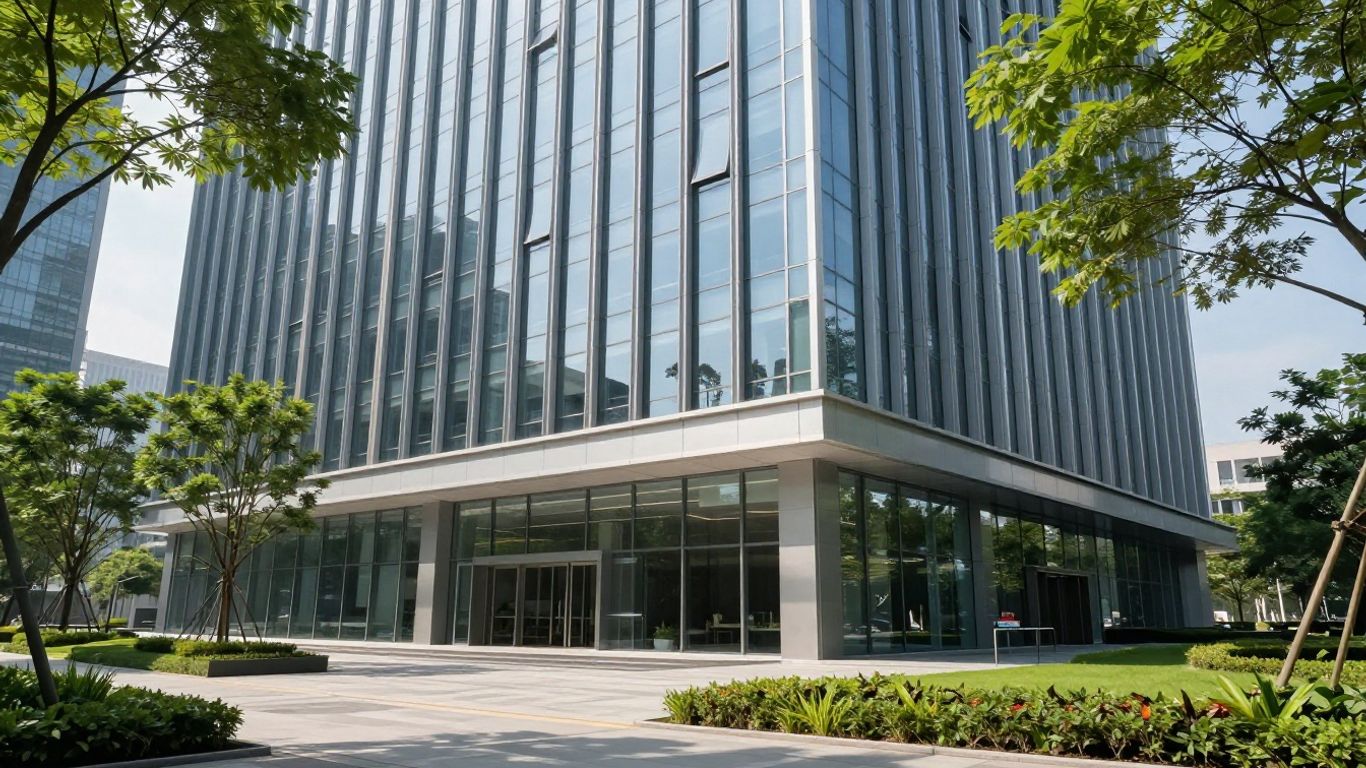
When you think about security cameras, you might picture bulky boxes with grainy footage. That's not really how things work anymore, especially with companies like Verkada pushing the envelope. They've really changed the game when it comes to video surveillance, making it smarter and more useful.
Today's cameras are way more than just eyes on the wall. Verkada's cameras, for instance, pack a lot of tech. We're talking about high-resolution images, wide-angle views that capture more of a scene, and even features like IR illumination for clear video in total darkness. Some models even have built-in analytics, so they can do more than just record. Think about cameras that can detect motion, people, or even specific events without needing a separate system to tell them what to look for.
This is where things get really interesting. Computer vision is basically teaching computers to 'see' and interpret images like humans do, but much faster and more consistently. For security, this means cameras can do more than just record; they can actively analyze what's happening. Verkada uses this to power features like people analytics, which can tell you how many people are in an area, how long they stayed, and even track their movement across different cameras. This isn't just about catching bad guys; it's also about understanding how spaces are used, which can help with things like crowd management or optimizing store layouts.
The shift from passive recording to active analysis is a major leap. It means security systems can proactively identify potential issues rather than just reacting to them after the fact. This proactive stance can make a big difference in preventing incidents before they escalate.
One of the biggest headaches with new tech is getting it to work with what you already have. Verkada has put a lot of effort into making their cameras easy to install and connect. They use a cloud-based platform, which means you don't need complex on-site servers. The cameras connect directly to the cloud, and you can access the footage and analytics from anywhere with an internet connection. This makes it simpler to scale up your system as needed, adding more cameras without a huge IT overhaul. Plus, their open platform approach means they can often work with other security systems you might already be using, which is a big plus for businesses that don't want to rip and replace everything.
When you think about keeping a building secure, doors and who can go through them are usually the first things that come to mind. Verkada is really changing how this works, moving beyond just simple locks and keys. They're building systems that are smarter and connect with other security tools.
Gone are the days of clunky key cards that get lost or stolen easily. Verkada's approach to access control is all about making things flexible and easy to manage. They've developed systems that can be controlled from anywhere, using the cloud. This means you can grant or revoke access in real-time, which is a big deal for businesses that have a lot of people coming and going or need to react quickly to security concerns. Think about it: if an employee leaves, you can instantly cut off their access without having to collect a physical card. It's about making security work for you, not against you.
Keeping track of who is in your building is super important, especially in places like schools or offices with lots of visitors. Verkada's visitor management system is designed to make this process smooth and secure. When someone arrives, they can check in, often through a tablet, and the system can even run background checks if needed. This helps create a safer environment by knowing who is on-site and why. For example, schools are using these systems to screen visitors before they enter, adding a significant layer of safety for students and staff. It’s a step up from just signing a guest book.
Verkada isn't just stopping at door locks. They're integrating intercoms and other entry control devices directly into their platform. This means you can see and talk to someone at the door right from your phone or computer, and even grant them access remotely. This kind of integration is key for a unified security approach. Imagine a delivery person arrives, you can see them on camera via the intercom, have a quick chat, and buzz them in – all without leaving your desk. This interconnectedness is what makes their system so powerful, providing a more complete picture of building access and activity. It's all part of their push for AI-powered deterrence before incidents even happen.
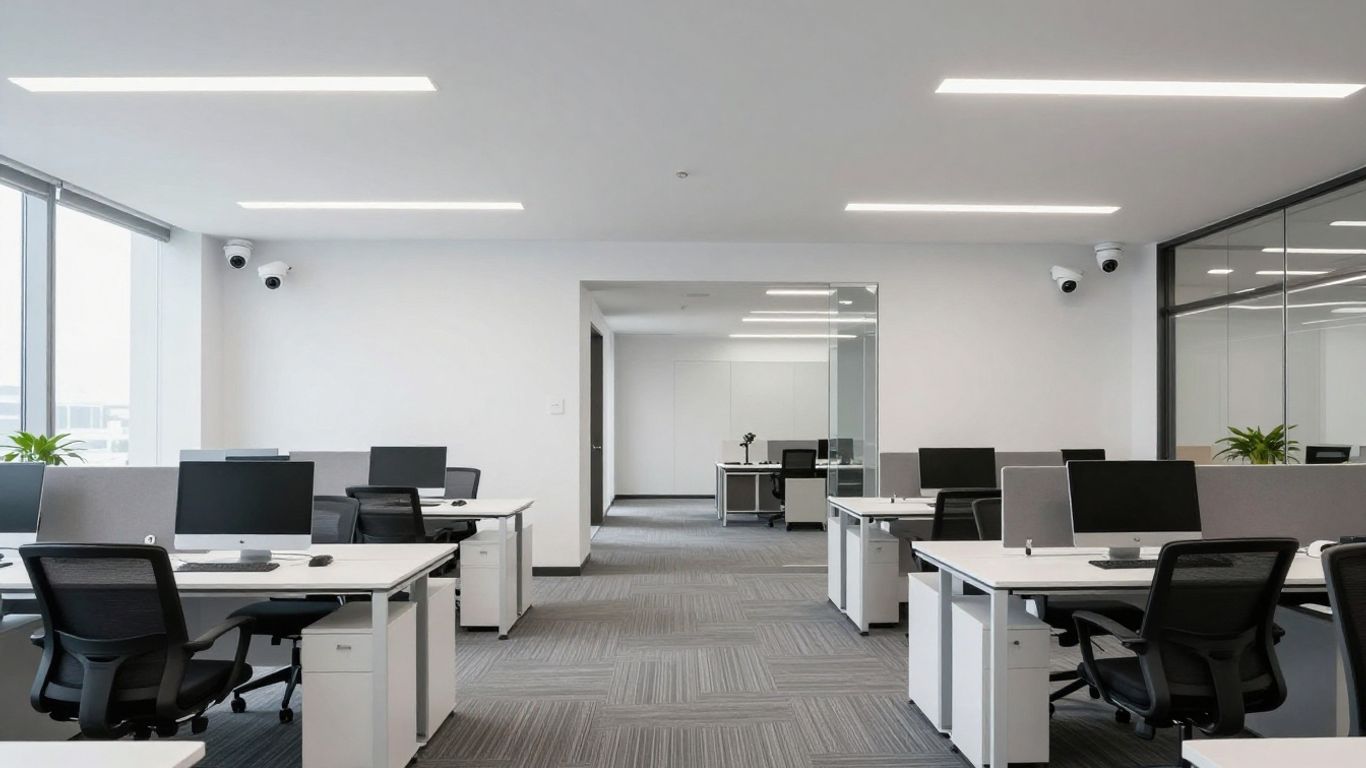
Schools today face a lot of challenges, and keeping students and staff safe is a big one. Verkada's systems are helping districts get a better handle on things. Think about it: you've got cameras in hallways, at entrances, and even in common areas. These aren't just recording; they're connected to a cloud platform that makes it easy to check what's going on, even remotely. This means administrators can respond faster if something happens.
One of the key areas is managing who comes and goes. Visitor management systems are becoming standard. They help track who is on campus, which is important for security and also for knowing who should be there. Plus, integrated systems mean that if an alarm goes off, cameras in that area can automatically show live feeds, giving a clearer picture of the situation.
The integration of different security tools, like cameras and access control, means that schools can build a more robust safety net without making things overly complicated for the people who work there every day.
Retail environments are constantly dealing with shoplifting and, unfortunately, sometimes more serious issues. Verkada's technology is being used to help stores keep an eye on things. It's not just about catching thieves after the fact; the systems can help identify suspicious activity as it's happening. This can make a difference in preventing losses and, importantly, keeping employees safe.
Worker safety is a growing concern in retail. When staff feel secure, they can do their jobs better. Verkada's platform can help by providing clear video evidence if an incident occurs, which can be used for investigations and to improve safety protocols. The ability to quickly search through footage using AI is a big help here.
The focus is on creating a safer shopping experience for customers and a more secure workplace for employees.
Places like power plants, water treatment facilities, and busy public transit hubs are vital. Protecting them is a big job. Verkada's systems are designed to be scalable, meaning they can be used for large, complex sites. This includes monitoring large outdoor areas, tracking assets, and controlling access to sensitive zones.
For public spaces, like parks or city centers, the goal is often about public safety and managing crowds. Cameras can help monitor activity, identify potential issues, and provide evidence if something goes wrong. The cloud-based nature of the platform means that security teams can manage multiple locations from a central point, which is a big advantage for organizations spread out geographically.
The ability to integrate different types of sensors and cameras means that organizations responsible for critical infrastructure can build a layered security approach that addresses a wide range of potential threats.
Verkada's platform is built with growth in mind. It's designed to be easy to use, even as your organization gets bigger. Think about it like this: you start with a few cameras, and then maybe you add access control doors, and then some environmental sensors. The Verkada system is supposed to handle all of that without a huge headache. It's all managed from one place, which cuts down on the complexity that usually comes with managing different security systems. This means IT teams don't get bogged down with complicated setups.
One of the really interesting things about Verkada is how they're approaching integrations. They're opening up their platform so other systems can connect with it. This is a big deal because most businesses don't operate with just one vendor for everything. Being able to link your Verkada system with other tools you already use, like alarm systems or even building management software, makes everything work together better. It's about creating a more connected security environment.
Verkada sees its platform as more than just security cameras and door locks. They're positioning it as a foundation for what they call 'smart buildings.' By collecting data from various sensors – cameras, door readers, environmental monitors – the platform can provide insights that go beyond just security. This data can help with things like understanding how people move through a building, monitoring air quality, or even optimizing energy use. The goal is to make buildings more efficient and responsive through integrated physical security technology.
The shift towards cloud-based systems means that physical security is no longer tied to on-site servers. This allows for remote management and quicker updates, making it easier for businesses to adapt to changing needs and threats without major hardware overhauls. It's a move towards a more agile and accessible security infrastructure.
Here's a look at how the platform supports different aspects:
So, after looking into Verkada's setup in San Mateo, it's pretty clear they're doing some interesting things. They've grown a lot, expanding their reach and their product line, which shows they're on to something. It seems like they're focused on making security tech that's easier to use and connect, which is a big deal for a lot of businesses. It’ll be interesting to see what they come up with next as they keep pushing forward in the security space.
Verkada is a company that makes smart security systems for businesses and other organizations. Think of it like upgrading your home security cameras and door locks to be super advanced and easy to use from your phone or computer. They help keep places safe by using things like cameras, door access systems, and even sensors.
Verkada's main office is in San Mateo, California, which is in the San Francisco Bay Area. This is where a lot of their innovative work happens, but they have offices and customers all over the world.
Verkada uses smart technology like artificial intelligence (AI) and cloud computing. AI helps their cameras and systems understand what's happening, like detecting unusual activity. The cloud makes it easy to manage everything from anywhere and ensures the systems are always up-to-date.
Lots of different places use Verkada! This includes schools to keep students safe, stores to prevent theft and protect workers, and even big buildings and public areas. Basically, any place that needs good security can benefit from their technology.
No, Verkada tries to make their systems really simple and easy to use. They are designed to be easy to set up and manage, even for people who aren't tech experts. You can often check in on things from an app on your phone.
Verkada focuses on making security systems that are not only powerful but also very user-friendly and integrated. They use modern technology like AI and cloud systems to make security smarter and more efficient, helping businesses stay ahead of potential problems.
Connect with us to explore our scalable solutions tailored to your unique needs and receive a personalized free quote.


