Discover how many counties are in New Jersey. Explore the Garden State's 21 counties, their history, and administrative structure.
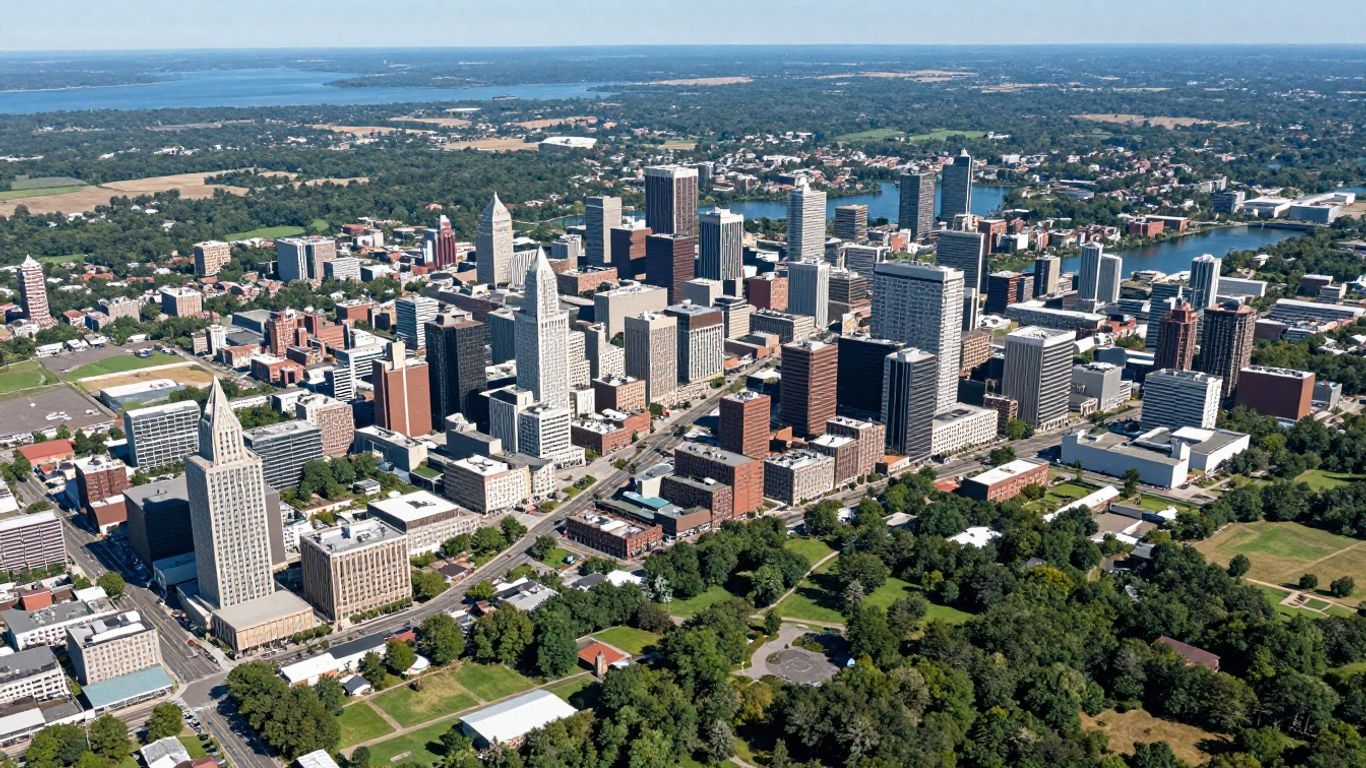
Ever wondered how New Jersey is divided up? It's a question many people have when looking at a map of the Garden State. We're going to break down how this state is organized, focusing on its counties. You might be surprised to learn how many there are and how they came to be. Let's get into it and figure out how many counties in New Jersey there really are.
New Jersey, often called the Garden State, is organized into a system of counties, which serve as important administrative divisions. It's not just a random collection of towns; there's a structure in place that helps manage services and governance across the state. Thinking about how these counties came to be and how they operate is pretty interesting, actually.
So, how many counties are we talking about here? New Jersey is divided into 21 distinct counties. This number has remained consistent for quite some time, with the last county being established in the mid-19th century. Each county has its own unique identity, shaped by its history, geography, and the people who live there. It's a pretty neat way to break down a state that's known for being densely populated and diverse.
Many of New Jersey's counties have roots stretching way back to the colonial era. In fact, 13 of the current 21 counties were formed before the United States was even a country! The process of dividing the state into counties was largely completed by the late 17th century. Over time, existing counties were split to create new ones, leading to the 21 we have today. The most recent addition was Union County, formed in 1857. It’s kind of wild to think about how these boundaries have evolved over centuries.
The way counties are run has also seen changes. For a long time, elected officials in New Jersey counties were known as 'freeholders.' However, a recent change in legislation means they are now officially called county commissioners. These commissioners are responsible for the day-to-day operations and policy-making within their respective counties. In some counties, the commissioners handle both legislative and executive duties, while in others, there's a separate elected County Executive who manages the executive functions. This structure helps ensure that county government can effectively serve its residents.
The administrative setup can vary from county to county, with some having a combined board of commissioners that handles all functions, and others splitting executive and legislative roles. This flexibility allows each county to adapt its governance to its specific needs and population.
New Jersey, despite its relatively small size, packs a punch when it comes to varied landscapes. From the sandy shores of the Atlantic coast to the rolling hills of the Highlands in the north, the state offers a surprising diversity of terrain. The Pine Barrens, a vast expanse of coastal plain, covers a significant portion of the southern part of the state, characterized by its unique ecosystem. Further inland, you'll find fertile agricultural lands, particularly in the central and southern regions, earning New Jersey its "Garden State" nickname. Rivers like the Delaware and the Hudson define some of its borders, and numerous smaller waterways crisscross the state, shaping its geography.
When you look at how people are spread out across New Jersey's counties, a few things stand out. The most populated areas tend to hug the major transportation corridors, especially along the eastern edge near New York City and the western edge along the Delaware River bordering Pennsylvania. Counties like Bergen, Essex, and Hudson, which are part of the New York metropolitan area, consistently show the highest population densities. On the other hand, some of the more rural counties, particularly in the southern and western parts of the state, have much lower population counts. This uneven distribution is a direct result of historical development, economic opportunities, and the state's overall geography.
Here's a look at the population trends over the years:
New Jersey is practically a collection of interconnected metropolitan areas, with a significant portion of its population living within commuting distance of major cities. The most prominent is the New York metropolitan area, which encompasses many of the northeastern counties. This region is a powerhouse of economic activity and cultural influence. Then there's the Philadelphia metropolitan area, affecting the southern counties of New Jersey. These two major hubs create distinct economic and social zones within the state. Beyond these giants, smaller cities and their surrounding areas form their own regional centers, contributing to the state's complex demographic mosaic.
The state's diverse population is reflected in its linguistic landscape, with Spanish being the most common non-English language spoken by a significant margin. Other languages like Chinese, Italian, and Portuguese also have notable presences, showcasing the wide range of origins among New Jersey residents.
New Jersey is a state with a rich history, and its county structure reflects that. We've got 21 counties in total, and a good chunk of them, 13 to be exact, go way back to the colonial days. It's pretty wild to think about how these areas were first set up and how they've changed over centuries. The state was fully divided into counties by 1692, and since then, they've mostly been carved out of existing ones. The most recent county to be established was Union County, back in 1857.
Many of New Jersey's counties have roots stretching back to the earliest days of English settlement. These original counties were formed during the colonial period, often with boundaries that reflected the early patterns of settlement and governance. They represent the foundational divisions of the state as it began to take shape.
Union County holds the distinction of being the last county formed in New Jersey. Established in 1857, its creation marked the final step in dividing the state into its current 21-county structure. This relatively late formation means its history is more tied to the industrial and population growth of the mid-19th century.
It's interesting how county government works here. For a long time, elected officials were known as 'freeholders,' but that's changed. Now, they're called county commissioners, thanks to a law passed in 2020. These commissioners are the ones running things. The number of commissioners in each county can vary, usually three, five, seven, or nine members, depending on what the voters decide.
In most counties, the Board of County Commissioners handles both the legislative and executive duties. Think of it like this: they make the laws and also run the departments. However, in five specific counties – Atlantic, Bergen, Essex, Hudson, and Mercer – there's a directly elected County Executive who takes care of the executive side of things, while the commissioners focus on the legislative and oversight parts. If there's no County Executive, a County Administrator is often hired to manage the day-to-day operations. It's a system that's evolved over time to fit the needs of different areas within the state.
The structure of county government in New Jersey has seen significant evolution, particularly with the recent shift from 'freeholders' to 'county commissioners.' This change reflects an ongoing effort to adapt governance to modern needs while respecting historical divisions. The distribution of executive and legislative power also varies, adding another layer of complexity to how each county operates.
New Jersey is divided into 21 distinct counties, each with its own unique character and history. These divisions aren't just lines on a map; they represent different communities, landscapes, and even economic drivers across the state. Think of them as the building blocks that make up the Garden State's diverse makeup. From the bustling urban centers of the north to the more rural stretches of the south, each county plays a part in the state's overall story.
Every county has a designated county seat, which is essentially the administrative heart of that county. This is where you'll typically find the county courthouse, government offices, and other key administrative buildings. These towns often have a long history and have served as centers of commerce and governance for centuries. They are the anchors that hold the county's administrative structure together.
New Jersey isn't a monolith; it's a state of distinct regions, and the counties help define these areas. You've got the densely populated Northern New Jersey counties, heavily influenced by New York City. Then there's Central Jersey, often seen as a transition zone. Down in South Jersey, you'll find areas with a different feel, closer to Philadelphia or with a strong coastal identity. These regional differences are reflected in everything from local culture to the types of industries that thrive there.
Here's a quick look at how the counties are generally grouped:
Understanding these county divisions and their regional characteristics helps paint a clearer picture of New Jersey's complex social and economic landscape. It's more than just geography; it's about the people and how they've shaped and been shaped by their local environments over time.
New Jersey's administrative setup is pretty interesting. The state is divided into 21 counties, and how they're run can vary a bit. For a long time, elected officials in New Jersey counties were known as 'freeholders.' But that changed recently. As of August 2020, they're now called county commissioners. These commissioners are the ones in charge of running each county through their Board of Chosen County Commissioners.
The number of commissioners on each board isn't random; it's decided by local votes and has to be three, five, seven, or nine members. It's a system designed to keep things manageable.
It's not just the counties themselves that make up New Jersey's structure; you also have all the towns, cities, and boroughs, which are called municipalities. These municipalities handle a lot of the day-to-day stuff that affects people directly, like local roads, parks, and zoning. They work within the framework set by the county, but they also have their own local governments.
Think of it like this:
This layered approach means that different levels of government are responsible for different things, all working together (most of the time!) to serve the residents.
Urban revitalization efforts can really shake things up for counties. When cities within a county start getting a facelift – think new businesses, updated housing, and improved public spaces – it has a ripple effect. It can boost the local economy, which in turn can affect county tax revenues and the demand for county services. Sometimes, these revitalization projects are spearheaded by county-level initiatives, especially in counties with a strong executive branch. Other times, it's more of a partnership between the county and its municipalities. It's a dynamic process that can reshape the look and feel of a county, and how it operates.
The way counties are governed and how they interact with their municipalities is a key part of how New Jersey functions. It's a system that's evolved over time and continues to adapt to new challenges and opportunities, especially in areas undergoing significant change.
So, there you have it. New Jersey is made up of 21 counties, each with its own unique vibe and history. It’s pretty interesting how these divisions shape everything from local government to how we think about different parts of the state. Whether you're heading to the shore, the mountains, or a city center, knowing about these 21 counties gives you a better picture of what makes the Garden State tick. It’s a lot to take in, but it really helps you appreciate the diversity packed into this relatively small place.
New Jersey is made up of 21 counties. These areas help organize the state and provide local services to residents. Think of them as big neighborhoods within the state.
Many of New Jersey's counties have a long history, with 13 of them dating back to the colonial times. The state was fully divided into counties by 1692, and over time, existing counties were split to form new ones. The most recent county, Union County, was established in 1857.
County officials, now called county commissioners, are in charge of running each county. They make decisions about local services and manage county departments. In some counties, there's also a County Executive who handles the day-to-day management, while commissioners focus on making laws and overseeing things.
No, counties vary a lot! Some are much bigger in terms of land area, while others have way more people. For example, Bergen County is the most populated, but places like Galloway Township cover a lot more land.
A county seat is like the main town or city for a county. It's usually where the county government buildings are located, such as the courthouse or administrative offices. It's the central hub for county business.
Municipalities are the towns and cities within a county. While counties provide broader services and governance, municipalities handle local matters within their own borders. New Jersey has many small municipalities, which means counties often have a lot of towns within them.
Connect with us to explore our scalable solutions tailored to your unique needs and receive a personalized free quote.


