Explore the definition of IT companies, their functions, and the role of innovation and technology in their success. Learn about key components and real-world examples.
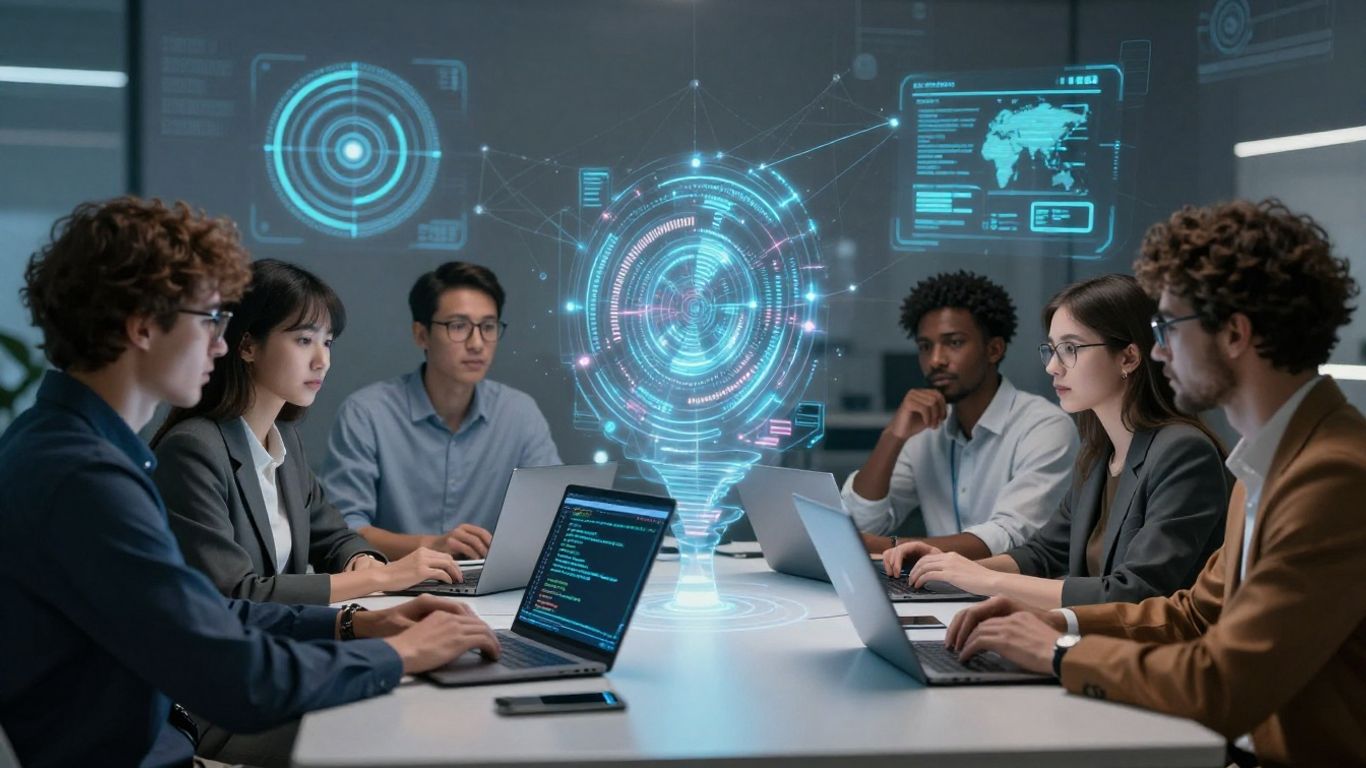
So, what exactly are IT companies? It’s a question many people wonder about, especially with technology being such a huge part of our lives now. Basically, these are businesses whose main gig is working with computers and software. They build things, they fix things, and they help other businesses use technology better. Think of them as the architects and builders of our digital world. This article will unpack the it companies definition, looking at what makes them tick and what they actually do.
So, what exactly is innovation? At its heart, it's about bringing something new into the world. This could be a fresh product, a different way of doing things, a new service, or even a completely new idea. Think of it as the spark that ignites progress. It's not just about inventing something out of thin air; it's about taking existing elements and combining them in a novel way or improving them significantly.
Why do businesses care so much about innovation? Well, it's a major engine for growth. Many companies see a huge chunk of their expansion coming directly from new ideas and approaches. Without it, businesses can easily get stuck in their ways, becoming less relevant as the world moves on. It's how companies stay competitive and keep customers interested.
It's easy to think innovation only means creating the next cool gadget. But that's just one piece of the puzzle. Innovation can happen in so many areas. It could be a new way to manage your team, a more efficient production line, or a better customer service process. Even small tweaks can make a big difference over time. The goal is to find better ways to create value, whether that's for customers, employees, or the company itself.
Innovation isn't just about the big, flashy breakthroughs. Often, it's the steady, consistent improvements that build a company's long-term success. It's about a mindset of always looking for a better way.
Here's a quick look at how innovation can show up:
Look, technology and innovation are pretty much inseparable these days. It's hard to imagine one without the other. Think about it: most companies agree that coming up with new ideas is super important for growing their business. And why is that? Because technology lets them do things they just couldn't before. It's like having a whole new toolbox for creativity. We're talking about tools that can analyze huge amounts of information, automate tasks, and connect people across the globe in seconds. This isn't just about making things faster; it's about making entirely new things possible.
The world we live in now, the digital age, has really sped things up. It's like a greenhouse for new ideas. Companies that used to be slow and steady are now having to move much quicker. We've seen this happen with businesses that completely changed how we do things. Take streaming services, for example. They didn't just improve on old ways of watching movies; they created a whole new way to consume entertainment. Or think about electric cars. They're not just a different kind of car; they're part of a bigger shift in how we think about transportation and energy.
Artificial Intelligence (AI) and Machine Learning (ML) are really the engines behind a lot of the innovation happening right now. These aren't just fancy terms; they're tools that help companies understand patterns, make predictions, and even automate complex decisions. It's pretty wild how much they can do. For instance, AI is being used to help doctors spot diseases earlier, or to make online searches more helpful. It's also changing how businesses manage their stock and get products to us faster. The potential here is huge, and we're only just starting to see what's possible.
The way technology is changing things means companies can't just sit still. They have to keep up, or they'll get left behind. It's a constant race to figure out what's next and how to use it to make things better for customers and for the business itself.
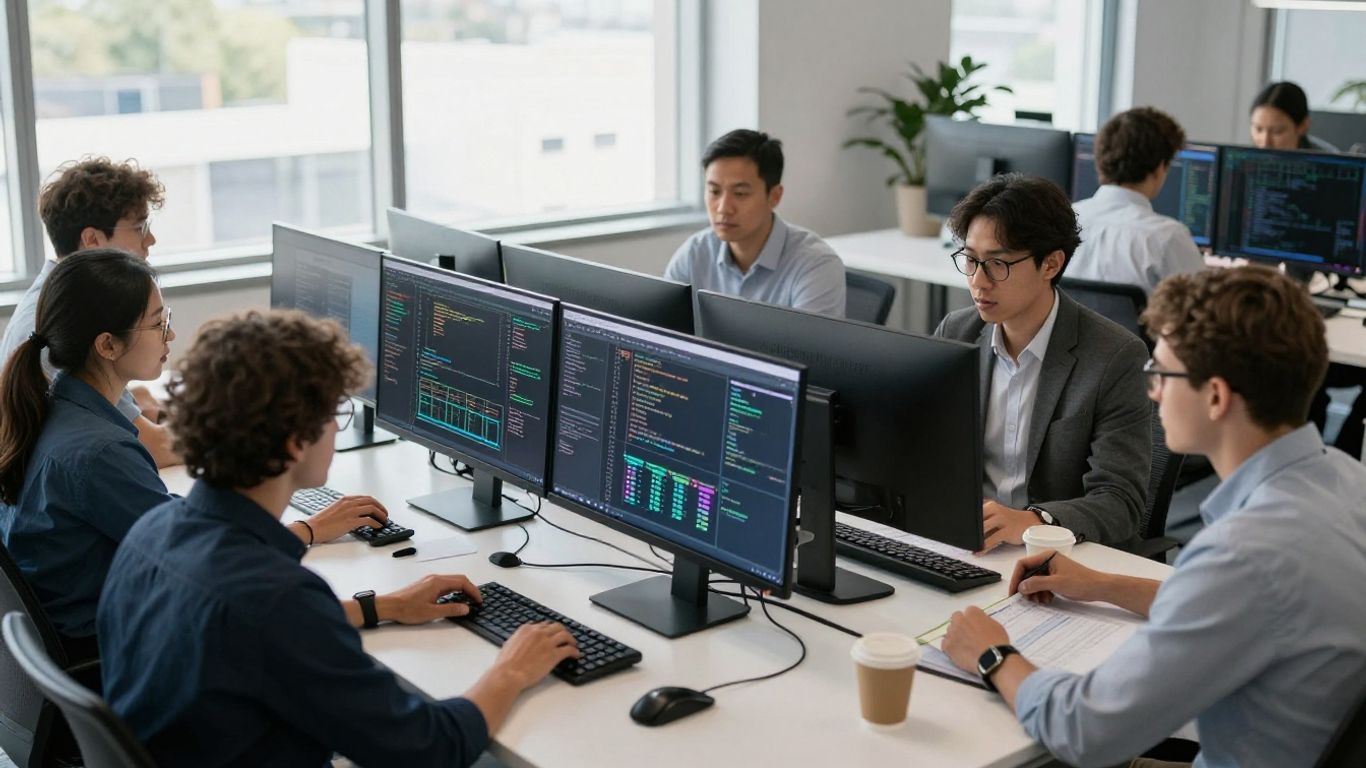
So, what actually makes an IT company tick and keep winning? It's not just about having the latest gadgets or a bunch of smart people. It's a mix of things working together. Think of it like a recipe; you need the right ingredients in the right amounts.
At its heart, any successful IT company relies on three main pillars: its people, its processes, and the technology it uses. You can have the most cutting-edge tech, but without skilled people to run it and solid processes to guide them, it's just expensive hardware. Likewise, great people can be held back by clunky, outdated ways of doing things or by technology that just doesn't cut it.
The real magic happens when these three elements are in sync. When people are empowered by good processes and supported by the right technology, that's when you see real progress and innovation.
Gone are the days of making big decisions based on a hunch. Today's top IT companies are all about data. They collect information on everything – how their products are used, what customers are saying, how their systems are performing, and market trends. This data then gets analyzed to figure out what's working, what's not, and where to go next. It's like having a map and a compass for your business journey. For example, understanding customer behavior through data can lead to better product features or more targeted marketing. This approach helps avoid costly mistakes and keeps the company on a path that's more likely to succeed. It's a core part of effective business management.
This might sound obvious, but you'd be surprised how often technology and business goals end up on different pages. A company's technology strategy shouldn't just be about adopting the latest tech for its own sake. It needs to directly support what the business is trying to achieve. Are you trying to expand into new markets? Improve customer service? Increase operational efficiency? Your tech choices should directly help you get there. For instance, if a company's goal is to reach more customers online, its technology strategy needs to focus on building robust web platforms, secure payment systems, and efficient digital marketing tools. It’s about making sure the technology is a tool that moves the business forward, not just a cost center.
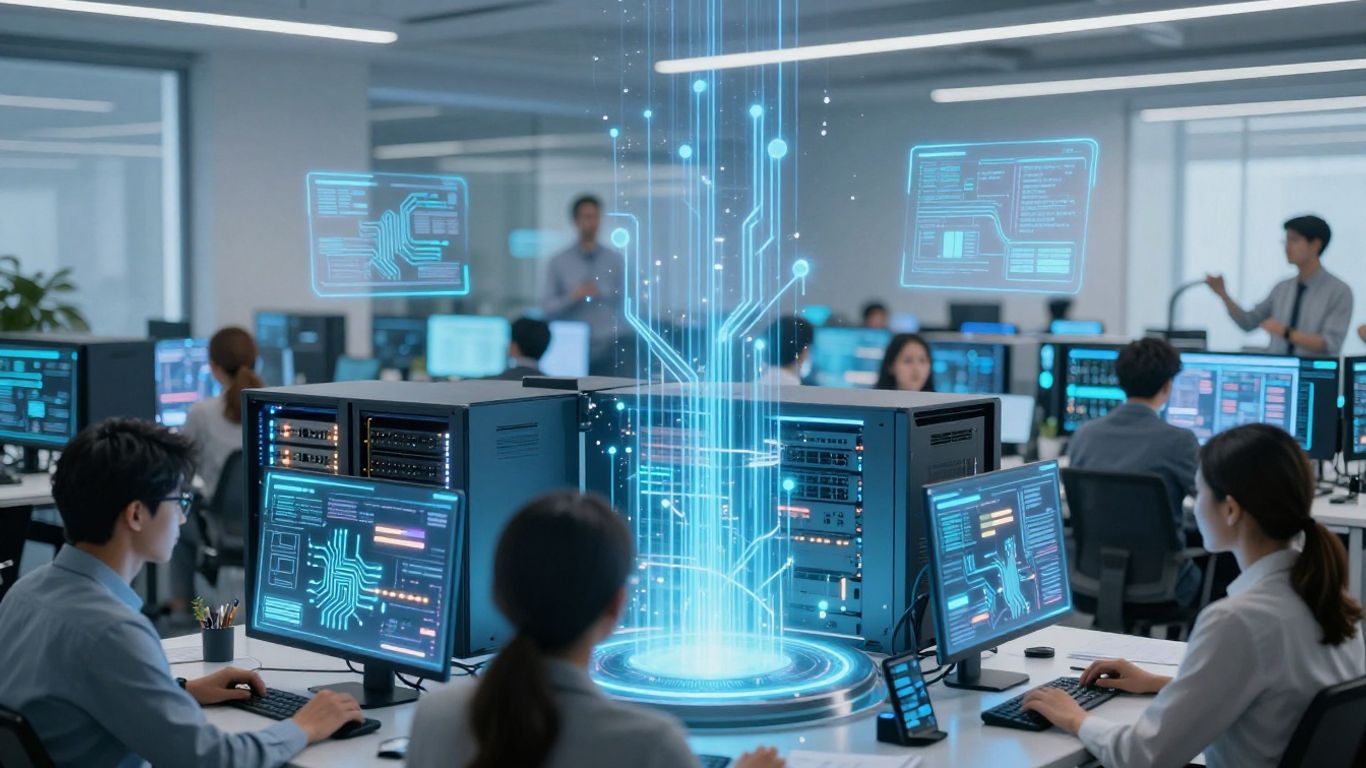
Sometimes, you hear about companies doing really cool, new things, and it makes you wonder how they even came up with it. It's not just about having a good idea; it's about actually making it happen and changing how we do things. Let's look at a few companies that really nailed this.
Amazon started as just an online bookstore, right? Pretty simple. But they didn't stop there. They looked at what people wanted and how they could make buying stuff online easier and better. They used data to figure out what you might like to buy next, which was pretty new back then. Plus, they built this whole system to get packages to your door fast. Now, they do way more than books – they're into cloud computing with AWS, streaming, and even groceries. It's wild how one idea grew into a giant.
They didn't just sell books; they built an entire ecosystem around buying and selling, constantly tweaking and adding new features based on what customers needed and what technology allowed.
Remember when everyone rented DVDs from stores? Netflix changed all that. First, they mailed DVDs to your house, which was already a bit different. But the real game-changer was streaming. They saw that people wanted to watch what they wanted, when they wanted, without leaving their couch. They invested heavily in technology to make streaming work smoothly and, importantly, used data to figure out what shows and movies people would love. That's why you get those spot-on recommendations.
Netflix proved that understanding customer habits and investing in new technology could completely upend an established industry.
Tesla is another company that just went for it. They decided electric cars weren't just a niche thing; they could be the future of driving. They focused on making electric cars desirable, with cool tech and good performance, not just eco-friendly. They also built their own charging network, which was a big deal because charging stations weren't everywhere. Plus, they keep updating their cars with new software, almost like a smartphone on wheels.
They didn't just build electric cars; they built a whole new vision for personal transportation, focusing on technology and user experience to make EVs mainstream.
The world of technology doesn't stand still, and neither does innovation within IT companies. What was cutting-edge yesterday is standard practice today, pushing companies to constantly adapt and explore new frontiers. It's a dynamic environment where staying ahead means looking at what's next and how it can be applied.
Think about how many devices around you are now connected to the internet. From your thermostat to your watch, the Internet of Things (IoT) has woven itself into our daily lives. For IT companies, this means a huge opportunity to collect data, make systems more efficient, and create smoother experiences for users. Smart homes are just the beginning; we're seeing connected systems in factories, cities, and even farms, all generating information that can be used to improve how things work.
While many people first think of cryptocurrencies, blockchain is much more than just digital money. This technology offers a secure and transparent way to record transactions and manage data. Companies are finding uses for it in tracking goods through supply chains, verifying identities, and managing digital records. It's about building trust and efficiency in systems where multiple parties need to share information reliably.
Cloud computing has become the backbone for much of today's IT innovation. It gives companies the flexibility to scale their operations up or down as needed, process massive amounts of data, and develop new services much faster than before. Instead of owning and maintaining their own hardware, businesses can rent computing power and storage, allowing them to focus resources on creating new products and services. This has made it easier for both large corporations and small startups to experiment and grow.
The continuous evolution of these technologies means that IT companies must remain agile. What works today might need a significant update tomorrow as new capabilities emerge and user expectations change. This ongoing adaptation is key to long-term success.
Here's a look at how these trends are impacting businesses:
These developments aren't just theoretical; they represent tangible shifts in how businesses operate and how we interact with technology every day.
So, what's next for IT companies? It feels like things are moving at warp speed, right? We're seeing a few big things really start to take hold, and they're going to change how businesses operate and what they offer.
Artificial intelligence and machine learning aren't just fancy terms anymore; they're becoming the engine behind a lot of what companies do. Think about it: AI is getting better at understanding patterns, making predictions, and even automating tasks that used to take people a lot of time. This means companies can get smarter about how they work, how they connect with customers, and how they create new things. It's not just about having a cool new gadget; it's about making businesses run better and faster.
The drive towards more intelligent systems means that companies that don't adopt AI will likely find themselves falling behind. It's becoming less of an option and more of a necessity for staying competitive.
People are paying more attention to the planet these days, and that's pushing companies to be more eco-friendly. This isn't just about looking good; it's about finding new ways to operate that are better for the environment. This could mean developing greener technologies, making supply chains more efficient to reduce waste, or even creating products that help consumers live more sustainably. It's a big shift, and companies that get it right can actually see better financial results too.
We're seeing the lines blur between our physical lives and the digital world. Things like the Internet of Things (IoT) are connecting everyday objects to the internet, collecting data, and allowing for new kinds of control and automation. Imagine smart cities where traffic lights adjust based on real-time conditions, or factories where machines talk to each other to optimize production. This blend of physical and digital is opening up a whole new set of possibilities for how we live and work.
These trends aren't just abstract ideas; they're actively shaping the IT landscape and will continue to do so for years to come. Companies that pay attention and adapt are the ones most likely to thrive.
So, what's the takeaway here? IT companies are basically the engines that keep our digital world humming. They build the software we use, manage the networks that connect us, and figure out how to make all this tech work better. It’s not just about coding in a basement anymore; it’s about solving big problems, big and small, for businesses and for us. Whether they’re creating the next big app or just making sure your email gets delivered, these companies are pretty central to how we live and work today. They’re constantly changing, too, so what they do now might look a little different even a few years down the line.
Think of an IT company as a business that works with computers and technology. They help other businesses use technology better, whether it's by creating software, managing computer systems, or offering advice on the best tech tools to use. They're basically the tech wizards for other companies.
They do a lot! They might build websites, create apps for your phone, help companies store their information safely in the cloud, or even develop smart systems that use artificial intelligence. Basically, if it involves computers and making things work smoothly, an IT company is likely involved.
Innovation is super important because technology changes so fast. IT companies need to constantly come up with new and better ways to do things. This helps their clients stay ahead of the game and use the latest cool tech to grow their own businesses.
Artificial Intelligence (AI) and similar tech, like machine learning, are like superpowers for IT companies. They can use AI to make software smarter, analyze lots of information quickly, and even predict what customers might want. This helps them create amazing new products and services.
Sure! Look at Amazon. They started as an online bookstore but used technology and data to become a giant in online shopping and cloud computing. Netflix also changed how we watch movies and shows by using streaming technology and smart recommendations, completely shaking up the old TV networks.
The future is exciting! We're seeing more and more 'smart' devices connecting through the Internet of Things (IoT), new ways to use blockchain (like for secure records), and cloud computing becoming even more powerful. Plus, AI will keep getting smarter, and companies are also thinking about how technology can be more eco-friendly.
Connect with us to explore our scalable solutions tailored to your unique needs and receive a personalized free quote.


