Explore video surveillance systems, from CCTV to AI-powered solutions. Learn about camera features, analytics, and emerging applications in this comprehensive guide.

Video surveillance has changed a lot. It's not just for big companies or police anymore. Now, even homes use cameras to keep things safe. For businesses, especially places like restaurants or stores, video surveillance is a big deal. It helps keep things secure and can even help make more money. This guide will look at how video surveillance works today and the new tech making it better.
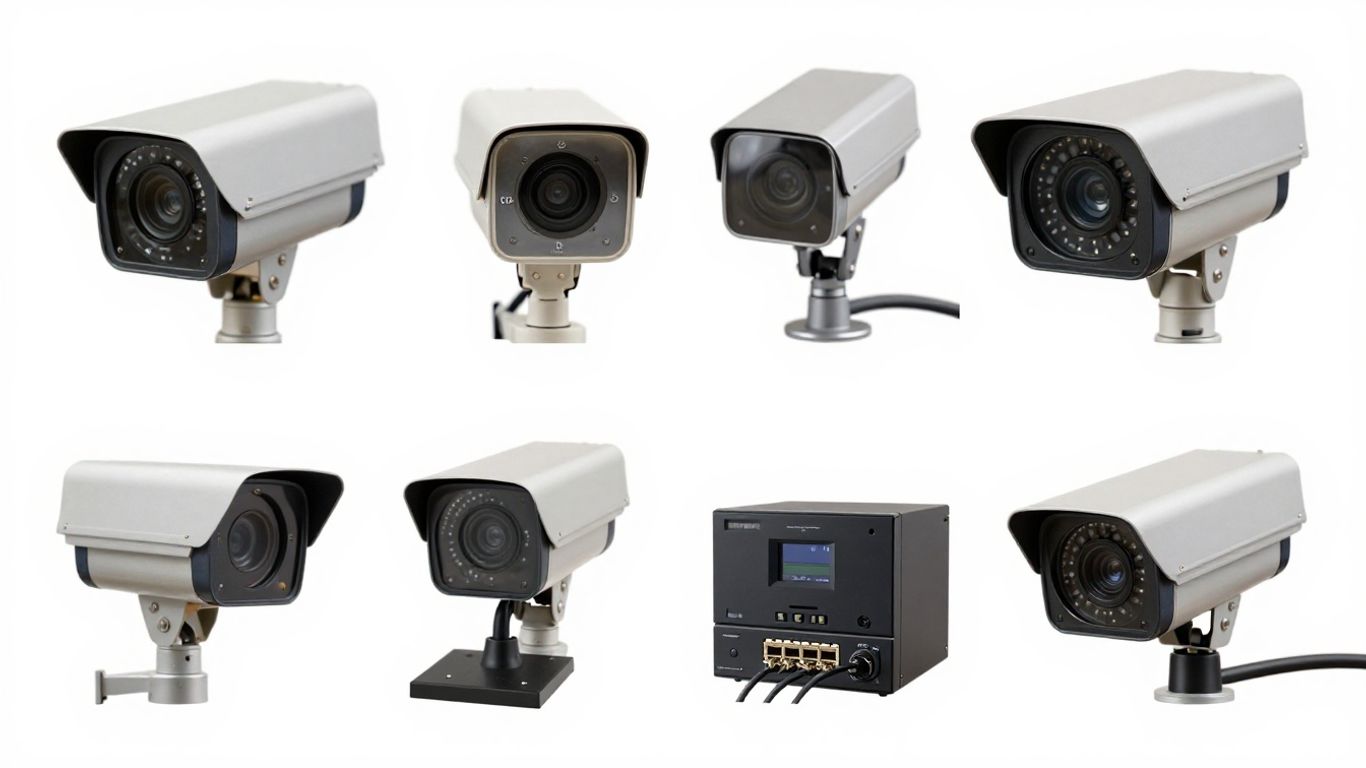
Video surveillance systems, often called CCTV or security cameras, are pretty much everywhere these days. They're basically the eyes and ears of a security setup, capturing what's happening so you can see it later or even watch live. Think of them as digital witnesses that help keep places and people safer. They give you video evidence and can even point out what's going on when something unusual happens. Modern systems, especially those connected to the internet and managed through the cloud, can really beef up your security game. You get features like checking in from your phone, smart analysis of the video, and instant alerts when something needs attention. A good video surveillance system is a big part of any business's plan to stay secure.
At its core, video surveillance is about watching and recording activity in a specific area. It's a key part of physical security. These systems provide visual records and insights that can be super helpful when investigating incidents. They range from older, analog setups to the latest internet-connected, cloud-based solutions that offer a lot more flexibility and power. The main goal is to deter unwanted behavior and provide evidence if something does go wrong.
There's a whole bunch of different cameras out there, each good for different jobs. You've got your dome cameras, which are pretty common and blend in nicely, often used for general monitoring inside or outside. Then there are bullet cameras, which are usually more visible and put on the outside to act as a deterrent, often with zoom capabilities for watching things from far away. For areas where you need to actively look around, PTZ (Pan, Tilt, Zoom) cameras are the way to go; you can move them remotely to focus on whatever catches your eye. There are also specialized cameras like fisheye lenses that give you a super wide view. Choosing the right type really depends on what you need to watch and where.
Here's a quick look at some common types:
When you're looking at cameras, think about the environment they'll be in and what you need to see. A camera that's great for a dimly lit hallway might not work well in a bright, sunny parking lot. Resolution, field of view, and whether you need night vision are all important factors.
Beyond just the type of camera, there are specific features that make them more useful. Motion detection is a big one; it means the camera only records or alerts you when something actually moves, saving storage space and your time. Wide Dynamic Range (WDR) is helpful for places with tricky lighting, like a doorway where it's bright outside but dark inside, helping to get a clear picture. Some cameras can even capture sound, which adds another layer of context. For places that deal with vehicles, license plate recognition (LPR) is a game-changer. And for privacy, features like privacy masking let you block out certain areas of the video feed. You can find out more about different camera options at various surveillance camera types.
Other important features include:
Video surveillance has really changed over the years. It wasn't that long ago that the main option was Closed-Circuit Television, or CCTV. These systems were pretty basic, using analog signals to send video from cameras to a monitor. Think of it like the old TV sets – bulky and with limited picture quality. They were reliable for their time, but managing them was a hassle. You'd often need dedicated equipment and a lot of physical space for all the recording gear. The first documented use of a security camera system was in 1942 in Germany, showing that the need for visual monitoring isn't exactly new.
CCTV was the go-to for security for a long time. It's a system where signals are transmitted directly from cameras to a limited set of monitors, not broadcast widely. This made it relatively secure for its era. However, the technology had its limits:
While CCTV laid the groundwork for modern surveillance, its limitations in terms of flexibility, storage, and accessibility paved the way for newer, more advanced technologies.
Then came the digital revolution, and video surveillance went digital too, with the rise of IP (Internet Protocol) security cameras. These cameras connect to your network, just like any other computer or smart device. This shift brought a ton of improvements. Suddenly, you could access your camera feeds from anywhere with an internet connection. Managing footage became much easier, and the video quality jumped significantly. IP cameras also opened the door for more sophisticated features, like two-way audio and advanced analytics, which were hard to implement with older analog systems. This made them a much more practical choice for businesses looking for better security solutions.
Today, we're seeing another big leap with cloud-managed video security systems. Instead of relying solely on on-site servers, these systems use the internet to store and manage video data in the cloud. This means less hardware to worry about on your premises – no more dedicated server rooms filled with blinking lights! It also makes scaling your system up or down much simpler. Need more storage? Just adjust your cloud plan. Want to check footage while you're on vacation? You can do that easily from your phone or laptop. This approach offers incredible flexibility and makes advanced video surveillance accessible even for smaller businesses that might not have the IT resources for complex on-premise setups.
Video surveillance has gotten a lot smarter, thanks to artificial intelligence. It's not just about recording anymore; AI is helping systems understand what they're seeing, making them way more useful.
Think of computer vision as giving cameras the ability to 'see' and interpret images and videos. It's like teaching a computer to recognize objects, people, and actions in real-time. This means your surveillance system can do more than just record; it can actively identify things happening.
This technology transforms passive recording into an active security and operational tool.
If computer vision is the 'eyes,' then machine learning and video analytics are the 'brain.' These systems learn from the data they process to find patterns and provide insights. Instead of just seeing motion, they can tell you how long a queue is, how fast service is, or if there's a spike in customer traffic.
Here's how it helps businesses:
Video analytics can turn raw footage into actionable business intelligence, helping managers make smarter decisions based on actual events rather than guesswork.
AI is powerful, but it's not perfect. Sometimes, AI systems can make mistakes, misinterpret situations, or even show biases. That's why having a human in the loop is super important, especially with surveillance.
It’s about using AI to do the heavy lifting, but having people oversee and guide the process to make sure it's fair and effective.
Modern video surveillance systems offer a lot more than just recording footage. They've packed in features that make them smarter and more useful for day-to-day operations and security.
This is pretty standard now, but it's worth mentioning. Motion detection means the camera only starts recording or sends an alert when it actually sees something move in its view. This saves a ton of storage space and makes it way easier to find what you're looking for later. Instead of sifting through hours of empty hallways, you jump right to the action.
LPR cameras are specialized. They're designed to clearly capture and read the license plates of vehicles. This is super handy for a few things: managing who can enter a parking lot, keeping track of vehicles coming and going, and even helping out law enforcement. It's like having an automated gatekeeper that logs every plate.
Sometimes, a camera needs to watch a general area, but you don't want to see specific private spots. Privacy masking lets you block out certain parts of the video feed. Think of windows into private offices or restrooms – you can blur those areas so they're not visible on the recording, respecting people's privacy while still keeping the rest of the area under watch.
What happens if someone tries to mess with your cameras? Tamper detection is built to alert you if a camera is covered, moved, or otherwise interfered with. This way, you know right away if your surveillance system might be compromised and can take action before any footage is lost or the camera is disabled.
Here's a quick look at how some of these features work:
These advanced features turn a simple recording device into an active security and operational tool. They automate tasks, reduce manual effort, and provide more specific, actionable information when you need it most. It's about making the surveillance system work smarter, not just harder.
So, you've got all these cameras recording, but what happens to all that video data? It's not just about having the footage; it's about how you store it, access it, and make sense of it. This is where data management and processing really come into play, and things have gotten a lot more interesting than just stuffing tapes into a VCR.
Remember those rooms full of servers humming away? For a lot of businesses, that's becoming a thing of the past. Cloud storage is a big deal now. It means you don't need a dedicated space for all your hard drives, and you can actually scale up or down your storage as needed. Think about it: if you suddenly need more space for footage, you just adjust your cloud plan. Plus, you can check in on your cameras from pretty much anywhere, which is handy if you manage multiple locations. It also means you can keep footage for longer periods, which is super useful if you ever need to look back at something that happened weeks or months ago – like a slip-and-fall claim or a theft. Some systems used to just delete footage after 90 days, leaving you with no proof if something happened later.
Getting video out of the system and to the right people is also getting easier. Modern systems often use common video formats, so you're not stuck with proprietary software that only works on one specific computer. Compression technology has also gotten way better. This means you can store more video without needing massive amounts of space, and it helps keep bandwidth usage down when you're sending footage over the internet. Sharing footage with, say, law enforcement or an insurance company is becoming less of a hassle.
Now, this is where things get really smart. While cloud storage is great for looking back at old footage, what about what's happening right now? That's where edge computing comes in. Instead of sending every single frame of video all the way to the cloud for analysis, edge computing processes some of that data right there, at the camera or a local device. This has a few big advantages:
So, you end up with a mix – cloud for long-term storage and remote access, and edge computing for real-time insights and quicker responses. It's a pretty neat combination.
The way video data is handled has changed dramatically. It's no longer just about recording; it's about intelligent storage, efficient access, and smart analysis. This shift means businesses can get more value from their surveillance systems, from spotting operational issues in real-time to having solid evidence when it's needed.
Here's a quick look at how these pieces fit together:
It's all about making the data work for you, not against you.
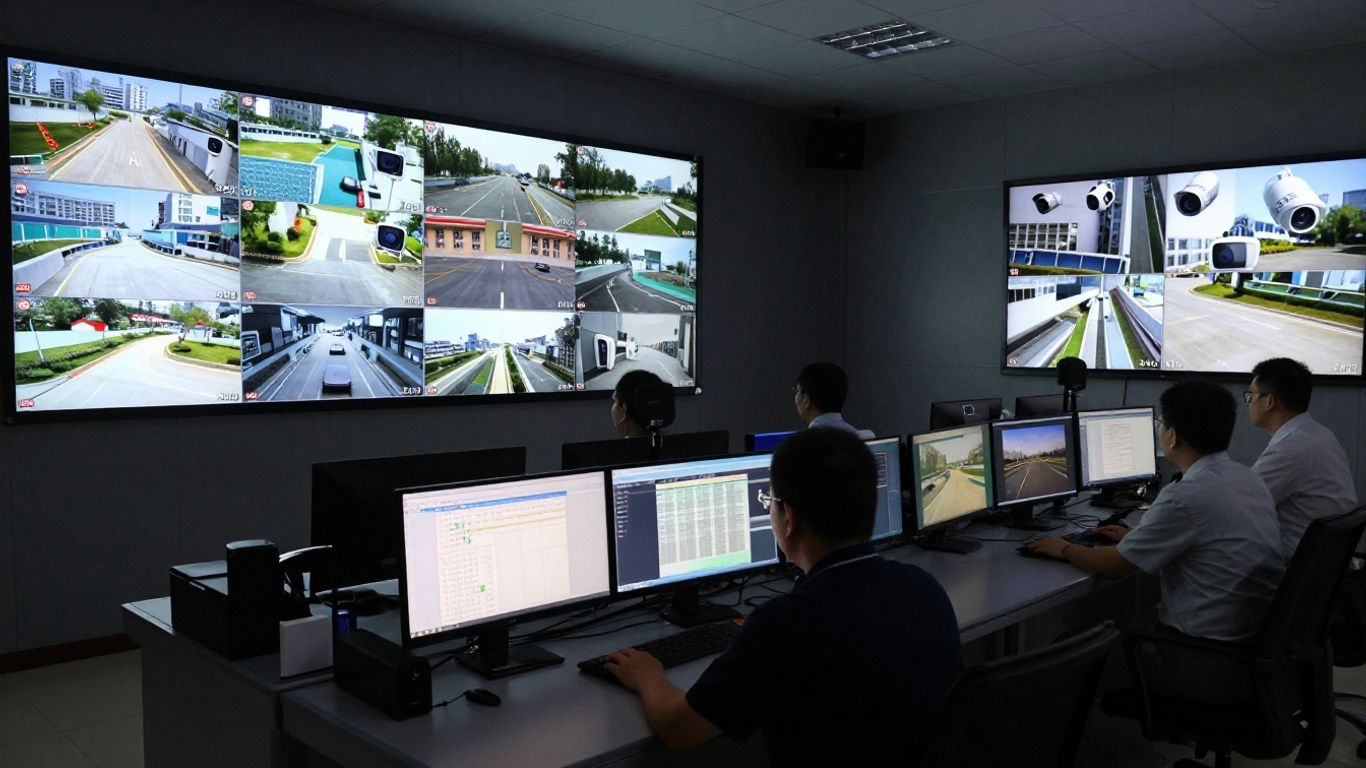
Keeping your video surveillance system safe and legal is a big deal. It's not just about catching shoplifters anymore; it's about protecting data and following the rules. Think of it like locking your doors – you do it to keep things safe, and there are laws about how you should do it.
With so much video data floating around, especially in the cloud, keeping it secure is a top priority. You wouldn't leave sensitive documents lying around, right? The same goes for your video feeds. Your surveillance provider needs to have solid security practices in place. This often means protecting customer information, like personal details, from getting into the wrong hands. It's smart to ask your provider what they do to keep your data locked down.
Laws about video surveillance can change depending on where you are. What's okay in one city or country might not be in another. These rules often cover things like:
It’s really important that your surveillance system and your provider understand and follow these local rules. Getting this wrong can lead to fines or other legal trouble.
Being upfront with people about cameras being used is just good practice, and often, it's the law. Most places require clear signage indicating that video surveillance is active. This lets customers and visitors know what to expect. It's a simple step that builds trust and helps avoid misunderstandings.
Keeping your surveillance system secure and compliant isn't just about avoiding trouble; it's about building a trustworthy operation. When you handle data responsibly and follow the rules, you show your customers and employees that you value their privacy and security. This can actually make people feel more comfortable, not less.
Here's a quick look at what to consider:
When most people think about video surveillance, they picture security cameras watching for shoplifters or keeping an eye on who's coming and going. And yeah, that's definitely a big part of it. But honestly, that's just scratching the surface these days. Modern video systems are doing way more than just acting as digital security guards. They're becoming tools to actually help businesses run better and even make employees' lives a bit easier.
Remember how overwhelming it was starting a new job? Trying to absorb all the new procedures and where everything is? Video surveillance can actually help with that. Think about it: you can record training sessions, create quick video guides for common tasks, or even use live feeds to show new hires how things are done in real-time. This means less time spent repeating instructions and more time for actual work. Plus, it gives new folks a reference point they can go back to whenever they need a refresher, without having to interrupt a busy colleague.
This is where things get really interesting. By analyzing video footage, businesses can spot bottlenecks they never even knew existed. For example, a restaurant could track how long it takes for orders to go from the kitchen to the customer, or a retail store could see which aisles are getting the most foot traffic (or the least!). This kind of data helps managers make smart decisions about staffing, store layout, or even inventory management. It's about using video to see where time and resources are being wasted.
Here are a few ways video analytics can boost efficiency:
The shift is from simply recording events to actively interpreting them. This means surveillance systems are becoming proactive tools, not just reactive ones. They help identify problems before they become major issues.
Beyond just spotting problems, video surveillance can also highlight great work. Imagine a system that can flag instances of exceptional customer service or an employee who consistently goes above and beyond. This information can be used to create positive reinforcement programs, recognize top performers, and boost overall team morale. It's a way to objectively measure and reward good performance, which can be a real motivator.
Different businesses have different needs, and surveillance tech is adapting. For instance, a manufacturing plant might use cameras to monitor safety protocols on the factory floor, ensuring workers are wearing the right gear. A retail store might focus on analyzing customer behavior to optimize product placement. Even something like a construction site can use cameras for progress tracking and security. The technology is flexible enough to be tailored to the unique challenges and goals of almost any industry.
So, you've got the tech sorted, or at least you're getting there. Now comes the part where you pick who's going to help you actually make it all work. Picking the right company to handle your video surveillance isn't just about finding someone with cameras; it's about finding a partner. Think about it – this system is going to be watching over your business, maybe for years. You want someone who gets it, someone you can rely on.
This isn't about just dropping off equipment and leaving. A "white glove" service means they handle everything from start to finish. They should be there to help you figure out exactly what you need, not just sell you the most expensive thing. This includes:
This level of attention means you can focus on running your business, not worrying about the technical details of your security.
Once the cameras are up and running, the job isn't done. Technology changes, and things can break. A good partner sticks around.
Keeping your surveillance system up-to-date and running smoothly is just as important as the initial setup. Neglecting maintenance can lead to gaps in coverage or security vulnerabilities, which defeats the whole purpose.
Your new surveillance system shouldn't be a standalone island. It needs to play nice with other systems you might have, and your team needs to know how to use it.
So, video surveillance has really changed a lot. It's not just those old clunky cameras anymore. Now, with smart tech like AI and cloud stuff, it's way more useful. But honestly, just having the tech isn't enough. You need a system that actually works for your specific business and keeps up with new ideas. It’s about finding a partner who knows the tech but also cares about helping you out. Think about a future where your cameras just make things run smoother, maybe even help you make more money or keep good employees happy. That future is pretty close, especially if you find the right people to work with on your surveillance.
Video surveillance is like having a security guard that's always watching. It uses cameras to record what's happening in a place to help keep people and things safe. Think of it as a digital eye that helps you see if something bad happens, like a theft or an accident, and gives you proof of what went down.
Yes, there are! Some cameras look like little domes and are good for general watching, often used inside or outside. Others are like long tubes, called bullet cameras, and are usually put outside to make people think twice before doing something wrong. Then there are special ones called PTZ cameras that can move around, zoom in, and tilt, so you can focus on exactly what you need to see.
Older systems, like CCTV, used cables and were a bit tricky to manage. Newer systems are 'IP' cameras, which means they connect to the internet. This makes them much easier to use, lets you watch footage from anywhere on your phone, and allows them to do smart things like send alerts when they see something unusual.
AI is like giving the cameras a brain! Instead of someone watching all the screens 24/7, AI can automatically spot important things like movement when no one should be there, count people in a line, or even recognize if a car is in the wrong spot. It helps systems understand what they're seeing in real-time.
It's not just for big businesses anymore! Lots of homes use cameras to watch for package thieves or check on kids. Businesses like restaurants, shops, and even gas stations use them to make sure things are running smoothly, keep customers safe, and catch problems early. It's becoming a common tool everywhere.
Keeping your video data secure is super important, especially when it's stored online. Good surveillance companies use strong security steps, like locking down the data, to protect it. They also have to follow rules about keeping personal information private. Plus, it's good practice to let people know cameras are being used, usually with signs.
Connect with us to explore our scalable solutions tailored to your unique needs and receive a personalized free quote.