What is the best alarm system for a commercial property? The best fit depends on the property, occupancy, monitored hazards, response plan, connectivity, and compliance requirements. A sound evaluation compares detection coverage, professional monitoring, alarm verification, access control, video integration, maintenance, and how alerts will be handled after hours.
Compare the best commercial alarm systems for 2026 by monitoring coverage, video verification, cloud management, access control, response procedures, and total operating cost. This guide explains what to evaluate before choosing a system for a single site or a multi-location business.

Keeping your business safe is a big deal, and the way we do it is changing fast. Things like smart tech and being able to check in from your phone are becoming super common. As we get closer to 2026, businesses are looking at alarm systems for commercial properties that can do more than just buzz when someone walks in. We're talking about systems that can think, learn, and connect, making your property more secure than ever. Let's check out what's new and what you should be thinking about for your business. HTS stocks Verkada alarm hubs and keypads for properties consolidating alarm and access control on one platform.
When it comes to securing a business, ADT has been a household name for a long time, and their commercial offerings are pretty solid. They provide a range of sensors, like the usual door and window contacts, motion detectors, and glass break sensors. They also have interconnected smoke alarms, which is a nice touch – if one goes off, they all do.
One thing that sets ADT apart for businesses is their camera system. Instead of the consumer-grade cameras you might see in home packages, they offer cameras built specifically for commercial use. These can record 24/7 to an on-site DVR, which is a big deal for businesses that need continuous footage for security or operational reasons, unlike some cloud-only options. This continuous recording capability is a major advantage for capturing everything from shoplifting to employee activity.
ADT really shines with its professional monitoring. They have a large network of 12 monitoring centers across North America. These places are built to keep running no matter what, with backup power and multiple communication lines. This means they're always watching your business, 24/7. They even have some unique features for businesses, like video escort for high-level employees entering or leaving the premises, and video guard tours where remote guards can check on your facility virtually at set times.
Here's a quick look at what you might expect:
ADT's commitment to professional monitoring is evident in their extensive infrastructure. The redundancy in their monitoring centers is designed to provide a high level of reliability, meaning they can continue to monitor your property even during major disruptions. This focus on continuous service is a key factor for businesses that cannot afford any downtime in their security coverage.
SimpliSafe has made a name for itself in the home security world, but it's also a solid option for businesses, especially smaller ones. Think of it as a no-fuss, DIY approach to keeping your commercial space safe. You can pick and choose the components you need, like door and window sensors, motion detectors, and even glass-break sensors. It’s pretty straightforward to set up yourself, which is a big plus if you’re trying to keep costs down.
The real draw here is the flexibility and affordability. You can get a basic system up and running for a couple of hundred dollars, and then add on professional monitoring for a monthly fee. This is a big change from some of the more expensive, professionally installed systems out there. For instance, their professional monitoring plans start around $22.99 per month, which is quite competitive.
Here’s a look at what their professional monitoring plans offer:
One really interesting feature is their Intruder Intervention, available with the Wireless Indoor Camera and the Core monitoring plan or higher. If an alarm is triggered, SimpliSafe agents can actually see what’s happening on the camera feed and use two-way audio to warn off intruders while they dispatch the police. It’s like having an extra layer of active defense.
While SimpliSafe is great for many small businesses, it’s not designed for complex operations. If you need advanced features like integrated access control for different employee entry times, you might find it a bit limited. It’s more about core intrusion and hazard detection than intricate building management.
For businesses that need reliable security without a huge upfront investment or complicated installation, SimpliSafe is definitely worth a look. It’s a practical choice that balances cost with effective protection.
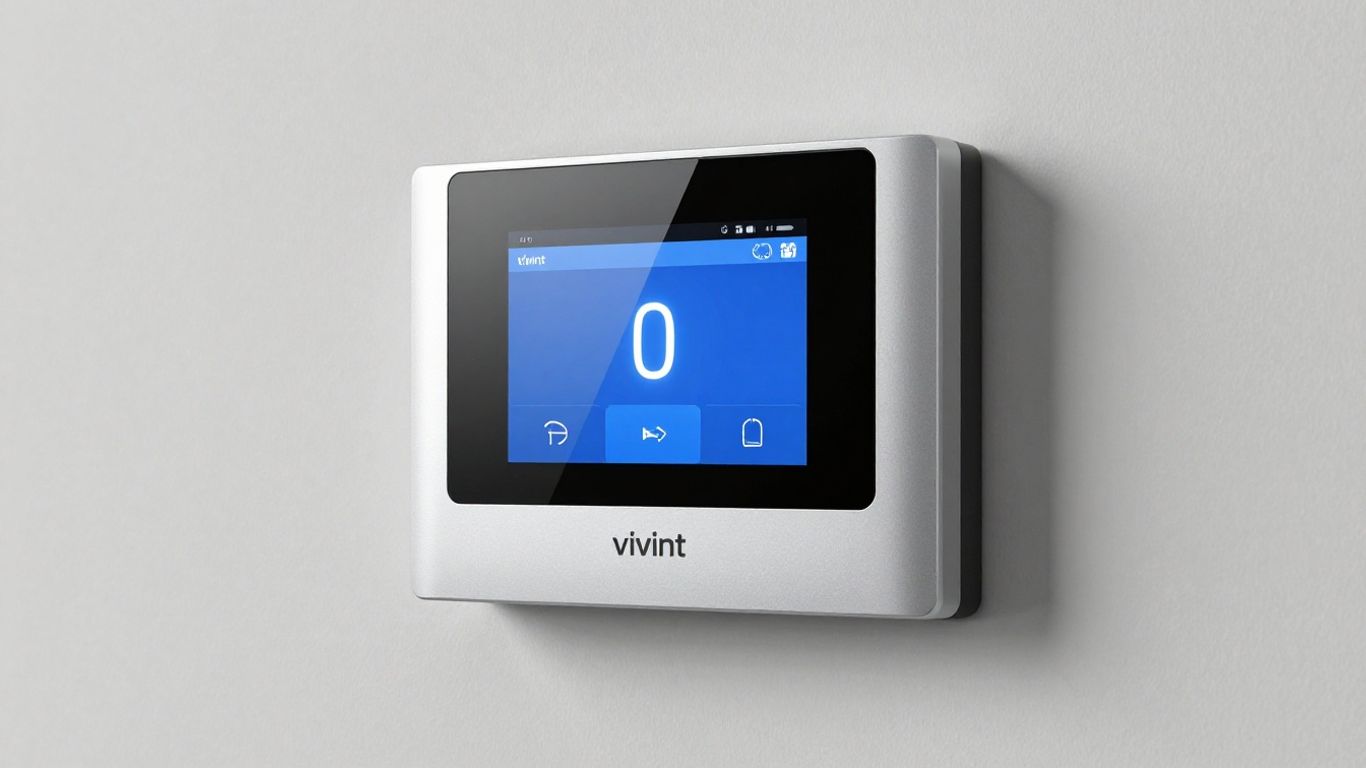
Vivint really steps up when it comes to business security, offering a pretty robust system that feels high-end. They're known for their smart home tech, and that translates well to commercial properties. Their system is built around professional installation and a personalized approach, which is a big plus for businesses that need something tailored.
When you go with Vivint, you're looking at a system that uses advanced tech. Think AI-powered cameras that can tell the difference between a person, a car, or even an animal. This means fewer false alarms and more accurate alerts. They also have features like two-way talk and spotlights on their outdoor cameras that can actively deter potential trouble before it even starts.
Here's a quick look at some of their camera options:
Setting up a Vivint system is a whole experience. They start with a professional assessment to figure out exactly what your business needs. Then, a licensed technician comes in for the installation. They don't just slap it up and leave; they explain how everything works and give you tips on the best placement for sensors and cameras. It’s a bit of a premium service, and honestly, it shows.
Vivint's strength lies in its integrated smart home capabilities, allowing for automation that goes beyond basic security. This can include linking lights, thermostats, and locks to your security events, creating a more responsive and secure environment for your business.
One thing to keep in mind is that Vivint systems require professional monitoring, and the costs can add up. While they offer financing, you'll likely be looking at a multi-year contract. It's definitely a higher investment compared to some DIY options, but for businesses that want top-tier features and a hands-off setup, Vivint is a solid contender. You can get a good overview of their business security solutions on their site.
Frontpoint offers a solid DIY security solution that's great for smaller businesses. Think of a boutique shop or a small office space rather than a huge warehouse. The setup is pretty straightforward, and we had our test system up and running in less than an hour. It uses wireless components, so you're not messing with a ton of wires.
One of the standout features is their backup system. The main hub can connect using Wi-Fi, but if that goes down, it automatically switches to a cellular signal. This means your business stays protected even if the office internet gets accidentally unplugged at the end of the day. They also have this "crash and smash" protection, which means if someone tries to break the main unit to disable it, the alarm still goes off. It’s a nice extra layer of security.
When it comes to equipment, Frontpoint has the usual suspects: door and window sensors, motion detectors, and smoke alarms. They also offer security cameras, which are powered by Alarm.com. These cameras give you clear 1080p video and night vision, and you can get local storage with an SD card, which is handy for keeping footage for evidence.
While Frontpoint doesn't have pre-made business packages, you can build your own system. It might seem a bit daunting, but their customer service is really helpful. We found them to be friendly and quick to answer questions, even late at night. They can guide you through picking the right gear for your specific office layout.
A small point to consider is the entry delay. When the alarm is triggered, there's a 30-second delay before the siren sounds. This is to give you time to disarm it if you accidentally set it off. However, for a business, this could be a window for a thief. You can bypass this by arming in "STAY" mode, but that's not ideal when the office is empty.
Overall, Frontpoint is a good choice if you're comfortable with a DIY setup and have a smaller commercial space. The monitoring plans are straightforward, with a maximum of $49.99 per month, and they have two monitoring centers for backup. It’s a reliable system with excellent customer support.
Lorex is a name you might recognize, and for good reason. They've been around, making solid security cameras that work well for both homes and businesses. For commercial properties, Lorex really shines with its video surveillance systems. You can get cameras with super high resolutions, like 4K, and some even have a really wide field of view, up to 180 degrees. This means fewer cameras might be needed to cover a large area.
One of the big draws for businesses is the cost structure. Lorex systems often record locally to a DVR or NVR, which means you don't necessarily have to pay monthly fees for cloud storage. You buy the equipment, and that's pretty much it, aside from the initial investment. Bundles can start pretty affordably, though more advanced systems with more cameras can climb in price. It's a good idea to check out their business security solutions if you're looking for options tailored to commercial needs.
Lorex doesn't offer professional monitoring services. This is something to keep in mind. If you don't have your own security staff on-site to watch the feeds, you'll be responsible for reviewing footage yourself. This might be a dealbreaker for some businesses.
When it comes to installation, most Lorex cameras are wired. This can sometimes be a bit of a project, especially if you're doing it yourself. You'll need to connect cameras to a DVR or NVR, which then connects to your network. However, they do offer Power over Ethernet (PoE) options, which simplifies things by using a single cable for both power and data. They also have Wi-Fi models if running cables is just not feasible for your setup.
Here's a quick look at some features you might find:
Artificial intelligence is really changing the game for business security systems. Forget those old alarms that just went off when something moved. AI systems are smarter. They use algorithms to look at a lot of information from cameras, sensors, and other devices. This helps them figure out what's actually a threat and what's just a cat walking by.
AI can learn and adapt, making your security system more accurate over time. It's like having a security guard who gets better at their job the longer they work.
Here's how AI is making a difference:
AI-powered systems are becoming a standard for businesses that need top-notch security. They offer a level of intelligence and automation that older systems just can't match, helping to keep your property safer.
Industries like retail, healthcare, and manufacturing, which often deal with high traffic and valuable assets, are finding AI alarm systems particularly useful. The ability to process large amounts of video data and identify anomalies in busy environments is a big plus.
Moving your business security to the cloud is a pretty big deal, and honestly, it makes a lot of sense for most places these days. Instead of having all your security data stuck on a server in your office, it lives online. This means you can check in on things from anywhere, really. The biggest win here is remote access; you're not tied to a specific location to see what's happening.
Think about it: if an alarm goes off at 2 AM, you can pull up the live camera feed on your phone without having to rush back to the office. This kind of flexibility is a game-changer, especially if you manage multiple properties or have staff working off-site. It also means that if someone were to break into your office and damage the local equipment, your security footage and data are still safe and sound in the cloud. It's like having a backup that's always on.
Here’s a quick look at what cloud monitoring brings to the table:
Cloud systems also play nice with other smart devices. This means your alarm system can connect with things like smart locks or even environmental sensors, giving you a more complete picture of your property's safety all managed from one spot. It's about making security work for you, not the other way around.
Setting up these systems often involves working with a professional installation company to make sure everything is connected properly. This ensures you get the most out of your cloud-based access control systems and that your business is protected effectively.
These days, you can't always be at the office. That's where mobile alarm apps come in handy. They let you manage your business's security right from your phone or tablet. Think about it: arming or disarming the system, checking live camera feeds, or getting instant alerts if something's up – all from wherever you are. It's a big change from needing to be physically present to handle security matters.
Here’s what these apps typically let you do:
Having this kind of control in your pocket means you can react quickly to potential issues, even when you're miles away. It offers a lot of peace of mind for business owners who travel or manage multiple locations. The interfaces are usually pretty straightforward, making it easy to get a handle on things without a steep learning curve.
For instance, if you're managing several stores, you can check in on each one through a single app. This makes overseeing security across different sites much simpler. It's about staying connected to your property's safety, no matter your physical location.
When it comes to protecting your business, having eyes on your security system 24/7 is a big deal. That's where professional monitoring comes in. Instead of relying on you or your staff to see an alert and then call for help, a dedicated team does it for you. They're trained to handle alarms, verify what's happening, and then contact the right people, like the police or fire department, if there's a real emergency.
This service acts as an always-on security guard for your property, but at a fraction of the cost of hiring actual guards. For most small to medium businesses, this is a much more practical and affordable way to get that constant peace of mind. You don't have to worry about missing a notification while you're busy or away.
Here's a quick look at why it's so beneficial:
The core idea is that you're outsourcing the immediate reaction to a potential threat. This team is equipped and ready to act, making sure that help is dispatched quickly and efficiently when it's needed most. It's about having a reliable safety net that works even when you can't be there yourself.
While some systems might let you monitor things yourself, professional monitoring really steps up the game for businesses that can't afford to miss a beat. It's a smart move for anyone serious about safeguarding their assets and ensuring business continuity. You can explore some of the top commercial security system companies for 2026 to see which ones offer this vital service here.
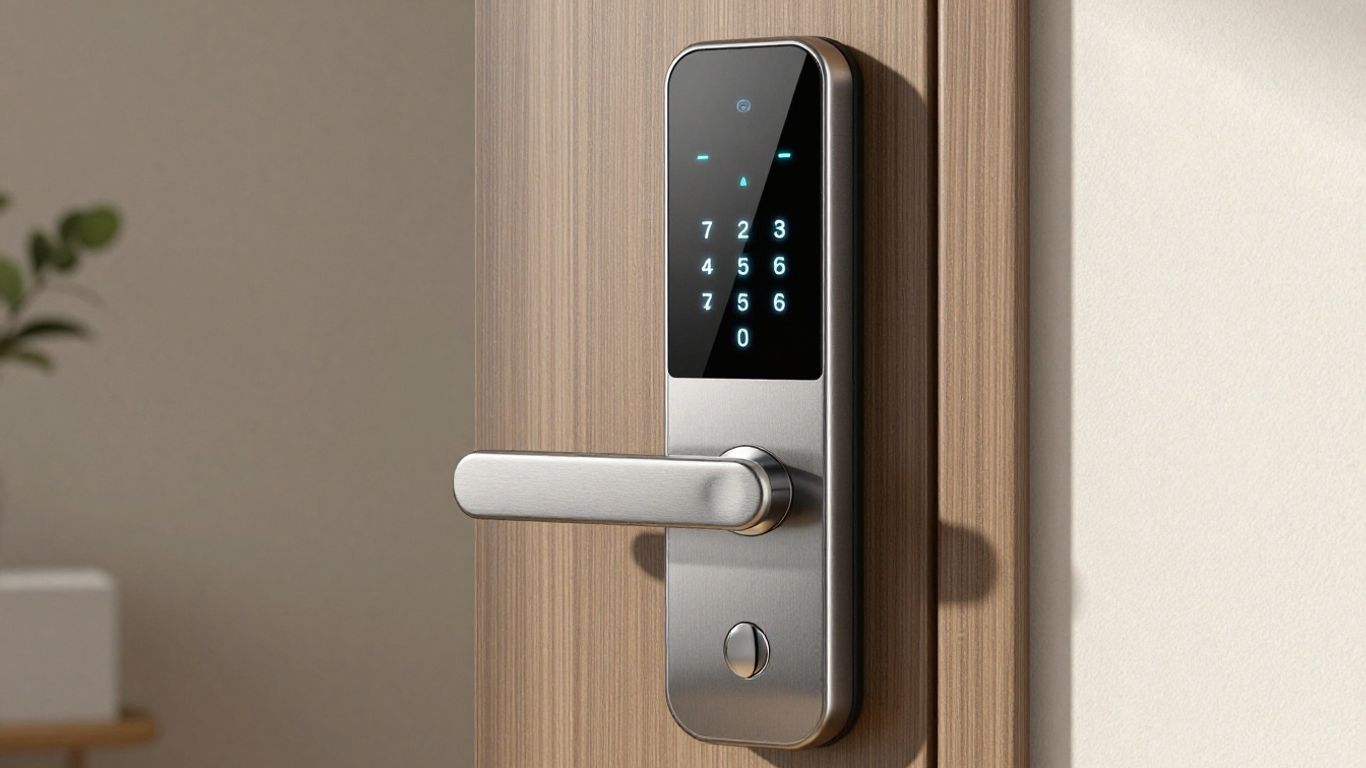
Forget about fumbling with keys or worrying about lost ones. Smart locks are changing the game for commercial properties, offering a much more modern way to control who gets in and out. They replace traditional key-and-lock mechanisms with digital access, like keypads, card readers, or even smartphone apps. This means you can grant or deny access remotely, which is super handy if an employee forgets their code or if you need to quickly lock down a specific area.
Think about the benefits:
These systems often integrate with your broader security setup. You can link them to your alarm system or security cameras, so when a door is accessed, the cameras start recording, or the alarm is disarmed automatically.
While the initial setup might seem a bit more involved than just changing a deadbolt, the long-term security and convenience are hard to beat. Plus, you can often set up temporary access codes for visitors or contractors, which expire automatically after a set period. It really streamlines operations and adds a significant layer of protection.
Some advanced systems even use two-factor authentication, requiring a code and a fingerprint, for really sensitive areas. It's a big step up from a simple key.
So, as we've seen, keeping your business safe in 2026 is all about staying current. The old ways of just having a basic alarm aren't really cutting it anymore. Things like AI for smarter threat spotting and being able to check in on things from your phone are becoming pretty standard. It might seem like a lot to take in, but picking the right system now means fewer headaches down the road. Think about what your business really needs and don't be afraid to ask questions. Getting a good security setup is a big deal, but it's definitely worth it for peace of mind.
A great business alarm system for 2026 should offer more than just loud noises. It needs to be smart, keeping a close eye on things with clear cameras and giving you alerts right on your phone. Think of it as a digital guardian that can tell the difference between a delivery person and someone trying to break in, and it should be easy to manage from anywhere.
Yes, professional monitoring is highly recommended. While you might have security guards, they can't be everywhere at once. Professional monitoring means a team of trained people are watching your business 24/7. If something happens, they can quickly check and send help, like the police or fire department, even if you're not around.
While it's not common, it's possible for security systems to be hacked. To lower this risk, always use strong, unique passwords for your system and any connected apps. Also, be careful about who you hire and give access to your systems.
AI makes alarm systems much smarter. It can learn normal patterns and spot unusual activity that might mean trouble, like someone hanging around a restricted area for too long. AI can also help reduce false alarms by better understanding what's happening, leading to quicker and more accurate responses.
Cloud-based systems let you manage your security from anywhere with an internet connection. Instead of storing everything on local equipment, your security data, like camera footage, is kept safely online. This makes it easy to access and update your system, and it's great for businesses with multiple locations or those that need flexibility.
Generally, you don't need special permission, but there are rules. Avoid recording private areas like restrooms. Make sure to let your employees know they are being recorded. It's also a good idea to check local laws to make sure you're following all the guidelines.
Connect with us to explore our scalable solutions tailored to your unique needs and receive a personalized free quote.