Explore essential physical security systems for 2026. Learn about access control, surveillance, and future trends to protect your assets.

Keeping things safe and sound is a big deal, right? Whether it's your home, your business, or just your stuff, making sure it's protected from unwanted visitors or damage is key. We're talking about physical security systems – the locks, the cameras, the alarms, and all that jazz that keeps things from going missing or getting messed up. It might sound simple, but in today's world, it's gotten pretty complicated. This guide is here to break down what you need to know about physical security systems in 2026, so you can rest a little easier.
So, what exactly is physical security? At its heart, it's all about protecting people, places, and things from harm or unauthorized access. Think of it as the first line of defense, the actual walls, locks, and eyes that keep unwanted visitors out and your valuable stuff safe. In today's world, where digital threats get a lot of attention, we can't forget about the physical stuff. A hacker might try to steal data from your computer, but someone could also just walk into your office and take the server. Physical security is there to stop that. It's not just for big corporations either; it applies to your home, your small business, or even a community center. It's the bedrock of safety.
It might seem like everything is online these days, but physical security is more important than ever, especially with all the digital stuff we rely on. Your servers, your data centers, the actual computers and network equipment – they all exist in a physical space. If someone can get into that space, they can cause a lot of damage, whether it's stealing hardware, cutting cables, or even just unplugging things. So, while we're busy with firewalls and passwords, we also need to make sure the doors to the server room are locked and that there are cameras watching. It's about protecting the physical foundation that our digital world is built on. Without solid physical security, your digital defenses are only half as strong.
When you're setting up a physical security system, you're usually aiming for a few main goals. It's not just about putting up a fence and calling it a day. You want to create a system that actively works to keep things safe. Here are the main things you're trying to achieve:
Building a strong physical security setup is like building a layered defense. Each layer has a job, and they all work together. If one layer fails, the next one is there to pick up the slack. It's about creating a system that's tough to get around and quick to react when needed.
Alright, so we've talked about why physical security matters. Now, let's get down to what actually makes up a solid system in 2026. It's not just one thing; it's a mix of different parts working together to keep your stuff safe. Think of it like building a fortress – you need strong walls, but you also need ways to control who gets in and what's happening inside.
This is all about making sure only the right people get into certain areas. You know, like not letting just anyone wander into the server room or the executive offices. We're way past just simple locks and keys these days. Modern systems use things like key cards, fobs, or even your fingerprint or face to grant access. It’s about creating layers of entry, so even if someone gets past the front door, they can't just waltz into every room.
Here are some common ways we control who goes where:
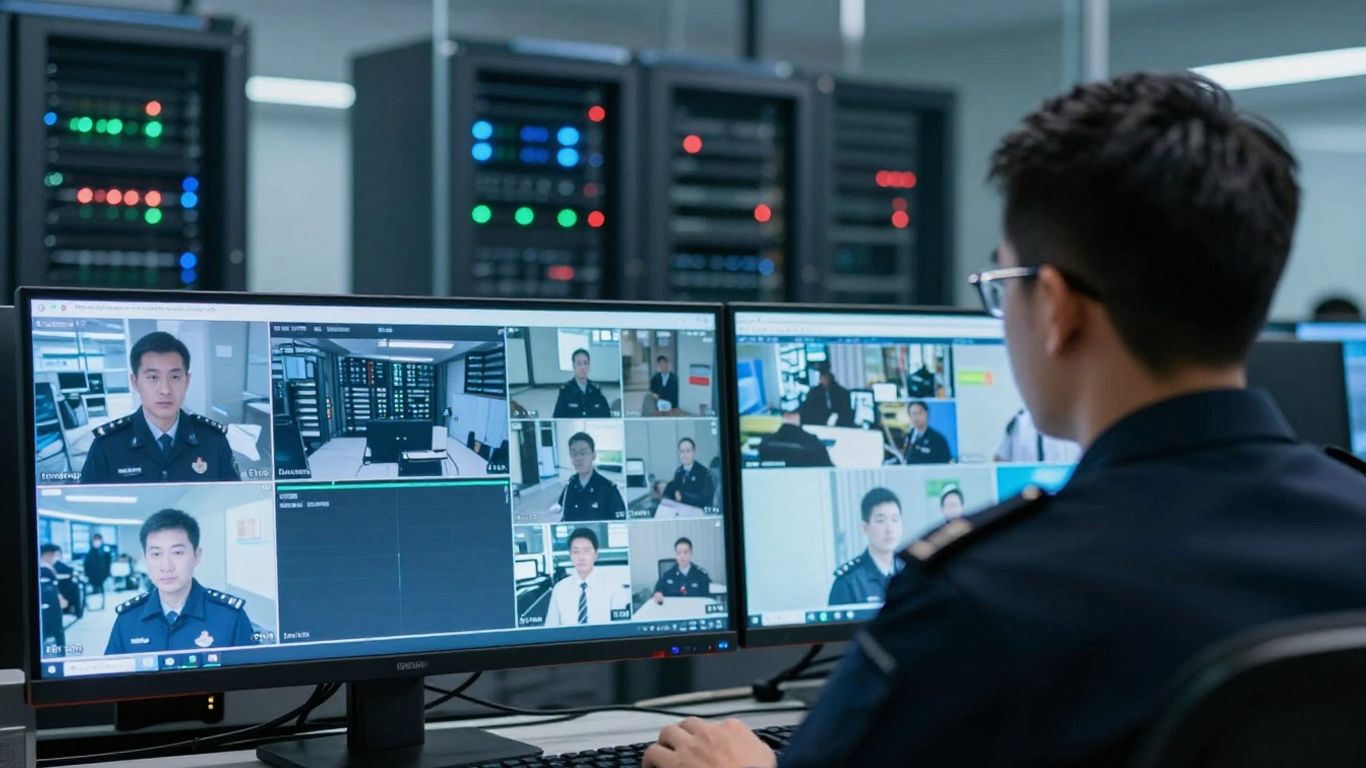
This is your eyes and ears on the ground, 24/7. Surveillance systems, like advanced CCTV and IP cameras, watch over your property. They're not just for catching bad guys after the fact; they're also a big deterrent. Seeing cameras often makes people think twice before doing something they shouldn't. Plus, with today's tech, you can often monitor feeds remotely, getting alerts if something looks off.
These systems are designed to alert you the moment something goes wrong. Think motion sensors, door and window contacts, and glass break detectors. If any of these are triggered when they shouldn't be, an alarm goes off, and usually, a notification is sent to your security team or even the authorities. The speed of detection and response is key here.
These systems work best when they're layered. A motion sensor inside might catch someone who bypassed a door contact, and a camera watching that area can confirm the alert. It's all about creating multiple points of detection.
Sometimes, the simplest solutions are the most effective. Physical barriers are the actual structures that stop people or vehicles from getting where they shouldn't. This includes everything from sturdy fences and gates around your property to reinforced doors, windows, and even bollards to prevent vehicle ramming attacks. They're the first line of defense, designed to make unauthorized entry difficult and time-consuming. A well-placed fence or a solid steel door can stop a lot of problems before they even start.
Even with the best tech, you've got to think about what could actually go wrong. Physical security isn't just about stopping random people from wandering in; it's about having a plan for a whole bunch of different problems. We're talking about everything from someone trying to swipe something valuable to more serious stuff like vandalism or even workplace issues.
Unauthorized entry is a big one, right? It's not just about someone walking through an unlocked door. People can try to sneak in by following others (that's called tailgating), using stolen keycards, or even tricking your staff. Once they're in, theft becomes a real possibility. High-value items, equipment, or even sensitive documents can be targets. The key here is layered security, making it harder for anyone to get where they shouldn't be. This means strong access controls, like keycards or even biometrics, combined with good surveillance. Think about it: if someone tries to tailgate, a guard or even a well-placed camera can spot it. For theft, having cameras in areas with valuable assets is a no-brainer. It's about making the risk of getting caught too high for potential thieves.
Vandalism can be a real headache. It's not always about stealing; sometimes, it's just about causing damage. This can disrupt operations, cost a lot to fix, and frankly, make the place look bad. Graffiti, broken windows, or damaged equipment all fall into this category. To deal with this, visible security measures really help. Things like good lighting around the perimeter, sturdy fencing, and yes, those security cameras again, can make vandals think twice. If damage does happen, having a quick way to report it and get it fixed is important, but preventing it in the first place is always better. Sometimes, even simple things like keeping the property tidy can reduce opportunities for damage.
Beyond human threats, you also have to consider environmental issues. Think about fires, floods, or even severe weather. Having systems in place to detect these early, like smoke detectors or flood sensors, is vital. It's also about having clear emergency plans, like evacuation routes and procedures, so everyone knows what to do if something goes wrong. Then there's the issue of workplace violence. This is a sensitive topic, but it's a real concern. It means creating a safe environment for everyone, which can involve everything from good communication channels for employees to report concerns, to having security personnel present, and having clear protocols for dealing with aggressive behavior. It's about making sure your security plan covers not just external threats but also internal safety concerns.
Physical security is a constant balancing act. You need to be tough enough to stop threats but also flexible enough to handle unexpected events. It's not just about locks and cameras; it's about people, procedures, and being prepared for a wide range of scenarios. Thinking about these common threats helps you build a more solid defense system for your assets and your people.
Physical security isn’t just about locked doors or guards anymore. With all the new tech, what used to be simple has turned into a multi-layered process. Adding cutting-edge tools doesn’t just reduce manual work, it also makes spotting and handling risks a lot faster and less prone to mistakes. Here’s how technology is changing the game for keeping assets safe in 2026:
Artificial intelligence is showing up everywhere in security—it's not just a buzzword now. Security systems can now scan hours of video footage in seconds, flagging things that humans would definitely miss (or just get tired of watching for). Some reasons why AI is getting attention:
AI isn't replacing humans in security, but it’s quickly becoming the most reliable assistant for day-to-day monitoring and threat response.
A lot of security systems are now tied into the cloud. This offers more flexibility, easier updates, and often a lower cost spread out over time. Some key improvements cloud brings:
Security cameras and sensors have come a long way. They’re not just standard cameras stuck in the corner anymore:
Good sensors and smart cameras mean you don’t have to choose between more eyes on the ground and budget. They do a lot of the heavy lifting for a fraction of the cost of extra security guards.
If you’re serious about protecting your business or building in 2026, ignoring tech advancements just isn’t an option. Mixing older ideas—locks, gates, and guards—with these new tools makes a much tighter and more responsive security system.
Before you even think about buying new locks or cameras, you gotta figure out what you're actually trying to protect and from whom. That's where a risk assessment comes in. It's basically a deep dive into your place, looking for weak spots. Think about what's most important – is it sensitive data, expensive equipment, or just keeping people safe? Then, consider the threats. Are you worried about random break-ins, disgruntled employees, or maybe even a natural disaster? You need to list out all the bad stuff that could happen and then figure out how likely it is and how bad it would be if it did. This isn't just a one-and-done thing, either. Things change, so you should be doing these assessments regularly.
Here's a quick way to think about it:
A good risk assessment isn't about being paranoid; it's about being prepared. It helps you spend your security budget wisely, focusing on the real problems instead of chasing ghosts.
Look, fancy tech is great, but it's not a magic bullet. The best security plans mix the latest gadgets with good old-fashioned human effort. Think of it like this: cameras are awesome for watching, but you still need someone to actually watch the cameras or respond when something happens. So, you might have smart locks that let you control who gets in from your phone, but you also need clear rules about who gets a keycard and what happens if one is lost. It’s about making sure the tech and the people work together, not against each other. For example, an alarm system might go off, and then a security guard needs to check it out. Or, surveillance footage might catch someone doing something they shouldn't, and then HR or management needs to follow up.
Here’s a breakdown of how they fit:
Once you've figured out your risks and decided on your tech and people strategy, you need to write it all down. This is where policies and procedures come in. They're like the rulebook for security. Everyone needs to know what they're supposed to do, especially during an emergency. This includes things like how to report a suspicious person, what to do if a fire alarm goes off, or who is allowed to access certain areas. If you don't have clear rules, people will just do what they think is best, and that can lead to chaos. Training is a big part of this, too. You can't just hand out a policy manual; you need to make sure people actually read it and understand it. Regular drills, like fire drills or lockdown drills, help make sure everyone remembers what to do when the real thing happens. It’s all about making sure everyone is on the same page and knows their role in keeping the place safe.
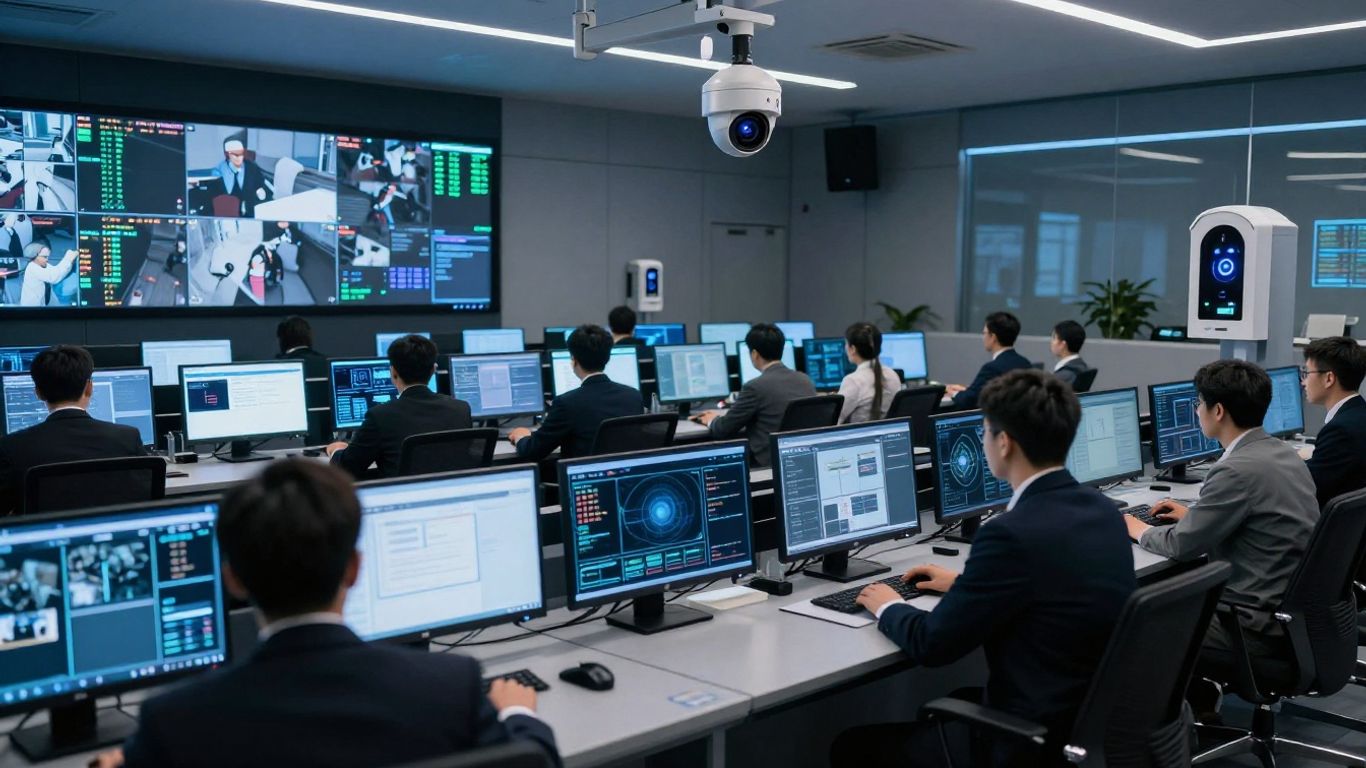
The landscape of physical security is always shifting, and by 2026, we're seeing some pretty interesting developments. It's not just about locks and cameras anymore; technology is really changing the game. Automation is becoming a bigger deal, meaning systems can react faster to potential problems. Think about it – instead of waiting for someone to notice an alert, the system itself can initiate a response, like locking down an area or notifying authorities. This speed can make a huge difference when seconds count.
We're also seeing a big push towards more advanced ways to verify who's who. Biometric authentication, like fingerprint or facial recognition, is moving beyond just high-security areas and becoming more common for everyday access. It's a more secure way to control entry compared to traditional keys or keycards, which can be lost or stolen. This ties into the broader idea of how physical security is becoming more integrated with cybersecurity. The lines are blurring, and a breach in one area can easily impact the other. Protecting digital assets now often means securing the physical spaces where that data is stored or accessed.
Here are a few key areas to watch:
The increasing complexity of threats means that physical security systems need to be more adaptable. Relying on a single type of defense just isn't enough anymore. A layered approach, combining different technologies and strategies, is becoming the standard for effective protection. This is especially true as geopolitical shifts influence how security is managed, pushing for more resilient and nationally controlled solutions sovereign-ready solutions.
It's also worth noting how cloud technology is making these advanced systems more accessible. Businesses can manage and monitor their security from anywhere, and the systems can scale up or down as needed. This makes robust security more attainable for a wider range of organizations, not just the biggest corporations. The goal is to create a more intelligent, responsive, and interconnected security posture for whatever comes next.
So, we've gone over a lot of ground about keeping things safe and sound. It's clear that physical security isn't just about locks and cameras anymore, though those are still super important. It's a whole system, really, working together to keep people and stuff out of harm's way. Thinking about what could go wrong and putting the right measures in place, whether that's a simple alarm or a fancy new AI system, is just smart. Don't wait for something to happen; take a look around your place, figure out what needs better protection, and get it done. Your peace of mind, and the safety of what you care about, is worth the effort.
Think of physical security as the locks on your doors, the fences around your yard, or the security cameras watching your property. It's all about using real-world stuff and actions to keep people, places, and valuable things safe from harm, theft, or damage. It’s the first step in protecting what’s important.
Even with all our cool gadgets and online stuff, physical security is super important. It’s like having a strong front door for your house. While computers protect information online, physical security protects the computers themselves, the people using them, and the buildings they are in. They work together to keep everything safe.
The main goals are pretty straightforward: stop people who shouldn't be there from getting in, make sure valuable items and information don't get stolen or broken, and most importantly, keep everyone safe. It’s about preventing bad things from happening in the first place.
People might try to sneak in, steal keys or badges, trick others into letting them in (that's called social engineering), or even break things like windows or doors. Sometimes, they might try to damage property on purpose, like through vandalism.
Technology is adding some awesome upgrades! We're seeing smart cameras that can spot unusual things, systems that use your face or fingerprint to let you in (biometrics), and even AI that helps security systems learn and react faster. Plus, systems are getting connected to the cloud, making them easier to manage from anywhere.
First, figure out what you need to protect and what dangers are most likely. Then, think about how to stop those dangers, like using strong locks, cameras, or alarms. It’s also smart to have clear rules for everyone and know what to do if something bad does happen. Combining technology with good old-fashioned common sense is usually the best approach.
Connect with us to explore our scalable solutions tailored to your unique needs and receive a personalized free quote.