Explore the 9130's versatility: from Cisco access points to agricultural power, networking, and more. Discover its advanced features.

So, the 9130. It's one of those pieces of tech that pops up in a lot of different places, and honestly, it's kind of surprising. You might think of it as just another network thing, maybe for Cisco access points, but it turns out it does way more. We're talking about everything from how it talks to other machines to how it fits into farming equipment. It’s pretty wild how one system can be used for so many different jobs, and that’s what we’re going to look at here.
Let's start by getting a handle on what the 9130 is all about at its heart. It's not just one thing; it's a system designed with a lot of flexibility in mind. Think of it as a central hub that can talk to a lot of different devices and process information in various ways.
The 9130 is built to connect. It supports a range of communication methods, making it adaptable to different setups. This means it can link up with older systems and newer ones without too much fuss. It's pretty good at handling data coming in and going out.
Beyond just moving data, the 9130 can actually do things with it. It has the processing power to handle calculations and manage information flow. This isn't just about speed; it's about how intelligently it can manage tasks.
The system's architecture allows for parallel processing, meaning it can work on multiple tasks simultaneously. This is key for handling complex operations efficiently.
If you need to build custom solutions, the 9130 is designed to help. It provides tools and environments that make it easier for developers to create new applications. This support is important for tailoring the system to specific needs, whether that's for network management or something else entirely. For example, you can find technical support documentation and resources for related hardware like the Cisco Catalyst 9130AX Series Access Points here.
Here's a look at some of the ways it supports development:
So, you've got this 9130 thing, and you're wondering how it fits into your existing network. It's not just about plugging it in; it's about making it work with everything else. Think of it like adding a new piece to a puzzle – it needs to connect properly to make the whole picture make sense.
This is where the 9130 really shows its muscle. It's designed to give you a solid grip on your network. You get tools to keep an eye on how things are running, check for problems, and even change settings from afar. It's like having a remote control for your whole network.
The goal here is to make managing your network less of a headache and more of a smooth operation. You want to know what's happening, and be able to fix it if it's not.
Ever feel like you're paying too much for phone lines or that they're not being used efficiently? The 9130 can help with that. It's a statistical multiplexer, which means it's smart about how it uses your communication lines. Instead of dedicating a whole line to one thing, it shares them out based on what's actually needed at any given moment. This can lead to some serious cost savings, potentially cutting down on line expenses by a good chunk.
Networks are full of different languages, or protocols, and codes. The 9130 is pretty good at understanding and translating these. It can handle a mix of different types, like synchronous and asynchronous lines, and various codes. This means you can connect different kinds of equipment without a lot of fuss. It aims for error-free transmission, making sure your data gets where it needs to go without getting scrambled. You won't have to change the software on your terminals or mess with line speeds, which is a big plus when you're trying to get things connected quickly.
So, you've got this 9130 system, and you're wondering how it plays nice with older gear. Well, one of its neat tricks is terminal emulation. This means the 9130 can pretend to be a different kind of terminal, like a VT100 or maybe even an IBM 3270. This is super handy if you have applications that only talk to specific types of terminals. Instead of buying new hardware, the 9130 can just mimic the one the software expects.
It's like having a universal remote for your data connections. You can connect to mainframes or other systems that expect a certain terminal type, and the 9130 handles the translation. This can save a lot of hassle and money, especially if you're dealing with legacy systems that aren't going anywhere soon.
Remember Telex? It might seem like ancient history, but some industries still rely on it for critical communications. The 9130 can actually connect to these Telex networks. This allows you to send and receive Telex messages directly from your 9130 system. It's a pretty specific use case, but for businesses that need it, it's a big deal.
Think about it: you can integrate Telex messages into your existing workflows without needing separate, dedicated Telex machines. This can streamline operations and make sure important messages get through, even if they're going over an older network.
This is another area where the 9130 shows its flexibility. It can interface with word processing systems. What does that mean in practice? Well, it could mean taking text generated by a word processor and sending it through the 9130 for transmission, or perhaps receiving data and formatting it for a word processor. It's about bridging the gap between creating documents and communicating them.
For example, imagine you're using a Series/1 system and need to output text to a specific printer or format it for a Wang or IBM OS/6 word processor. The 9130 can act as that intermediary, making sure the data gets where it needs to go in the right format. It's not just about raw data transfer; it's about making that data usable in different contexts.
The ability to act as a go-between for different types of communication and data handling systems is a key strength. It means you're not locked into one way of doing things and can adapt to various needs without a complete system overhaul.
Here are some of the ways this interfacing can work:
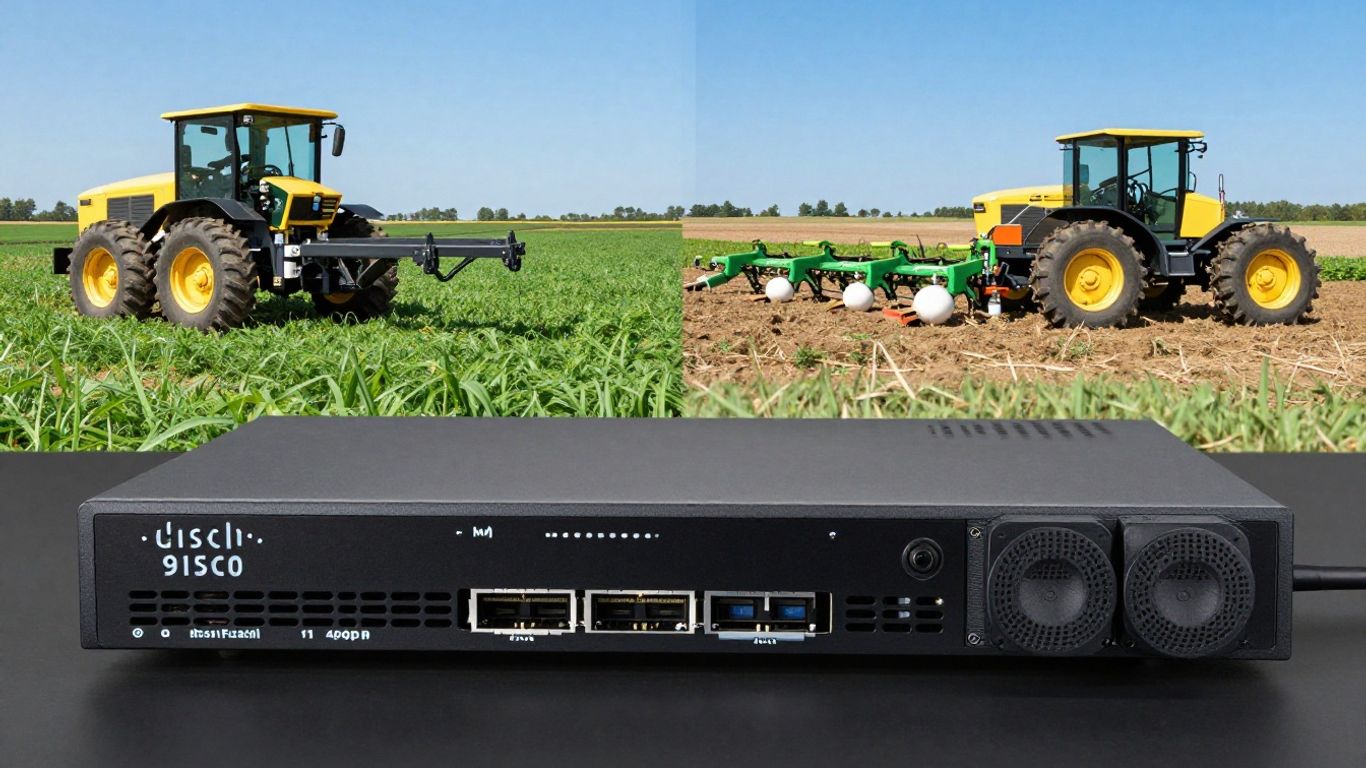
It might seem a bit out there, but the 9130 has found some really interesting uses outside of typical office tech. Think about farms and factories – places that need reliable systems to keep things running smoothly. The 9130 can actually play a part in these environments, which is pretty neat when you consider its origins.
In industrial settings, especially, controlling power and machinery is everything. The 9130 can be integrated into systems that manage everything from conveyor belts to automated assembly lines. It's about making sure the right signals get sent at the right time to keep production moving without a hitch. This isn't just about turning things on and off; it's about precise control and monitoring.
The ability to interface with various sensors and actuators makes the 9130 a flexible component for building custom control solutions in demanding environments.
Robots are becoming more common in manufacturing, and they need a brain to coordinate their actions. The 9130 can act as a central controller for a robotic cell, managing multiple robots, their movements, and their interactions with other equipment on the production floor. It helps orchestrate complex tasks, ensuring that robots work together efficiently and safely.
When it comes to machining, precision is key. The 9130 can be used to control CNC (Computer Numerical Control) machines, translating design specifications into precise movements for cutting, drilling, or shaping materials. This allows for high-volume production of complex parts with consistent accuracy, which is a big deal for manufacturing quality.
The 9130 system is built with the idea that data shouldn't be stuck in one place. It supports distributed databases, meaning your information can live across multiple locations or machines. This isn't just about having backups; it's about making data more accessible and faster to get to, no matter where you are. Think of it like having a library with branches all over town instead of just one central building. You can grab a book from the closest branch, which is way quicker.
This is where the 9130 really shines when it comes to connecting different systems. It allows for direct communication between channels, which are essentially pathways for data. This means two separate computer systems can talk to each other directly, sharing information without needing a lot of extra steps or complex software in between. It's like having a dedicated phone line between two offices instead of having to go through a central operator every time.
When you're dealing with older systems or planning to move to something new, the 9130 offers a way to make that transition smoother. System transparency means that the underlying complexity of the hardware or network is hidden from the user or application. It just works. For migration, it means you can move data or applications from one system to another without a huge headache.
This feature is particularly helpful when you're trying to upgrade your technology without disrupting your daily operations. It's like moving house but having movers pack and unpack everything so you can just walk into your new place and start living.
Here's a quick look at what that means:
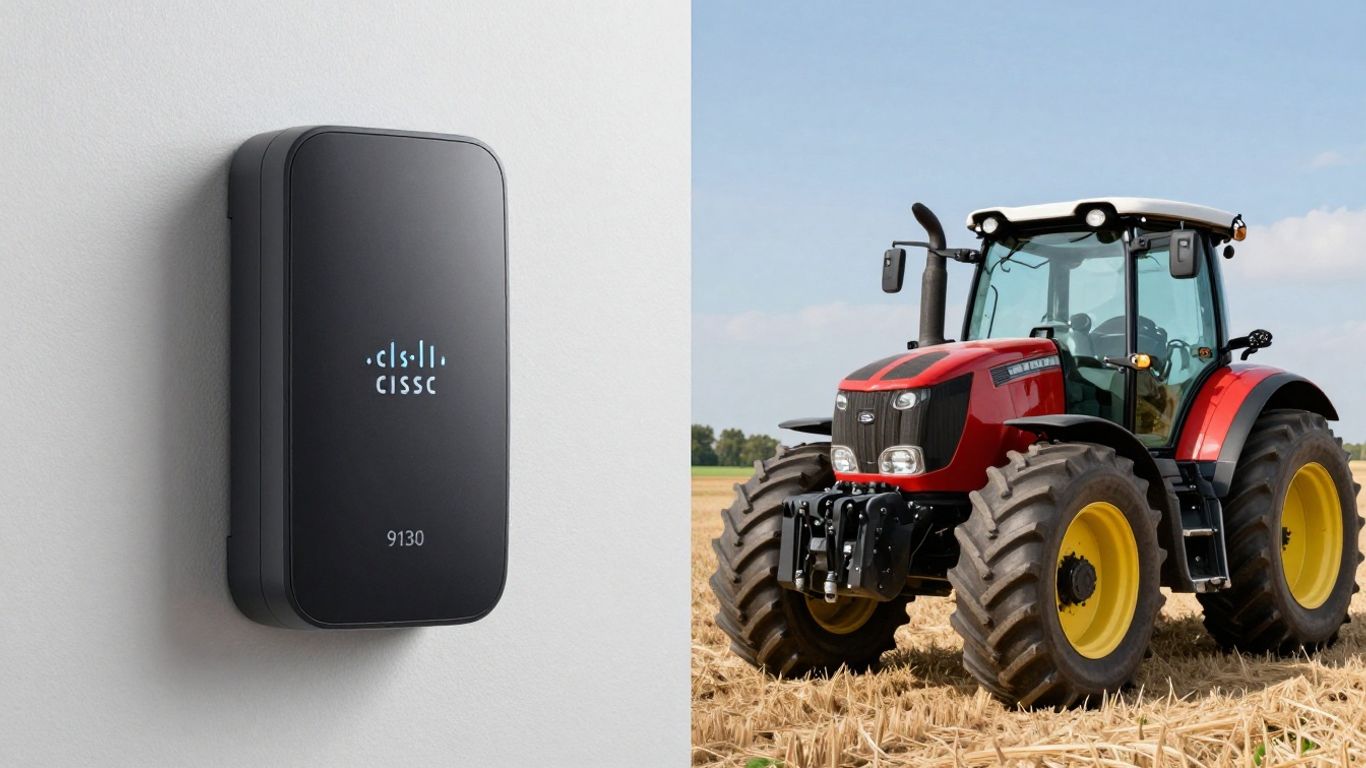
The 9130 isn't just a one-trick pony; it can handle a lot of different computing tasks. Think of it as a flexible tool that can be adapted for various needs. It's capable of running different programming languages, which is pretty handy if you're working on diverse projects. This means you're not locked into one way of doing things. It can manage both batch processing, where jobs are run in groups, and interactive processing, where you get immediate feedback. This dual capability makes it suitable for a wide range of business applications, from keeping track of inventory to handling customer orders.
When it comes to science and smaller microprocessor systems, the 9130 shows its adaptable nature. It can interface with specialized equipment, which is a big deal in research labs. Imagine needing to connect a specific sensor or a piece of analytical gear; the 9130 can often bridge that gap. It's also been used in systems where microprocessors are the main component, suggesting it can work alongside or manage these smaller, dedicated processors. This kind of flexibility is what you need when you're dealing with cutting-edge technology or custom-built systems that don't follow a standard mold.
Setting up networks is another area where the 9130 proves its worth. It can be configured to work within larger networked systems, allowing different computers and devices to communicate. This is important for sharing data and resources across an organization. It supports various communication protocols, meaning it can talk to a wide array of other systems, even older ones. The ability to integrate into existing or new network setups without major overhauls is a significant advantage. This makes it a solid choice for building robust and interconnected computing environments.
The adaptability of the 9130 means it can be a central piece in many different setups. Whether it's crunching numbers for scientific research, managing business data, or connecting various devices in a network, its flexible design allows it to fit in where needed. This makes it a reliable option for a variety of technical challenges.
So, we've seen how the 9130, or devices like it, can really do a lot. It's not just for fancy computer networks or connecting to Cisco access points. It turns out these kinds of systems can also be useful in places you might not expect, like helping out on a farm. It just goes to show that technology, even older stuff, can be surprisingly adaptable. It's pretty neat when you think about how a piece of equipment can have so many different jobs over its life, from keeping businesses running smoothly to maybe even helping grow crops. Makes you wonder what else these versatile machines could be used for.
The 9130 is a versatile piece of technology that can be used for many things. It helps computers talk to each other, process information, and even support the creation of new programs. Think of it as a helpful tool that makes technology work better together.
The 9130 has features that help manage network traffic. It can make sure data gets sent efficiently, even if different types of connections are used. It's like a traffic director for computer information, making sure everything flows smoothly and without errors.
Yes, the 9130 can help bridge the gap between older and newer technology. It has ways to connect with systems like Telex, which was used for sending messages, and can even help with word processing tasks, making older equipment more useful.
Absolutely! The 9130 can be part of power and control systems in farms and factories. It can also help manage robots and control machines used in making things, showing how it can be used in practical, hands-on jobs.
The 9130 has some sophisticated capabilities. It can support systems where data is stored in multiple places (distributed databases) and allows different computer parts to communicate directly. It also helps when moving data between different computer systems.
Definitely. The 9130 is flexible enough for general computer work. It can be part of scientific systems and even used in networks where many computers work together, making it a real all-around performer.
Connect with us to explore our scalable solutions tailored to your unique needs and receive a personalized free quote.