Choosing a security integration company in 2026? Our buyer's guide covers expertise, platforms, contracts, and future trends for smart security.

Picking the right security integration company in 2026 is a big deal. It’s not just about buying some tech; it’s about finding a partner who can actually help keep your systems safe. With so many options out there, it’s easy to get lost. This guide is here to help you sort through it all, focusing on what really matters when you’re trying to protect your business. We’ll break down what you need to look for, from understanding your own setup to making sure the company you choose is solid.
Before you even start looking at companies, you really need to get a handle on what you actually need your security system to do. It’s not a one-size-fits-all situation, and trying to force a generic solution onto your specific setup is just asking for trouble. Think about it like buying shoes – you wouldn't buy hiking boots for a formal event, right? Same idea here.
Take a good, hard look at how things work right now. Where are your weak spots? What takes up too much time for your team? Are you manually moving data between systems? That’s a big red flag for potential errors and security holes. We're talking about mapping out every step of your current security processes, from how alerts are handled to how access is granted and revoked. It’s about spotting the bottlenecks and the places where things could easily go wrong.
Every integration point is a potential entry point for trouble. It’s vital to know what you have before you start adding more connections.
Now, what do you actually need? Don't just think about stopping break-ins. Modern security is way more than that. Do you need to integrate with your smart home devices? What about environmental monitoring for fire or carbon monoxide? You need to list out the must-have features that will make a real difference to your safety and peace of mind. This isn't about getting every bell and whistle; it's about getting the ones that matter most to you and your situation.
Here’s a quick way to think about it:
Once you know what you have and what you want, you can see where the disconnects are. Maybe your current alarm system doesn't talk to your smart lights, or your video feed isn't easily accessible when you're away. These are your integration gaps. You need to figure out what needs to connect to what, and why. This might involve looking at:
Figuring this out now saves a lot of headaches later. It sets the stage for choosing a company that can actually build the system you need, not just sell you something off the shelf.
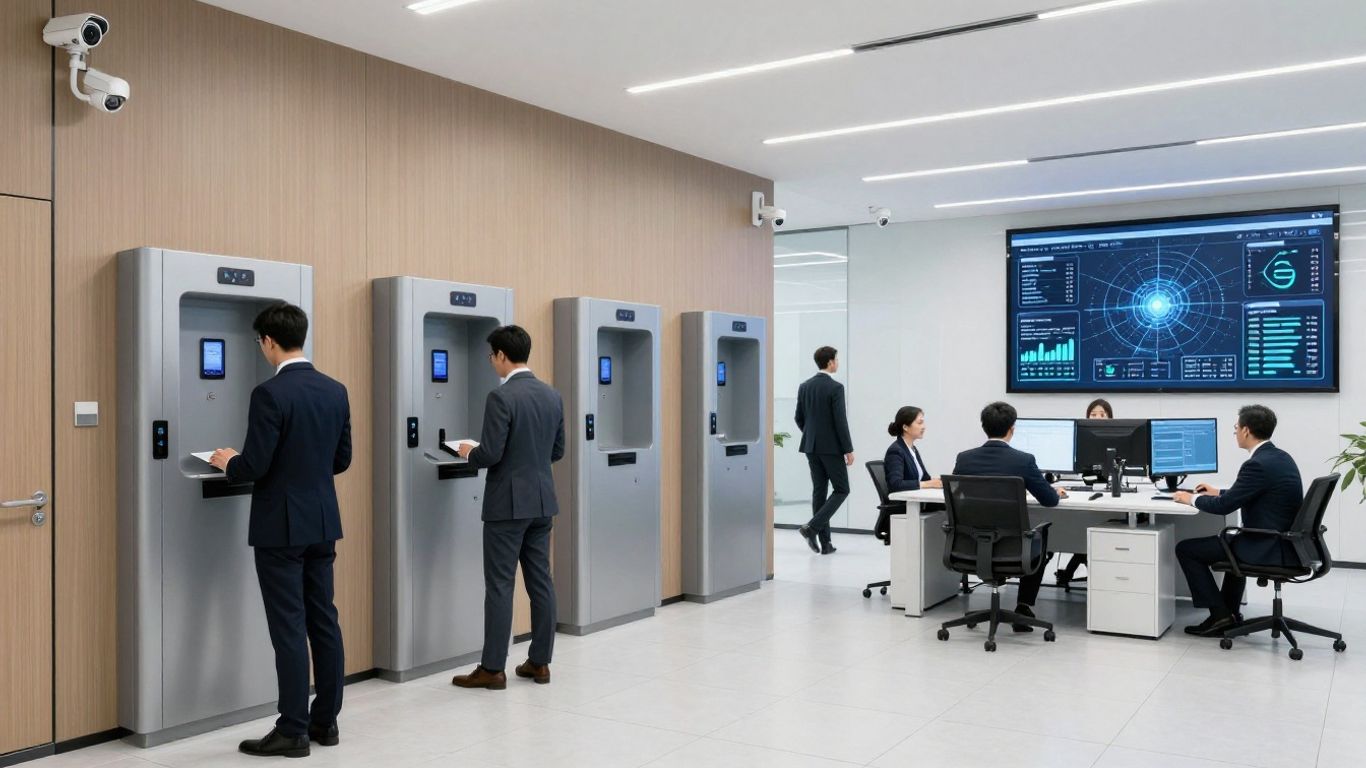
When you're looking at companies to help with your security setup, you really want to know if they know their stuff. It's not just about having a fancy website; it's about what they've actually done and what proof they have. Ask about their team's certifications. Things like CompTIA Security+, CISSP, or specific vendor certifications show they've passed some pretty tough tests. It's a good sign they understand the technical side of things. Also, see if they have experience with the specific types of systems you use. Integrating with cloud platforms like AWS or Azure is different from on-premise setups, and a good company will have folks who know both.
This is a big one. The company you hire to secure your systems should themselves be secure. You wouldn't hire a locksmith who leaves their own doors unlocked, right? Ask them about their own security practices. Do they have things like SOC 2 Type II reports? That's a standard that shows they've been audited and meet certain security and availability requirements. Find out how they handle data privacy, encryption, and access controls for their own operations. If they're handling sensitive information or connecting to your network, their compliance and security posture are just as important as yours.
Security isn't static; it's always changing. New threats pop up all the time, and artificial intelligence is playing a bigger role in both defense and attack. You need a partner who's thinking ahead. Ask them how they use AI in their solutions. Are they just using it for basic alerts, or are they building more advanced detection and response capabilities? Also, inquire about how they stay updated on new threats and vulnerabilities. Do they have a dedicated research team, or do they rely on third-party feeds? A company that's proactive about emerging threats and uses modern tools like AI will be better equipped to protect you in the long run.
When you're looking at security integration companies, it's not just about the shiny new tech. You need to see what the platform itself can actually do. Think of it as the engine room of your security setup. It needs to be solid, smart, and work well with everything else.
This is where the rubber meets the road. A good platform doesn't just flag a problem; it helps you deal with it. It should connect the dots between different alerts, figure out what's actually important, and guide your team on what to do next. We're talking about automating some of those steps that usually take up a lot of time and brainpower.
The goal here is to move from just reacting to threats to having a clear plan that your team can follow, even when things get hectic. It's about making sure that when an alert pops up, it leads to action, not just more confusion.
Who gets access to what? This is a big one. Your security platform needs to play nice with your systems that manage user identities and permissions. It should make sure that only the right people have access to the right information, and that this access is reviewed regularly. This means making sure that when someone's role changes or they leave the company, their access gets updated automatically.
Most businesses today aren't just on-premise anymore. You've likely got stuff in the cloud, maybe even multiple clouds. Your security platform needs to give you a clear view of what's happening there. This includes spotting misconfigurations, tracking data, and making sure your cloud environments are as secure as your physical ones.

When you're picking a company to handle your security integration, it's not just about the fancy tech they install. You've got to think about what happens after the installation crew leaves. Who are you going to call when something goes wrong? How quickly will they respond? These are the kinds of questions that separate a good security partner from a mediocre one.
Your security system's brain is its monitoring center. This is where trained folks watch over your property 24/7. You want to know they're legit. Look for companies that have certifications like the Five Diamond rating from The Monitoring Association (TMA). This means their staff has gone through proper training and meets high service standards. It's a good sign they're serious about what they do. Also, ask if they have backup monitoring centers. If one goes offline due to a storm or power outage, another can pick up the slack without missing a beat. This redundancy is super important for constant protection.
Let's be real, dealing with customer service can be a pain. But with a security company, it's different. You need to feel like you can actually reach someone who knows what they're talking about when you have a problem. A responsive support team can make all the difference during a stressful situation. Check out reviews to see what other customers say about how quickly and helpfully the company responds. Are they easy to get a hold of? Do they solve problems efficiently? A company that values its customers beyond the initial sale will show it through its support.
Security hardware is an investment, and like any investment, you want to know it's protected. Ask about the warranty on the equipment. How long does it last? What exactly does it cover? Some companies include extended warranties with their monitoring plans, which can save you a lot of hassle and money if a piece of equipment decides to quit. You also need to know the process if something breaks. What's their plan to get your system back up and running? A clear, straightforward policy here is a big plus. It shows they stand behind their products and are committed to keeping your system functional. It's a big reason to go with a professional service rather than just buying gear off the shelf. Understanding how they handle your data is also key; a good provider will be upfront about their data privacy policies.
When choosing a security partner, think about the long haul. The technology is important, but so is the human element. Reliable monitoring, quick customer service, and clear policies on equipment are all part of the package that gives you true peace of mind. Don't just look at the price tag; consider the overall value and support you'll receive.
Okay, so you've found a security integration company that seems like a good fit. Before you sign on the dotted line, let's talk about the paperwork. This is where things can get a little tricky, and it's super important to know what you're getting into.
Most security integration services aren't a one-and-done deal. They often involve ongoing monitoring, maintenance, and support. Because of this, companies usually want some kind of commitment. This typically means a contract with a set length. You'll see terms like 1, 3, or even 5 years. The longer the contract, the more you might be able to negotiate on the initial setup costs or monthly fees, but it also means less flexibility down the road.
Think about your business's stability and your future plans. If you're planning a big move or a significant change in operations within the next few years, a super long contract might not be the best idea. Always ask for a copy of the contract to read through before you agree to anything. Don't be afraid to ask questions about any clause that seems unclear.
Life happens, right? Sometimes, despite best intentions, you might need to end a contract early. This is where cancellation policies come into play. What happens if you sell your business, move to a location the company doesn't service, or if the service just isn't meeting your needs anymore? Some contracts have hefty early termination fees, while others might allow for a transfer of service or a pro-rated refund. It's really important to understand these terms upfront.
Here's a quick rundown of what to look for:
It's easy to get caught up in the excitement of a new security system, but the fine print of the contract is where potential problems can hide. Take your time, read carefully, and ask for clarification on anything that seems ambiguous. A good security partner will be transparent about their terms.
Pricing can sometimes be a bit of a maze. You'll see costs for equipment, installation, monthly monitoring, software licenses, and maybe even ongoing maintenance. Make sure you get a clear, itemized breakdown of all these costs. Ask if there are any one-time fees or hidden charges that aren't immediately obvious.
Here’s a simple table to help you track costs:
Don't hesitate to ask for clarification if the pricing structure seems confusing. A company that is upfront about all costs builds trust, which is exactly what you want in a long-term security partner.
Security integration isn't just about connecting different systems anymore; it's about making them work together smarter and faster. Think about how much things have changed even in the last few years. We're moving beyond basic alarms and simple alerts to systems that can actually understand what's happening.
Artificial intelligence is really changing the game here. Instead of just telling you that motion was detected, AI can analyze video feeds and tell you if it was a person, a pet, or just the wind blowing a tree. This means fewer false alarms and more accurate notifications when something actually needs your attention. It helps security centers focus on real issues and gives you peace of mind knowing you're not getting bothered by every little thing.
The goal is to get alerts that are actually useful, cutting down on noise and making sure you're informed about genuine security events without constant interruption.
As more of our security systems connect to the internet, protecting them from online threats is just as important as locking your doors. Companies are building stronger digital defenses into their devices. When you're picking a security partner, make sure they take your digital safety seriously. This means using secure connections, keeping your data safe in the cloud, and updating their software regularly to patch any weaknesses.
Your security system is likely already talking to other smart devices in your home, like lights or thermostats. The future is about making these connections even more useful. Imagine your security system automatically turning on lights if it detects an intruder, or your smart locks integrating directly with your alarm status. This interconnectedness creates a more responsive and automated security environment. It's not just about convenience; it's about building a layered defense that works together automatically when needed.
So, picking the right security integration company isn't just about finding the cheapest option or the one with the most bells and whistles. It's about finding a partner that truly gets what you need. Think about what matters most for your situation – is it super-fast response times, systems that play nice with your existing tech, or a company that’s really clear about contracts and support? Don't forget to check if they're certified and what happens if something goes wrong. By focusing on these practical points, you can make a choice that gives you real peace of mind, knowing your property and what's inside are well looked after. It’s a big decision, but taking the time to get it right makes all the difference.
Choosing the right security company is like picking a good friend to watch your house. They need to be reliable when things get tough. A good company uses great tools, responds super fast if something happens, and makes sure you understand everything they do. It's about feeling safe and knowing someone has your back, 24/7.
Think of technology as the security guard's tools. You want a company that uses smart gadgets that can tell the difference between a real problem and a false alarm, like a pet walking by. They should also have systems that can talk to each other so everything works together smoothly, especially when dealing with online threats.
The monitoring center is where the real action happens when an alarm goes off. It's super important that this place is always open and has trained people ready to help. Look for places that have special certifications, like 'Five Diamond,' because that means they've met high standards for training and service. It's like getting a gold star for being ready to help.
A good security partner is like a helpful guide. They should be easy to talk to, answer your questions quickly, and help you fix any problems with your system. You want to know that if something breaks or you need help, a real person will be there to assist you, not just a robot on the phone.
Contracts can seem tricky, but they're important. Make sure you understand how long you're signing up for and what happens if you need to cancel, like if you move. Always ask about all the costs involved, not just the monthly fee, so there are no surprises later on. Transparency is key!
Technology is making security systems way smarter! AI can help systems notice real threats more easily and reduce fake alarms. Plus, as more devices connect to the internet, companies are working hard to protect them from online hackers. This means your security is getting stronger both at your door and online.
Connect with us to explore our scalable solutions tailored to your unique needs and receive a personalized free quote.