Choosing the right security access control companies is crucial. Learn how to evaluate features, tailor solutions, and ensure compliance for your business.

Picking the right security access control companies for your business can feel like a big job. It's not just about getting a new lock, you know? It's about making sure the right people can get in, and everyone else stays out. This guide will help you figure out what you really need, so you can find a company that fits your business, whether you're a small shop or a big office building.
Before you even start looking at different companies or fancy gadgets, you really need to figure out what your business actually needs when it comes to security. It’s not a one-size-fits-all thing, you know? What works for a small corner store is probably going to be way too much, or not enough, for a big office building or a factory.
First off, take a good, hard look at your property. Where are the weak spots? Think about all the ways someone could get in where they shouldn't be. Are there lots of doors and windows? Is it in an area where break-ins are common? What kind of stuff do you have inside that's valuable or sensitive? You need to get a handle on what you're trying to protect and what the actual risks are. This isn't just about guessing; it's about being realistic.
Figuring out your specific vulnerabilities helps you focus on what really matters, rather than getting distracted by features you don't need. It's about smart spending, not just spending.
Once you know your weak spots, what do you actually want the security system to do? Are you trying to stop people from getting into certain rooms, like the server room or a storage area with expensive inventory? Do you need to keep track of who comes and goes, especially after hours? Maybe you just want to make sure only employees can get into the main office space. Clearly writing down what you want to achieve will make choosing the right system much easier. Don't just buy something because it looks good; buy it because it solves a problem you have.
Think about the different zones within your business. Some areas are probably fine for anyone to access, like the main lobby or a break room. But others? Not so much. You might have:
Knowing these specific spots helps you plan exactly where you'll need locks, key cards, or other access controls. It's all about putting up the right barriers in the right places.
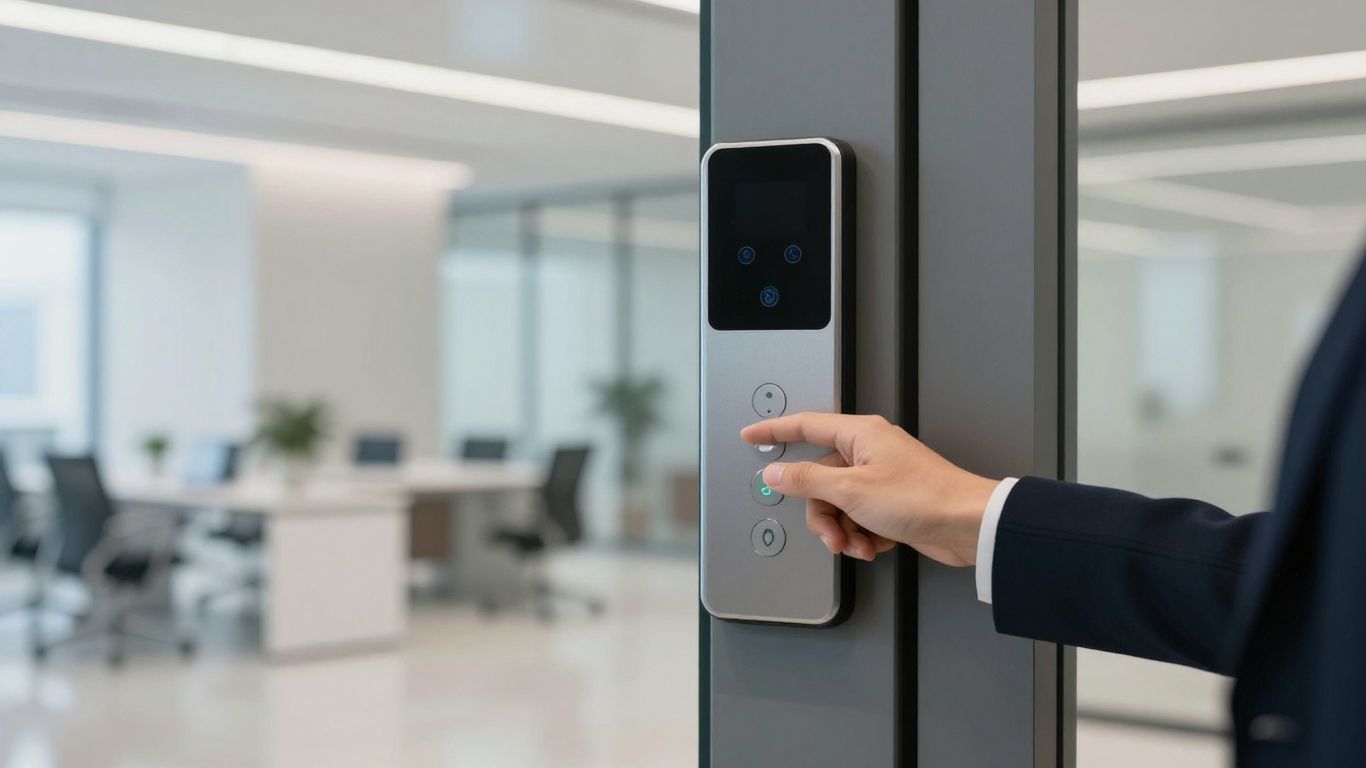
When you're looking at companies that handle security access control, it's not just about picking the one with the flashiest name. You really need to dig into what their systems can actually do for your business. Think about it like buying a car – you wouldn't just go for the red one, right? You'd check the engine, the safety features, how much space it has. It's the same with access control.
This is a big one. How easy is it to set up who can go where and when? A good system lets you create different levels of access. For instance, your accounting department might need access to the main office and the finance records room, but not the server room. You should be able to assign these permissions easily, maybe even set them to expire automatically after a certain date, which is super handy for temporary staff or visitors.
Credentials themselves can come in many forms these days. We're talking about key cards, fobs, badges, PIN codes, and even things like fingerprint or facial recognition. The best systems offer a variety of options to suit different needs and security levels.
Your new access control system probably won't be the only security tech you have. Does it play nice with your current video surveillance cameras? What about your alarm system? Ideally, you want a system that can talk to your other security tools. This makes managing everything a lot simpler and provides a more complete picture of what's happening on your property. Imagine a security event triggering both an alarm and a camera recording – that's the kind of connected security you want.
If the system is a nightmare to use, people will make mistakes, or worse, they'll avoid using it properly. For the folks managing the system day-to-day, it needs to be intuitive. They should be able to add users, change permissions, and pull reports without needing a degree in computer science. And for regular employees or visitors, using their access credential should be straightforward. Nobody wants to stand at a door fumbling with an app or a card reader for ages.
A system that's complicated to manage often leads to security gaps because people find workarounds or simply don't use it correctly. Simplicity is key for both security and day-to-day operations.
Businesses change. You might hire more people, open a new branch, or reconfigure your office space. Your access control system needs to be able to grow with you. Can you easily add more doors, more users, or more features down the line without having to rip out the old system and start over? Look for providers that offer flexible solutions, perhaps cloud-based management, which often makes it easier to oversee multiple locations or add capacity as needed. It's about making sure your security investment today still makes sense five or ten years from now.
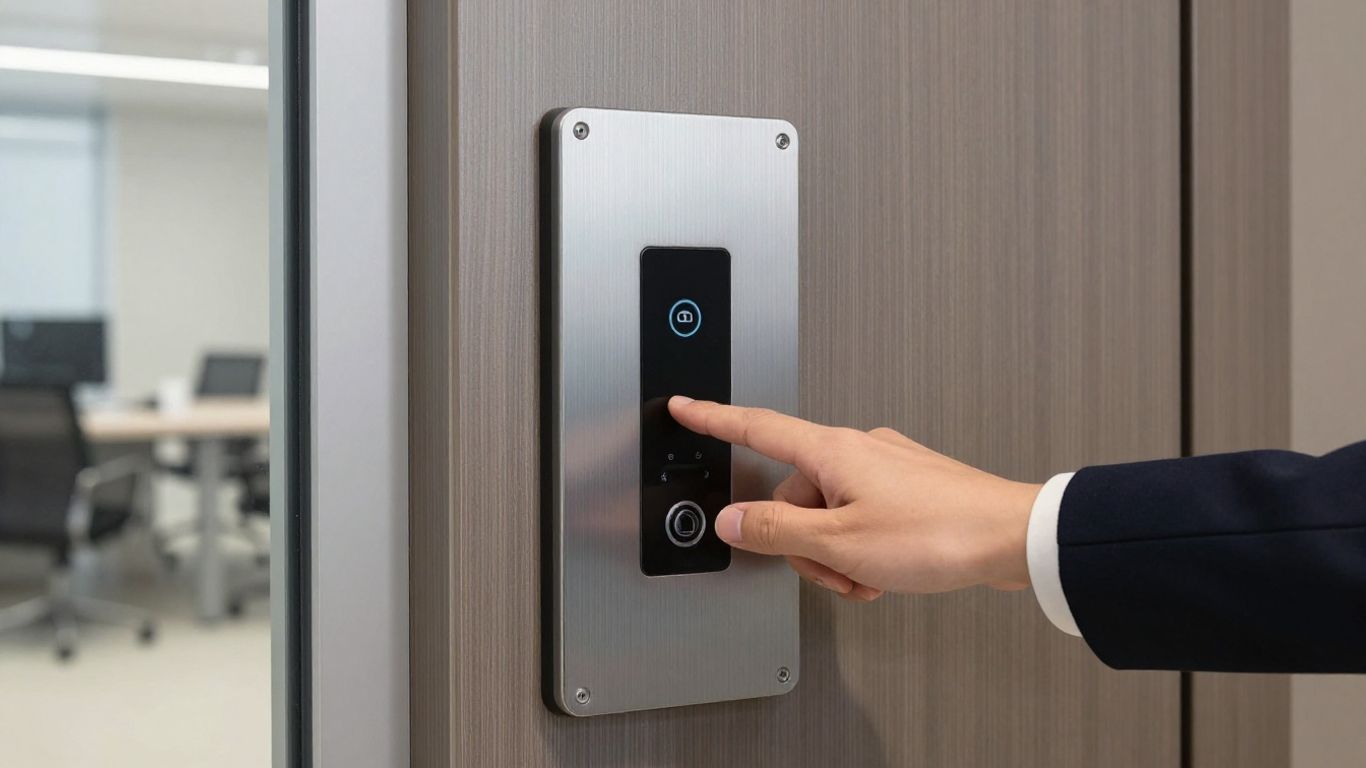
So, you've figured out what your business actually needs when it comes to keeping things secure. That's a big step! Now comes the part where you pick the company that's going to help you get there. This isn't just about buying a product; it's about finding a partner who understands your specific situation. Picking the right provider makes all the difference between a system that works smoothly and one that causes headaches.
When you're looking for a provider, don't overlook the value of someone who knows your area. A local company often understands the unique security challenges that businesses in your specific town or region face. They're usually quicker to respond if something goes wrong, which is a huge plus when you're dealing with a security issue. Plus, if they've worked with businesses like yours before – maybe other retail stores, or similar office setups – they'll have a better idea of what solutions are tried and true. It’s like hiring a contractor who’s familiar with the local building codes; they just get it.
What happens after the system is installed? That’s where service and support come in. You'll want to know what kind of help is available if you run into problems. Is it 24/7 support, or just business hours? What's included in their maintenance plan? Some companies offer different tiers of service, so think about what level of backup you'll need. A good provider will be upfront about their support structure and what you can expect. It’s also worth asking about their training programs for your staff; a well-trained team is key to making the system work effectively. For example, understanding how to manage user permissions is something your admin team will need to know. You can find providers who focus on smart access control systems that integrate well with other security features, like those from Avigilon.
Before you sign anything, do a little digging. What's the company's history? Have they been around for a while? Check out reviews, ask for references, or see if they have case studies from businesses similar to yours. A solid reputation usually means they're reliable and their customers are happy. It’s also a good idea to ask if they are licensed and certified for the types of security work they do. This gives you an extra layer of confidence that you're working with professionals.
Choosing a provider is more than just a transaction; it's the start of a relationship. You want someone who will be there for you not just during the sale, but long after the installation is complete, helping you adapt as your business grows and security needs change.
Here are a few things to consider when checking a provider's background:
Look, not every business is the same, right? What works for a small corner store probably won't cut it for a big factory or a doctor's office. You've got to think about what you actually do and what you need to protect. It's like picking the right tool for the job – you wouldn't use a hammer to screw in a lightbulb.
For shops and stores, it's often about keeping an eye on things to stop theft, both from customers and maybe even employees. You might need systems that can track who comes and goes, especially after hours. Sometimes, integrating cameras with your access points is a smart move. This way, if something happens, you've got video evidence linked to who was there.
The goal here is often a balance between letting legitimate customers and staff move freely while making it harder for unauthorized people to cause trouble or take things.
Office buildings, especially those with multiple companies or departments, need a way to manage who can get into different areas. Think about a law firm with sensitive client files or a tech company with proprietary data. You'll want systems that let you set specific permissions – maybe only certain employees can access the server room or executive suites. It's also about making it easy for your staff to get in without a hassle, but keeping others out.
If you manage apartment buildings, condos, or commercial properties with multiple tenants, your needs are different. You're dealing with a lot of people, and you need a system that's easy to manage from one place. Being able to grant and revoke access for tenants, maintenance staff, and visitors is key. Plus, you might need to handle emergency situations, like letting fire departments into all areas quickly.
This is a big one. Hospitals and clinics have super sensitive patient data and often deal with controlled substances. Security here isn't just about preventing break-ins; it's about patient safety and privacy. You'll need systems that are really robust, maybe using things like biometric scanners or multi-factor authentication for high-security areas like pharmacies or records rooms. Compliance with health regulations is non-negotiable.
When you're setting up security for your business, you can't just forget about all the rules and regulations out there. It’s a big part of making sure everything runs smoothly and legally. Different industries have their own specific requirements, and if you're in healthcare, finance, or maybe managing properties, these rules are pretty strict. Not following them can lead to some serious headaches, like fines or even losing customer trust.
Think about it – a hospital needs to protect patient data and control who goes into sensitive areas, right? A bank has to keep financial records secure. These aren't just suggestions; they're often laws. Your access control system needs to be able to handle these specific needs. This means:
One of the best ways to stay compliant is by using the features your access control system provides. Audit trails are like a detailed diary of your security system. They log every entry attempt, successful or not, and who made it. This is super important for a few reasons:
User authentication is also key. This is how you confirm someone is who they say they are before giving them access. Simple key cards are one thing, but many systems now offer more secure options like PIN codes, fingerprint scans, or even facial recognition. Using multiple methods (multi-factor authentication) makes it much harder for unauthorized people to get in.
Your access control system collects data – who accessed what, when, and from where. This information is sensitive. You need to be sure that the system you choose and how you use it respects privacy laws. This means:
Choosing a provider who understands these data protection rules is a big help. They can guide you on setting up the system in a way that keeps you compliant and your data safe. It’s not just about keeping people out; it’s about doing it the right way, legally and ethically.
When people feel safe at work, they tend to do better, right? It’s not just about keeping bad guys out; it’s about making sure your team knows you care about their well-being. A good access control system does more than just lock doors. It helps build that feeling of security.
Think about it: if your employees don't have to worry about who's wandering around or if sensitive areas are properly secured, they can focus on their jobs. This means less distraction and more productivity. Plus, knowing that there are systems in place for emergencies, like quick lockdown features or instant alerts, can make a big difference in how secure people feel.
A workplace where people feel secure is a workplace where they can truly thrive. It's about creating an environment that supports both productivity and personal safety.
Managing who goes where can get complicated, especially with lots of employees, contractors, or visitors. A smart access control system makes this much simpler. You can easily set up who has access to what, and when. Need to give a temporary visitor access to a specific floor? No problem. Have an employee leave the company? You can revoke their access instantly, preventing any security gaps.
Here’s a quick look at how it helps:
This kind of system cuts down on the administrative work for your staff and reduces the chance of human error. It means less time spent on paperwork and more time on actual work.
When something unexpected happens, time is of the essence. Modern access control systems can be a lifesaver. They can be set up to initiate a full building lockdown with the push of a button, securing all entry points instantly. This is vital for protecting everyone inside during a serious incident.
Furthermore, these systems can integrate with other security measures to provide real-time alerts. If a door is forced open, or if a specific zone is breached, the system can notify security personnel, management, and even emergency services immediately. This rapid communication is key to minimizing damage and ensuring a swift, effective response.
So, you've got your security access control system all set up. That's great! But the world keeps changing, right? New tech pops up, threats evolve, and your business probably isn't staying exactly the same either. Thinking ahead is key to making sure your security setup doesn't become outdated in a year or two. It’s about building something that can grow and adapt with you.
When you're picking out a system, don't just think about today. Imagine your business a few years down the line. Will you have more employees? More doors to manage? Maybe even a new location? A good system should be able to handle that growth without you needing a complete overhaul. Look for systems that let you easily add more users, more access points, or even integrate with new types of technology as they become available. It’s like building with LEGOs – you can add more pieces as needed.
Technology moves fast, and security is no exception. Think about things like AI-powered analytics that can spot unusual activity, or maybe touchless entry systems that are becoming more common. Your current system might not support these now, but a forward-thinking provider will have a roadmap for integrating new features. Ask them what their plans are for software updates and supporting emerging tech. You don't want to be stuck with a system that can't keep up.
Investing in a system that has a clear upgrade path means you're not just buying a product, you're investing in a long-term security solution. It's about avoiding the headache of replacing everything when a better option comes along.
Even the best system needs a little TLC. Regular check-ups are super important. This means keeping the software updated – those updates often patch security holes you didn't even know existed. It also means periodically reviewing who has access to what. People change roles, leave the company, or get new responsibilities. Making sure access permissions are current is a simple but effective way to keep your security tight. Don't forget about testing your system too, especially emergency features like lockdown protocols. You want to know they work when you need them.
So, picking the right security access control company isn't just about buying a lock. It's about finding a partner who gets what your business needs to stay safe and run smoothly. Think about what you really need the system to do, how big you plan to get, and if it plays nice with your other tech. Don't forget to check if it meets any rules you have to follow. Taking the time to look at all these things means you'll end up with a system that works for you now and won't let you down later. It’s a big decision, but getting it right gives you a lot of peace of mind.
Think of an access control system as a smart gatekeeper for your business. Instead of just a regular lock, it uses things like key cards, fobs, or even your phone to decide who can enter certain areas and when. It’s a high-tech way to keep your business safe and secure.
Regular locks can be easily copied or lost, which isn't great for security. An access control system lets you control exactly who gets in, track who enters and leaves, and easily change access if someone leaves your company. It’s a much smarter way to protect your stuff, your data, and your people.
First, figure out what you need to protect and what your biggest security worries are. Then, think about how many people need access and if you might need to add more doors or users later. It’s also smart to see if the system can work with other security tools you already have, like cameras.
Absolutely! Most good access control systems are designed to be flexible. You can usually add more doors, more users, or new features as your business gets bigger or your needs change. This means you won't have to replace the whole system later on.
When you choose a company, ask about their support. Good companies offer training and help if you get stuck. They should also have plans for keeping your system updated and working well, so you don't have to worry about it.
Yes, they can! Many systems keep a record of who entered where and when. This is called an audit trail, and it's super helpful for proving you're following safety rules, especially in places like hospitals or places that handle sensitive information.
Connect with us to explore our scalable solutions tailored to your unique needs and receive a personalized free quote.