Choosing the right commercial video security system? Explore IP CCTV, HD-SDI, wireless options, key components, placement, budgeting, and professional installation.
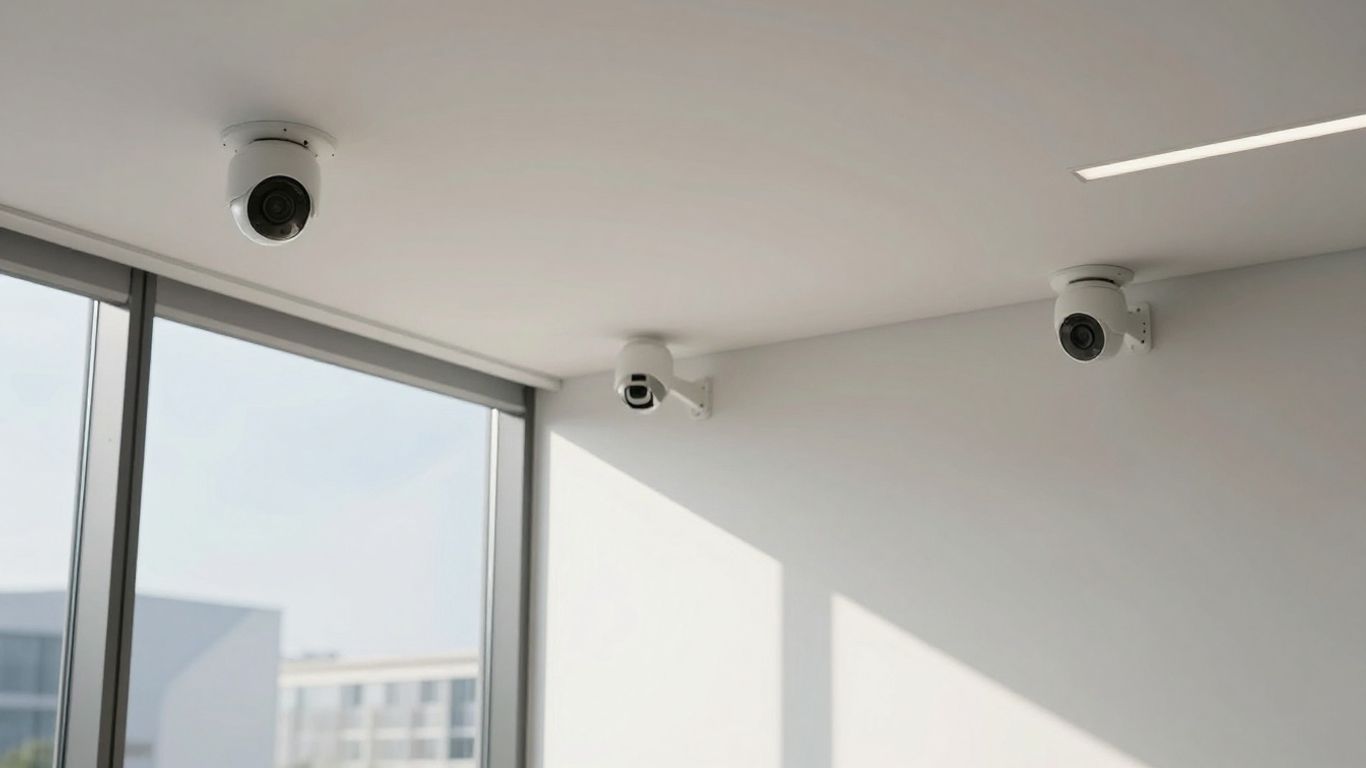
So, you're looking to get a commercial video security system for your business. It can feel like a lot to figure out, right? There are tons of options out there, and picking the right one can be tough. But don't worry, we're going to break it down. Think of this as your guide to making sure your business is protected without all the confusion. We'll cover what you need to think about, the different types of systems, and how to make sure you get the best setup for your specific needs.
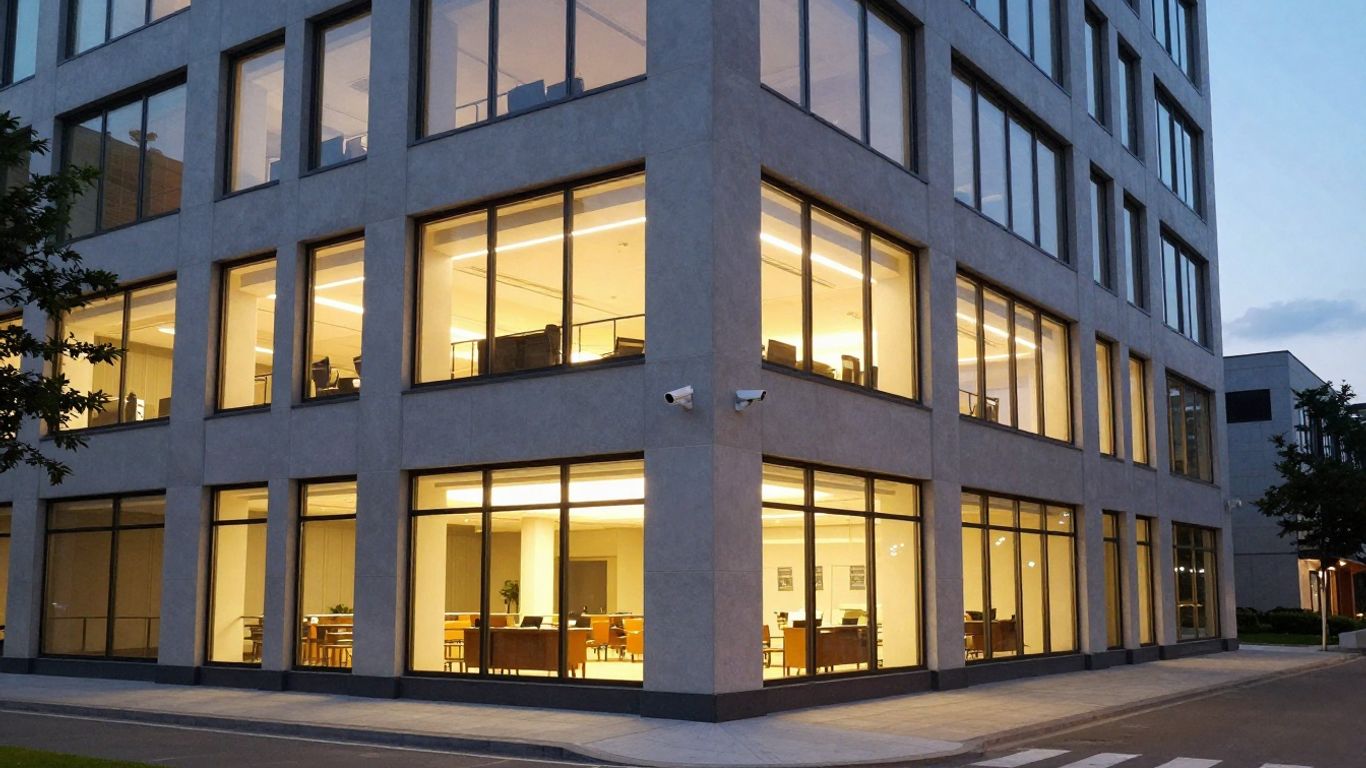
Before you even think about cameras or alarms, you need to really look at your business property. Where are the weak spots? Think about all the entry points – doors, windows, loading docks, even vents. Are there areas that are poorly lit or out of sight? What about valuable equipment or inventory stored in less secure areas? Identifying these potential entry points and vulnerabilities is the first step to building an effective security plan. It’s not just about what could happen, but what’s most likely to happen based on your location and business type.
Consider these questions:
A thorough assessment helps you avoid overspending on security measures you don't need while making sure you don't miss critical areas that require protection.
Not all businesses are the same, and neither are their security needs. A small retail shop has different concerns than a large warehouse or an office building. For example, a retail store might focus on preventing shoplifting and monitoring point-of-sale transactions. A warehouse, on the other hand, might prioritize perimeter security and monitoring large storage areas. An office building might be more concerned with controlling access to different floors or sensitive rooms.
Here’s a quick look at how needs can differ:
Once you understand your vulnerabilities and your business type, you can set clear goals for your security system. What exactly do you want the system to achieve? Do you need to deter potential intruders? Do you need to record activity for evidence? Is the primary goal to monitor employee activity or ensure customer safety? Having specific objectives will guide your choices when selecting equipment and features. For instance, if your main goal is deterrence, visible cameras might be your priority. If you need to track inventory movement, you'll want cameras with high resolution and good zoom capabilities in specific storage areas. Clearly defined objectives make the entire process of choosing and implementing a security system much more straightforward.
When it comes to keeping an eye on your business, the world of video surveillance can seem pretty vast. It's not just about slapping a few cameras up and calling it a day. You've got different types of systems, each with its own strengths, and picking the right one really depends on what you need to see and how you need to see it. The goal is to get clear footage that actually helps you out, whether that's catching a shoplifter or just checking on your staff.
Think of IP (Internet Protocol) CCTV systems as the modern, smart choice for video security. These systems use your existing network, or a dedicated one, to send video data. This means you get really sharp images, often in high definition, and a lot more flexibility.
While IP systems offer a lot of bells and whistles, they can sometimes require a bit more technical know-how for setup and maintenance compared to older analog systems. Plus, the quality of your network infrastructure plays a big role in how well they perform.
If crystal-clear images are your top priority, especially for areas where you need to identify fine details, HD-SDI (High Definition Serial Digital Interface) cameras are worth a look. These cameras transmit high-definition video over traditional coaxial cables, similar to older analog systems, but with a significant jump in quality.
Wireless CCTV systems are all about making installation easier, especially in places where running cables is a pain. These cameras transmit their video signal wirelessly, usually over Wi-Fi, to a receiver or recorder.
Keep in mind that wireless systems can sometimes be more susceptible to interference, and you'll still need to power the cameras, which usually means a nearby power outlet or a battery solution. The range of the wireless signal is also something to consider.
When you're setting up a security system for your business, it's not just about slapping a few cameras up. You've got to think about the whole picture. A solid system is usually made up of a few different parts working together. These components are designed to cover various aspects of security, from stopping people from getting in where they shouldn't, to knowing what's happening at all times.
Think of these as your first line of defense against unwanted visitors. Intrusion detection systems are designed to alert you the moment someone tries to break in. This usually involves sensors placed on doors and windows that trigger an alarm if they're opened. Motion detectors can also be used inside to catch movement in areas that should be empty. Some systems even have glass-break sensors that can detect the sound of shattering glass. The main goal here is to get an alert as quickly as possible so you can react.
This is all about managing who gets in and where they can go. Access control systems are like digital bouncers for your business. Instead of just a key, you might use key cards, fobs, or even a keypad with a code. This lets you grant access to specific employees for certain areas and times. Plus, these systems keep a log of who entered and when, which is super helpful if you ever need to check up on something or conduct an audit. It's a way to keep sensitive areas secure and track activity.
Security isn't just about people trying to get in; it's also about protecting your business from other threats. Fire alarms are a no-brainer, and having them professionally monitored means help is on the way even if no one is there. Beyond fire, temperature and humidity sensors can be really important for businesses that store sensitive inventory or equipment. Imagine losing a whole batch of product because the fridge broke down, or a server room overheated. These sensors can give you an early warning before disaster strikes.
A well-rounded security setup doesn't just react to problems; it actively works to prevent them and monitor environmental risks. Integrating these different components creates a more robust shield for your business operations.
Putting cameras up is one thing, but where you put them and what they can do really matters. It's not just about covering every inch of your property; it's about smart placement that actually helps you. Think about how a camera can act as a visible deterrent, making potential troublemakers think twice before they even step onto your grounds. Then there are the cameras that do more than just watch. Modern systems can analyze what they're seeing, which is pretty neat.
When it comes to securing the outer edges of your business, you need a plan that's flexible. Fixed cameras are great for known trouble spots, but what about areas that might become a concern later, or large open spaces that are hard to cover? That's where mobile cameras come in. These aren't your typical security cameras; they can be moved around as needed. Imagine needing to monitor a temporary construction zone or a special event happening in your parking lot. Mobile cameras, sometimes powered by solar and cellular, can be deployed quickly without a lot of fuss. They offer a way to adapt your security on the fly, which is a big deal for businesses that change or have varied needs.
Let's be honest, a lot of security is about making people feel watched. Simply having cameras visible can stop a lot of petty theft or vandalism before it even starts. It's like putting up a "Beware of Dog" sign, but way more high-tech. When people know they're being recorded, they're less likely to do something they shouldn't. This means placing cameras where they can be easily seen, especially near entrances, exits, and any high-value areas. It's a simple, yet effective, part of a bigger security picture.
Okay, so cameras record video, but what if they could do more? That's where analytics come in. Instead of you or your security team having to watch hours of footage, analytics can do some of the heavy lifting. Think about setting up alerts for when motion is detected in an area that should be empty, like after business hours. Some systems can even tell the difference between a person, a car, or just a tree branch blowing in the wind, cutting down on false alarms. This smart monitoring means you get notified about actual events, not just random movements, saving time and letting you focus on what's important.
The effectiveness of your video security system hinges on more than just the camera's resolution. Strategic placement is key to eliminating blind spots and ensuring that critical areas are always under observation. Consider the camera's field of view and potential obstructions when deciding on the best location for optimal coverage.
Here's a quick look at how different camera types can be used:
Okay, so you've figured out what kind of security cameras and features you actually need. Now comes the part where we talk money. It's easy to get excited about all the fancy tech, but keeping an eye on your wallet is just as important as keeping an eye on your property. You don't want to end up with a system that's way over budget, or worse, one that's so cheap it doesn't actually do what you need it to. It’s a balancing act, for sure.
Think about what you absolutely must have versus what would be nice to have. Do you need cameras that can see in total darkness, or will standard night vision do? Is advanced motion detection a must, or can you get by with simpler alerts? Sometimes, a slightly less feature-rich camera can save you a good chunk of change, and if those features aren't critical for your specific security needs, it's a smart trade-off.
Here’s a quick way to think about it:
Don't just look at the sticker price. Consider the total cost of ownership. This includes:
When you're looking at different systems, try to get a clear picture of all the costs involved, not just the initial purchase price. A system that seems cheaper upfront might end up costing you more down the line if it requires frequent repairs or expensive upgrades.
It might feel like an expense, but a good security system is really an investment. It protects your business in several ways:
So, when you're budgeting, think about the potential losses you're avoiding. The cost of a security system is often much less than the cost of a major theft, a lawsuit, or significant property damage.
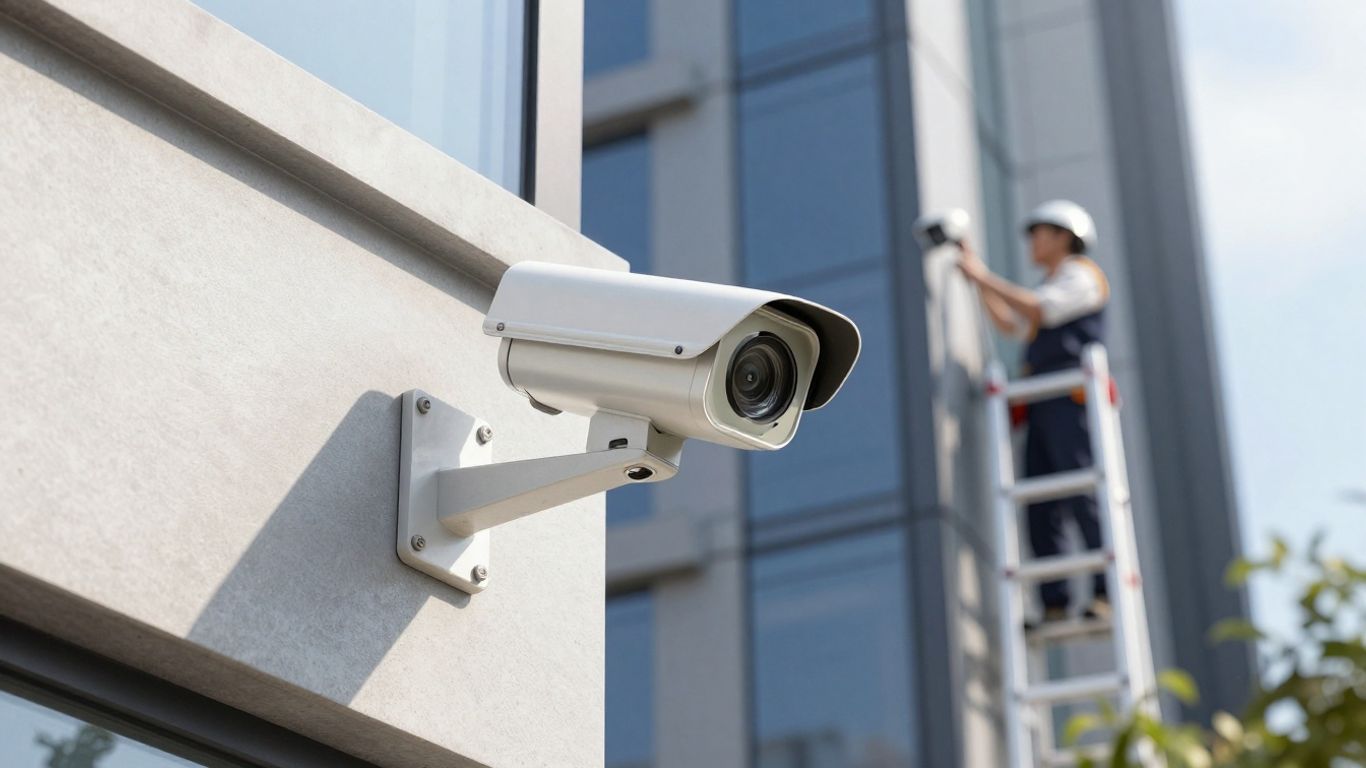
So, you've figured out what kind of cameras and features you need. That's great! But who's actually going to install all this stuff? Trying to do it yourself, especially with a complex commercial setup, is usually a bad idea. It's like trying to fix your own plumbing – you might end up with more problems than you started with. Finding the right professional installer is just as important as picking the right equipment. They're the ones who will make sure everything works right, from day one.
When you're looking at potential installers, the first thing you should check is their credentials. Are their technicians trained and certified by the manufacturers of the equipment you're interested in? This isn't just a formality; it means they know the ins and outs of the specific systems. A company that invests in ongoing training for its staff is usually a good sign they're serious about quality. You want people who understand the latest technology and best practices, not someone who learned on the job last year.
Next up, you need to talk about timing. How soon can they start? How long will the installation take? This is where you need to be realistic about your business operations. You don't want a crew tearing up your office during peak hours, right? A good installer will work with you to create a schedule that minimizes disruption. They should be able to give you a clear idea of the project timeline, including any potential delays. It's also worth asking about their availability for ongoing support and maintenance after the job is done. You don't want to be left hanging if something goes wrong.
Finally, let's talk money and what you actually get. Get detailed quotes from a few different companies. Don't just look at the bottom line, though. Compare what's included in each quote. Does one include a more robust warranty? Does another offer better post-installation support? Think about the total package. Sometimes, paying a little more upfront for a more reputable company with a better service plan can save you a lot of headaches and money down the road. Remember, you're not just buying an installation; you're building a relationship with a partner who will help keep your business secure. You can find companies that offer expert installation services for a wide range of security needs.
Choosing an installer isn't just about finding someone to screw in some cameras. It's about finding a reliable partner who understands your specific security needs and can implement a solution that truly protects your business. Look for experience, clear communication, and a commitment to quality workmanship.
So, you've put thought into the cameras, the alarms, maybe even some fancy access control. That's great. But what does all this actually do for your business? It's more than just having blinking lights and recording footage. A well-put-together security system is a workhorse that protects your business in several key ways.
This is usually the first thing people think of, right? Keeping your stuff safe. We're talking about everything from the cash in the register to the inventory on the shelves, the equipment in the back, and even sensitive digital data. A good system acts as a deterrent, making thieves think twice. If something does happen, the recordings can be invaluable for identifying suspects and recovering stolen goods. Think of it as an investment in keeping what you've earned.
Beyond just property, a solid security setup looks out for the people in your building. Visible cameras can discourage troublemakers, and systems that integrate with access control can keep unauthorized individuals out of sensitive areas. This creates a safer environment for your staff to work in and for your customers to visit. Knowing that safety measures are in place can significantly boost morale and customer confidence.
Accidents and incidents happen. When they do, having a reliable security system can seriously reduce your legal headaches. For example, if there's a slip-and-fall incident, video footage can clarify what happened. More broadly, by preventing theft, vandalism, and unauthorized access, you're minimizing disruptions. This helps keep your business running smoothly, avoiding costly downtime and protecting your reputation. It's about being prepared for the unexpected.
Honestly, this might be the most underrated benefit. Running a business is stressful enough without worrying constantly about break-ins, theft, or other security issues. A robust system means you can focus more on growing your business and serving your customers, rather than constantly looking over your shoulder. It's that feeling of knowing your business is protected, day and night. You can find professional commercial security camera systems that fit your needs here.
So, picking the right security setup for your business might seem like a lot at first. There are tons of options out there, and it's easy to get lost. But remember, it all comes down to what your business actually needs. Think about your property, what you want to protect, and what fits your budget. Don't be afraid to ask for help from the pros either. They can guide you through the choices and make sure you get a system that works for you. Getting this right means better protection and a lot less worry down the road.
Before you even look at cameras or alarms, think about what your business really needs. Walk around your property and figure out where you might have weak spots or areas that need extra watching. Knowing what you need helps you choose the right tools.
There are a few main kinds. IP cameras are smart and connect to your network, offering cool features and remote access. HD-SDI cameras give you super clear pictures without any delay, which is great for seeing details. Wireless cameras are easy to put up and move around, perfect if running wires is tough.
A full system often includes more than just cameras. You might need ways to control who enters certain areas (like key cards), alarms that go off if someone breaks in, and even sensors to detect fire or high temperatures. These all work together to keep your business safe.
Think about where trouble is most likely to happen. Cameras outside can watch the perimeter and stop people before they get close. Cameras inside can watch over valuable items or busy areas. Making cameras visible can also scare off potential troublemakers.
It's a balancing act. You want good security, but you also have a budget. Look at the features you really need and compare prices. Sometimes, spending a little more upfront can save you a lot of money and headaches down the road.
While you could try to do it yourself, hiring professionals is usually best. They know how to set up systems correctly, make sure everything works, and can offer advice. Look for installers who are certified, have good reviews, and can finish the job when you need them to.
Connect with us to explore our scalable solutions tailored to your unique needs and receive a personalized free quote.


