Choosing the right commercial monitoring service is crucial. Learn about types, key factors, and integration for your business needs.

Choosing the right commercial monitoring service for your business is a big deal. It's not just about getting an alert when something goes wrong; it's about making sure the right people get notified quickly and accurately. Think of it like having a watchful eye on your property 24/7. We'll break down what to look for, the different types of services out there, and how to pick a partner that truly fits your needs, so you can focus on running your business without constant worry.
So, you've got a fire alarm system in your business. That's great. But what happens when it goes off? Does someone just hope for the best? That's where commercial monitoring comes in. It's not just about having a loud siren; it's about having a reliable connection to help when you really need it. Think of it as the eyes and ears that are always watching, even when you're not.
When a fire starts, every single second matters. A good monitoring service acts fast. It gets the signal from your alarm system to a monitoring center right away. People there are trained to figure out if it's a real emergency and then call the fire department. This quick action can make a huge difference, potentially saving lives and preventing your building and everything inside from being completely destroyed. It's not just about speed, though. Accuracy is key too. You don't want the system sending false alarms all the time, but you definitely don't want it to miss a real fire. The best services have backup systems and ways to check signals so they get it right.
Most places have rules about fire safety, and many of these rules require commercial buildings to have their fire alarm systems monitored 24/7. Local fire departments and insurance companies often want to see that a certified monitoring company is watching your system. Using a proper monitoring service helps you tick all the boxes for things like NFPA 72 and other local codes. This means you avoid potential fines, and your insurance stays valid. It's one less thing to worry about when it comes to staying on the right side of the law and your insurer.
Honestly, knowing your business is protected around the clock is a huge relief. When you have a solid monitoring service, you're not just buying a product; you're getting a partner in your safety plan. They handle the constant watch, so you can focus on running your business. You can be more confident that if something does happen, the right people will be notified quickly. This peace of mind lets you concentrate on your daily operations without the nagging worry of what might happen if a fire alarm goes off unnoticed.
A commercial monitoring service acts as the critical link between your building's fire detection equipment and the emergency response teams. It's the system that ensures an alarm isn't just heard, but acted upon swiftly and correctly, minimizing potential damage and safeguarding occupants.
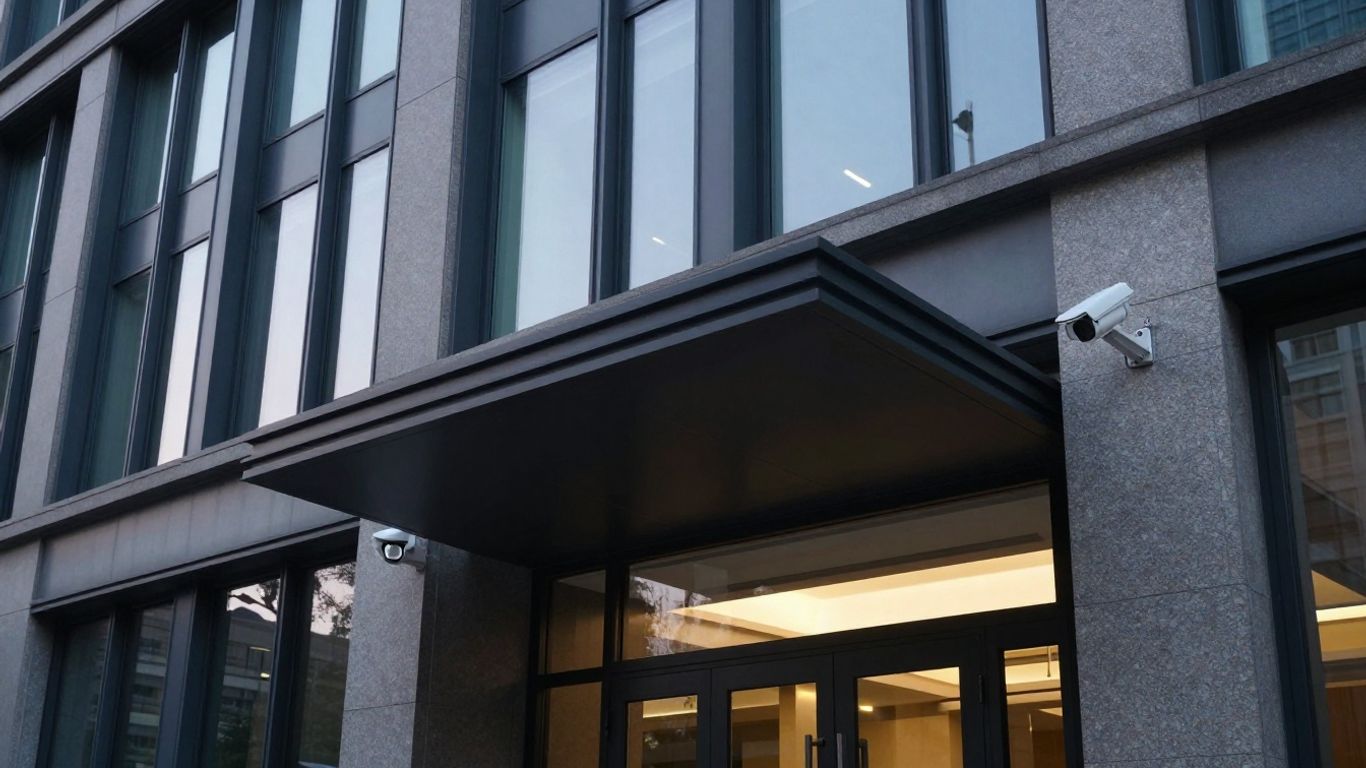
When it comes to keeping your business safe, not all fire alarm monitoring systems are created equal. Understanding the different ways signals get from your building to the people who can help is pretty important. It's not just about having a system; it's about how that system talks to the outside world when seconds count.
This is generally considered the top-tier option for commercial fire protection. Think of a dedicated, highly secure facility that's staffed 24/7 by trained professionals. When your fire alarm goes off, the signal goes straight to this central station. These places are usually UL-listed, meaning they meet really strict standards for reliability, backup power, and operator training. They don't just get the signal; they verify it and then immediately dispatch emergency services. It's a robust system designed for maximum dependability.
Central-station monitoring is the industry standard for a reason. It offers a level of reliability and immediate action that other systems can't always match, making it a solid choice for businesses where safety is paramount.
This type of monitoring uses cloud-based platforms or third-party services to handle your alarm signals. It's still effective, but it might introduce a slight delay compared to a central station. The biggest factor here is a stable internet connection; if that goes down, your monitoring could be affected. While it can work for smaller operations or temporary setups, it might not always meet the same strict regulatory requirements as central-station models. However, if you go with a provider that has good backup plans and verification steps, it can still offer quick responses.
These describe the communication methods your fire alarm system uses to send signals.
So, you're looking for a commercial monitoring service. It's not just about picking the first name you see, right? There are some real things to check out to make sure you're getting what you actually need. Think of it like hiring someone for a really important job – you want to know they're qualified and reliable.
First off, certifications. This is a big one. You want to see that the company is certified by places like UL (Underwriters Laboratories). This means they meet some pretty strict standards for their equipment, how they train their people, and what they do if something goes wrong. It's basically a stamp of approval that says they're playing by the rules. Also, make sure they're up-to-date with all the relevant codes, like NFPA 72. It shows they know what they're doing and aren't cutting corners.
Don't just take their word for it. Ask to see the actual certification documents. It's your business's safety on the line, after all.
Not all buildings are the same, and neither are their fire safety needs. A monitoring company that understands your specific industry or building type is going to be way more helpful. For example, a hospital has different risks than a warehouse or a retail store. Look for a provider that has experience with businesses like yours. They'll likely know the regulations you have to follow and the common problems you might face.
When an alarm goes off, every second counts. You need a provider that can get the signal to the right people fast. But it's not just about speed; it's about accuracy too. The monitoring center needs to be able to quickly figure out if it's a real emergency or a false alarm. This verification step is super important. A good provider will acknowledge alarms within seconds and have trained operators who can quickly assess the situation and relay accurate information to emergency responders. This can make the difference between a minor incident and a major disaster.
Here’s a general idea of what to expect:
The goal is a rapid, accurate response, not just a fast one.
Okay, so you've looked at the tech and the response times, but what about the nitty-gritty details of the contract and how they'll actually help you day-to-day? This is where things can get a little tricky, so it's smart to pay close attention. You don't want to get stuck with a contract that doesn't fit or support that's hard to get when you really need it.
First off, let's talk money. You need to know exactly what you're paying for. Are there hidden fees for things like signal transmissions, or maybe for after-hours calls? A good provider will lay it all out clearly. This means no surprises when the bill comes. Also, think about flexibility. Businesses change, right? Your needs might grow or shift. A contract that's too rigid can become a real headache. Look for options that let you scale up or down without a massive penalty. It’s about finding a partner that grows with you, not one that ties you down.
Here’s a quick look at what to ask about pricing:
This is where the provider spells out what they promise. A Service Level Agreement, or SLA, is basically a contract that defines the level of service you can expect. This is the part that really matters for reliability. What are their guaranteed uptime percentages? How quickly will they respond if something goes wrong with their system? What’s their plan for handling false alarms – do they have a verification process before contacting emergency services? You want to see clear commitments, not just vague promises. Getting these guarantees in writing is super important. It sets expectations and gives you something to fall back on if things don't go as planned.
Think about how you like to get help. Some companies assign you a specific person, an account manager, who knows your business and your system. This can be really helpful because they understand your setup and can answer your questions more quickly. Other companies route all support calls through a general queue. This might mean you talk to a different person every time, and they might not be as familiar with your specific situation. For complex systems or businesses with high-stakes needs, having that dedicated point of contact can make a big difference in how smoothly things run.
When you're evaluating a monitoring service, don't just look at the shiny tech. The contract details and the support structure are just as important, if not more so. They dictate how reliable the service is in practice and how easy it is to work with the provider over the long haul. A clear agreement and accessible support mean fewer headaches and better protection for your business.
It's also worth asking about their internal testing procedures. How often do they test their own systems? What kind of reports do they generate from these tests? Good documentation here is key, not just for your records but also for any inspections or insurance reviews you might face down the line. Some providers even offer online portals where you can see your system's history and reports, which is pretty neat for keeping tabs on everything.
Think of your fire alarm monitoring service not as a standalone piece of tech, but as a vital link in a much larger chain of safety measures. For your business to be truly protected, this monitoring needs to work hand-in-hand with all your other fire safety systems. It's about making sure everything talks to each other, so when something goes wrong, the response is quick and coordinated.
Your sprinkler system is a frontline defense, and its status needs to be part of the monitoring picture. A good monitoring service can keep tabs on your sprinkler system's water flow, pressure, and any potential issues like valve tampering or low pressure. This way, you're not just alerted when a fire starts, but also if your sprinkler system itself is compromised and unable to do its job. This constant oversight helps prevent small problems from becoming big disasters. It's about having eyes on every critical component, all the time.
When an emergency strikes, clear pathways and visibility are non-negotiable. Monitoring your emergency lighting and exit signs ensures they're always operational. If a light bulb burns out or a sign loses power, the monitoring service can flag it. This is especially important for businesses with large facilities or multiple floors. You don't want a power outage or system fault to leave your employees and visitors in the dark when they need to evacuate.
For businesses with unique risks, like server rooms or chemical storage areas, special hazard suppression systems are key. These systems might use clean agents or other specialized methods to put out fires without causing damage. Integrating their status with your central monitoring means that any activation, malfunction, or even low agent levels are immediately reported. This allows for a targeted and informed response, minimizing damage and downtime. It's about making sure these high-tech systems are ready when needed and that any issues are addressed before they become critical.
A truly effective fire protection strategy isn't just about having individual systems in place; it's about how they work together. When your monitoring service is integrated with your sprinklers, emergency lighting, and specialized suppression systems, you create a unified defense. This interconnectedness means faster alerts, better information for first responders, and a more resilient safety net for your entire operation. It’s about building a system where every part supports the others, creating a robust shield against fire threats. This kind of integrated approach is what helps keep properties safe across areas like Pennsylvania and New Jersey.
Here’s a quick look at what to check for:
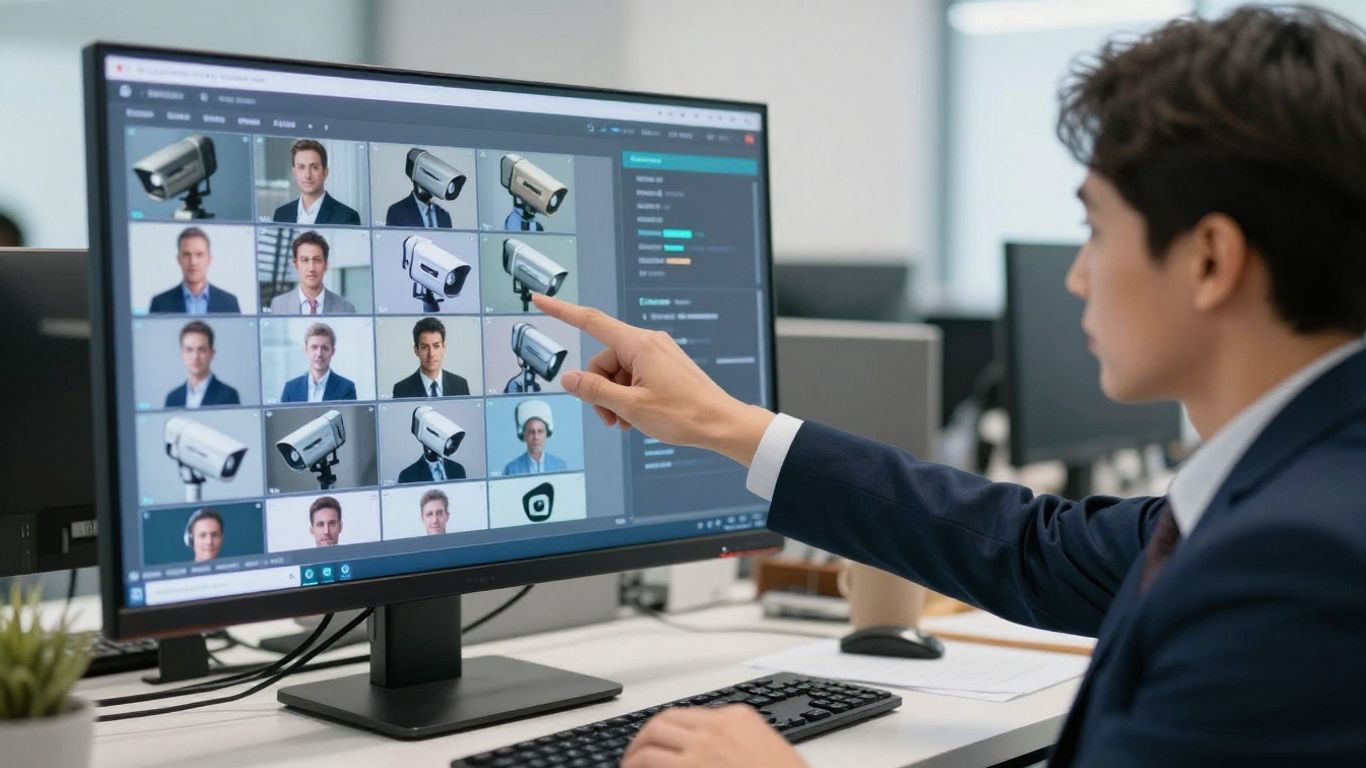
So, you've looked at all the options and figured out what you need. Now comes the part where you actually pick the company that's going to watch over your business's fire alarms. It's a big decision, and you don't want to just pick the first name you see. Think of it like choosing a doctor – you want someone you can trust, who knows what they're doing, and who's got your back.
First things first, check their credentials. Are they certified? Specifically, look for UL 827 certification for their central station operations. This is a big deal; it means they meet some pretty strict standards for how they operate, including things like backup power and staffing. Also, make sure they're up to speed with NFPA 72, which is the main rulebook for fire alarm systems. Don't be shy about asking how long they've been in the business, especially with commercial systems. A company that's been around the block a few times, and specifically works with businesses like yours, is usually a safer bet. They've seen more, dealt with more, and probably have better solutions.
How does the signal actually get from your building to the monitoring center? This is where things can get technical, but you need to get the basics. Ask about their communication methods – are they using cellular, IP (internet), or a mix (hybrid)? Hybrid systems are often the most reliable because if one method fails, they have a backup. It’s like having two phone lines just in case one goes down. You also want to know how fast they can react. When an alarm goes off, every second counts. Ask them to walk you through their process: from when they get the signal to when they notify the fire department. A quick demo or a clear explanation of their response chain can tell you a lot.
What happens if something goes wrong with the monitoring service itself, or if your fire alarm system needs a tune-up? You need to know who to call and what to expect. Some companies offer a package deal where they handle both monitoring and the regular maintenance and testing of your fire alarm system. This can simplify things a lot, meaning fewer vendors to juggle. Find out if they have dedicated account managers or if you'll just be talking to a general support line. For a business, having someone who knows your specific setup can make a huge difference when you have questions or issues.
Nobody likes surprises when it comes to bills. Make sure you get a clear breakdown of all costs involved. Are there setup fees? Monthly charges? What about charges for testing or if you need to make changes later? Also, think about the future. Will this monitoring service grow with your business? If you expand your building or add more equipment, can they easily adjust your service? Look for flexible contracts that don't lock you into something that won't work for you down the road. It’s about finding a partner that fits your budget now and can adapt as your needs change.
So, picking the right commercial monitoring service isn't just another business task; it's a pretty big deal for keeping your place safe and sound. We've gone over a lot, from what makes a good monitoring center tick to how different systems work. Remember to check those certifications, ask about response times, and make sure the company you choose actually fits your specific needs and budget. Don't just go with the first name you see. Take your time, compare your options, and you'll end up with a partner that gives you real peace of mind, knowing your business is protected 24/7.
Think of it like a 24/7 watchdog for your building's fire alarm. When a fire starts, the monitoring service gets the alert super fast and immediately calls the fire department. This quick action can save lives, protect your property from serious damage, and help your business avoid major losses. It also makes sure you're following important safety rules.
Central-station monitoring is like the main hub. It's a special, highly secure center with trained people watching alarms all day and night. They get the signal from your building and figure out the best way to respond. Other types might use different ways to send the signal, like over the internet or cell phones, but a central station is generally considered the most reliable and professional.
UL stands for Underwriters Laboratories. When a monitoring center is 'UL-listed,' it means they've met really strict safety and performance rules. They have backup power, good equipment, and trained staff. It's like a stamp of approval that shows they are a trustworthy and dependable service for keeping your business safe.
A good monitoring service should get your alarm signal within seconds. Then, it usually takes them about 2 to 5 minutes to confirm the alarm and call the fire department. The most important part is that they verify the alarm correctly so the right help gets sent quickly, saving precious time.
Yes, absolutely! The best monitoring services can connect to more than just your fire alarm. They can also keep an eye on your sprinkler system's water flow, check emergency lights, and even monitor special systems that put out fires in specific areas. This gives you a complete safety picture for your whole building.
When you're choosing a company, ask about their certifications (like UL-listed), how fast they respond, and if they have backup systems in case of power outages. Also, check if their pricing is clear and if their contract is flexible. It's smart to ask for references from businesses like yours to see what their experience has been.
Connect with us to explore our scalable solutions tailored to your unique needs and receive a personalized free quote.